Date: 01/20/2024 01/21/2024
Location: Star Lake Meditation Center
Teacher: Sara
Sitting Meditation
The Dialectic Between Meditation Form and the Reality of Insight
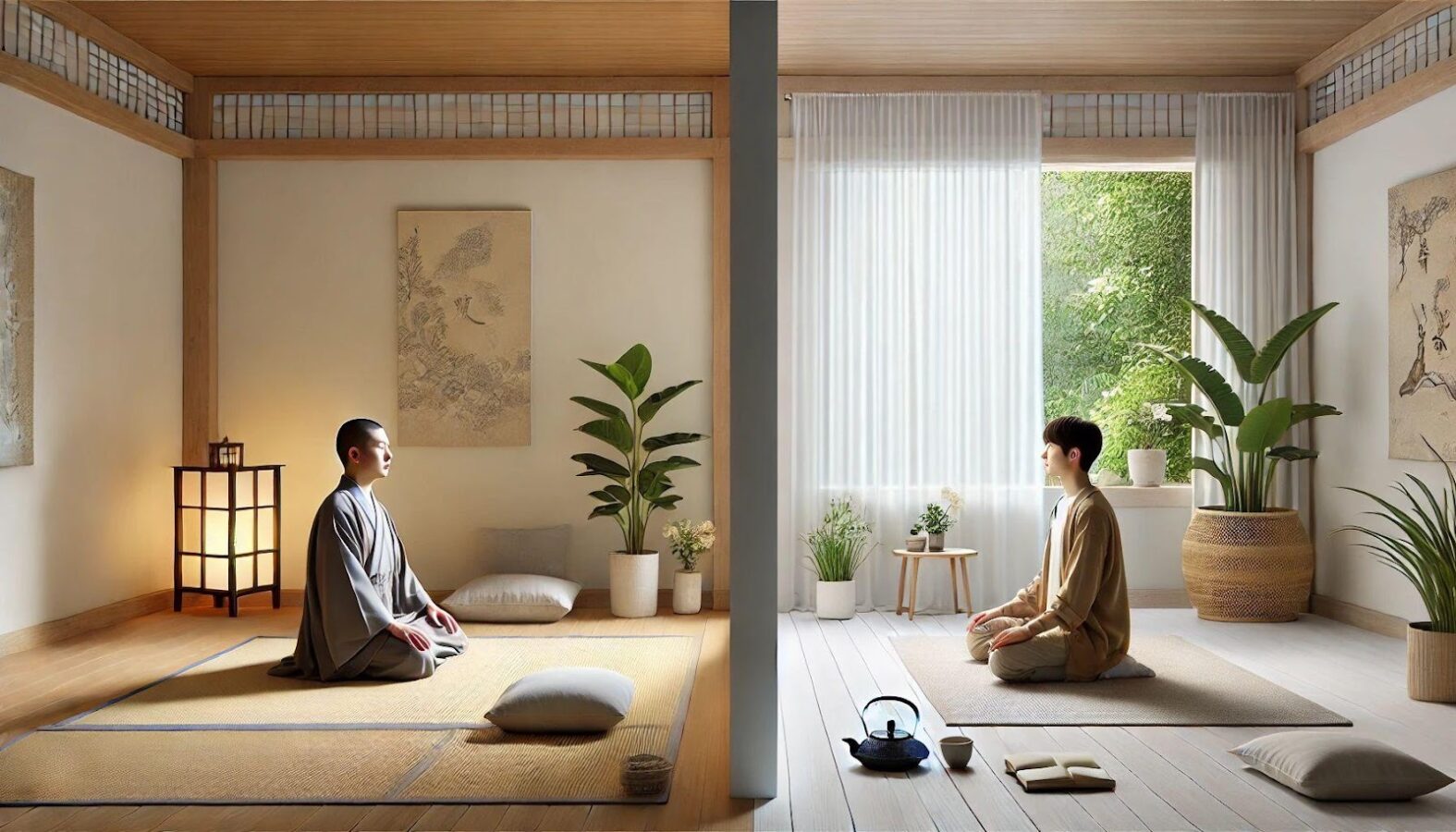
Meditation has form; insight has reality. Form is the method, while reality is the essence. Many practitioners become preoccupied with “whether the form is correct,” forgetting that the heart of practice lies in awareness itself. Understanding how outer structure and inner observation support each other is the key to moving from superficial practice into depth.
1. What Are Meditation Form and Insight Reality?
Meditation form refers to posture, breathing, and methods of settling; insight reality refers to seeing the true nature of body, mind, emotions, and thoughts through awareness. These two are not separate but interdependent: stability in form supports observation, and deeper observation naturally simplifies form.
2. The “Dialectical Relationship” Between Form and Insight
1.Form supports awareness: A stable posture reduces interference and sustains observation.
2.Awareness surpasses form: The deeper the observation, the less one depends on technique.
3.Form is not content: A correct posture does not guarantee present-moment awareness.
4.Awareness returns to the now: Regardless of form, insight always points to present reality.
5.Reality evaluates form: If a method creates tension, it strays from true insight.
3. Benefits of Integrating Form and Insight
1.Enhanced observation: Stability in posture sharpens perception of body and thoughts.
2.Deepened awareness: Observing breath, body, and emotions opens finer levels of insight.
3.Avoiding attachment to form: Not clinging to the “right way of sitting,” but returning to awareness.
4.Body–mind integration: Physical stability and mental clarity complement each other.
5.Returning to the essence: The real question is not “how to sit,” but “how to see.”
4. Ways to Integrate Meditation Form and Insight
1.Start with posture: Stability is the foundation for observation.
2.Use breath as the axis: Breath bridges outer form and inner reality.
3.Observe the body: Watch sensations, changes, and impermanence.
4.Observe thoughts: See thoughts arise and dissolve without following them.
5.Return to reality: All methods ultimately point to seeing things as they are.
5. Facts About Form and Insight
Is form important?
Yes, but only as support—not the purpose.
When should form be adjusted or abandoned?
Whenever it produces pain or tension, awareness comes first.
Can insight practice be done without sitting meditation?
Yes, but form increases stability and clarity.
Conclusion
Meditation form provides structure; insight reveals truth. Understanding their dialectic prevents practice from becoming trapped in technique or formality and brings it back to the living reality of body and mind. In this clarity, practice becomes deeper, steadier, and more penetrating.