时间:07/26/2025 07/27/2025
地点:星湖禅修中心
主讲:龙示林
打坐参禅
参禅与正念的区别
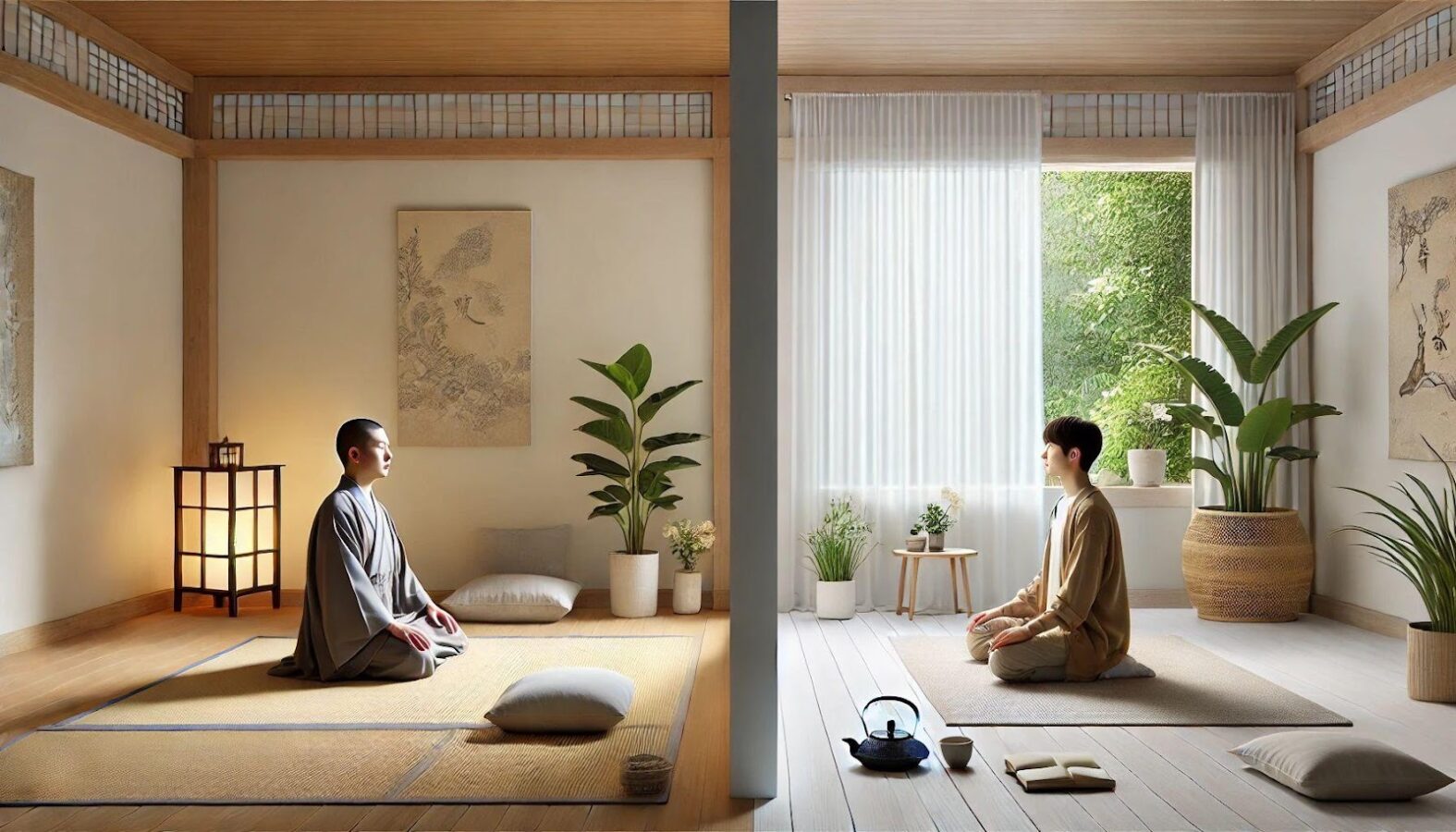
参禅与正念常被放在一起讨论,但它们的根本目的、方法、内涵与指向并不完全相同。正念偏向当下觉察与身心健康的训练;参禅则指向更深层的心性探索、智慧开启与解脱之道。理解两者的区别,能使修行更清晰,也能避免混淆。
一、参禅的核心意义:透过观照探索生命本质
1. 参禅的目标是见性与开悟
参禅不只为了放松,而是为了洞见“我是谁”的根本问题。
2. 参禅强调观照念头与心性
不仅觉察,还要深入观察念头本质、心的来源与去处。
3. 参禅指向智慧与解脱
其最终目的在超越烦恼、破除执着,走向觉醒。
二、正念的核心意义:培养当下觉察与身心平衡
1. 正念以“不评判的当下觉知”为基础
保持觉知呼吸、情绪、身体感受,不干预、不反应。
2. 正念的目标偏向心理健康
包括减少压力、提升情绪平衡、改善人际反应。
3. 正念强调实用性
适用于生活、工作、治疗等现代场景。
三、参禅与正念的主要区别:方向与深度不同
1. 目标不同:解脱 vs. 觉察
参禅追求认识心性与解脱;正念追求稳定与清醒。
2. 方法不同:观照 vs. 觉知
参禅更深入观察“心的本质”;正念保持对当下的开放觉察。
3. 深度不同:根本转化 vs. 情绪管理
参禅直指心源;正念帮助改善生活品质。
四、参禅如何运作:向内探究念头之源
1. 观察念头生灭
不是只看见,而是探究“念头从何而来?”
2. 观察“能觉知的心”
参禅关注觉知本身,而非对象。
3. 离相而觉
不执着任何经验,从经验中看到心的清净本性。
五、正念如何运作:安住于当下的身心经验
1. 觉知呼吸
最常见也是最稳定的练习方式。
2. 觉察身体感受
培养与身体连接的能力。
3. 觉察情绪、念头但不追随
正念的重点是“看见”,而非“分析”。
六、参禅与正念的共同点:两者都培养觉察力
1. 都帮助心从散乱回到清明
觉察越稳定,心越安定。
2. 都能减少情绪波动
以不同方式达到心的平衡。
3. 都需要持续练习
觉察与智慧都不能靠一次性努力完成。
七、为何两者常被混淆:外形相似、本质不同
1. 都包含呼吸与觉知的练习
从外表看非常接近。
2. 都能带来放松与平衡
让人误以为目的相同。
3. 但参禅包含更深层的智慧训练
其核心不止于觉知,而在于领悟心性。
总结
正念让人安住当下、减少压力、提升觉察;
参禅则探索心的根本、追求智慧与解脱。
两者并无冲突,而是层次不同、方向不同、深度不同。
若能在正念基础上进一步参禅,则更能走向深层的心灵成长与觉醒。
Date: 07/26/2025 07/27/2025
Location: Star Lake Meditation Center
Teacher: Shilin Long
Sitting Meditation
The Difference Between Zen Meditation and Mindfulness
Zen meditation (Chan practice) and mindfulness are often discussed together, yet they differ in purpose, method, and depth. Mindfulness focuses on present-moment awareness and well-being, while Zen meditation aims at penetrating the nature of mind and attaining awakening. Understanding the distinction helps practitioners use each method effectively.
1. Essence of Zen Meditation: Investigating the Nature of Mind
1. Zen aims at awakening
Its goal is to answer the profound question: “Who am I?”
2. Zen emphasizes insight into thoughts and mind
Not just noticing, but examining the origin and nature of thoughts.
3. Zen points to liberation
Its purpose goes beyond calmness toward freedom from attachment.
2. Essence of Mindfulness: Present-Moment Awareness and Well-being
1. Mindfulness is non-judgmental awareness
Observing breath, body sensations, emotions, and thoughts without reaction.
2. Mindfulness supports psychological health
Reducing stress, improving emotional balance, enhancing resilience.
3. Mindfulness is practical and universal
It can be applied in daily life, therapy, and work.
3. Key Differences: Direction and Depth
1. Different goals
Zen seeks awakening; mindfulness seeks awareness and stability.
2. Different methods
Zen investigates the nature of the mind; mindfulness cultivates moment-to-moment clarity.
3. Different levels of transformation
Zen transforms the root of suffering; mindfulness improves well-being.
4. How Zen Operates: Turning Inward Toward the Mind Itself
1. Observing the arising and passing of thoughts
Looking into the source rather than just noticing.
2. Observing the knowing mind
Zen focuses on awareness itself, not merely its objects.
3. Dwelling without grasping
Seeing mind’s nature beyond forms and experiences.
5. How Mindfulness Operates: Stabilizing Awareness in the Present
1. Mindfulness of breathing
A fundamental and steady anchor.
2. Mindfulness of bodily sensations
Strengthening connection to the body.
3. Mindfulness of thoughts and emotions
Observation without analysis or pursuit.
6. Overlapping Qualities: Both Cultivate Awareness
1. Both lead to clarity
Reducing mental scattering and confusion.
2. Both stabilize emotions
Helping individuals respond rather than react.
3. Both require consistent practice
Awareness deepens with repetition.
7. Why They Are Often Confused
1. Both involve breathing and awareness
Externally they look very similar.
2. Both bring calmness and balance
Leading to the false impression that they share the same purpose.
3. Zen contains a deeper dimension
Aiming at insight into non-self, emptiness, and awakening.
Conclusion
Mindfulness cultivates presence, balance, and clarity;
Zen meditation explores the root of the mind and aims at awakening.
They are not contradictory but complementary:
Mindfulness builds the foundation, and Zen deepens the journey toward wisdom and liberation.