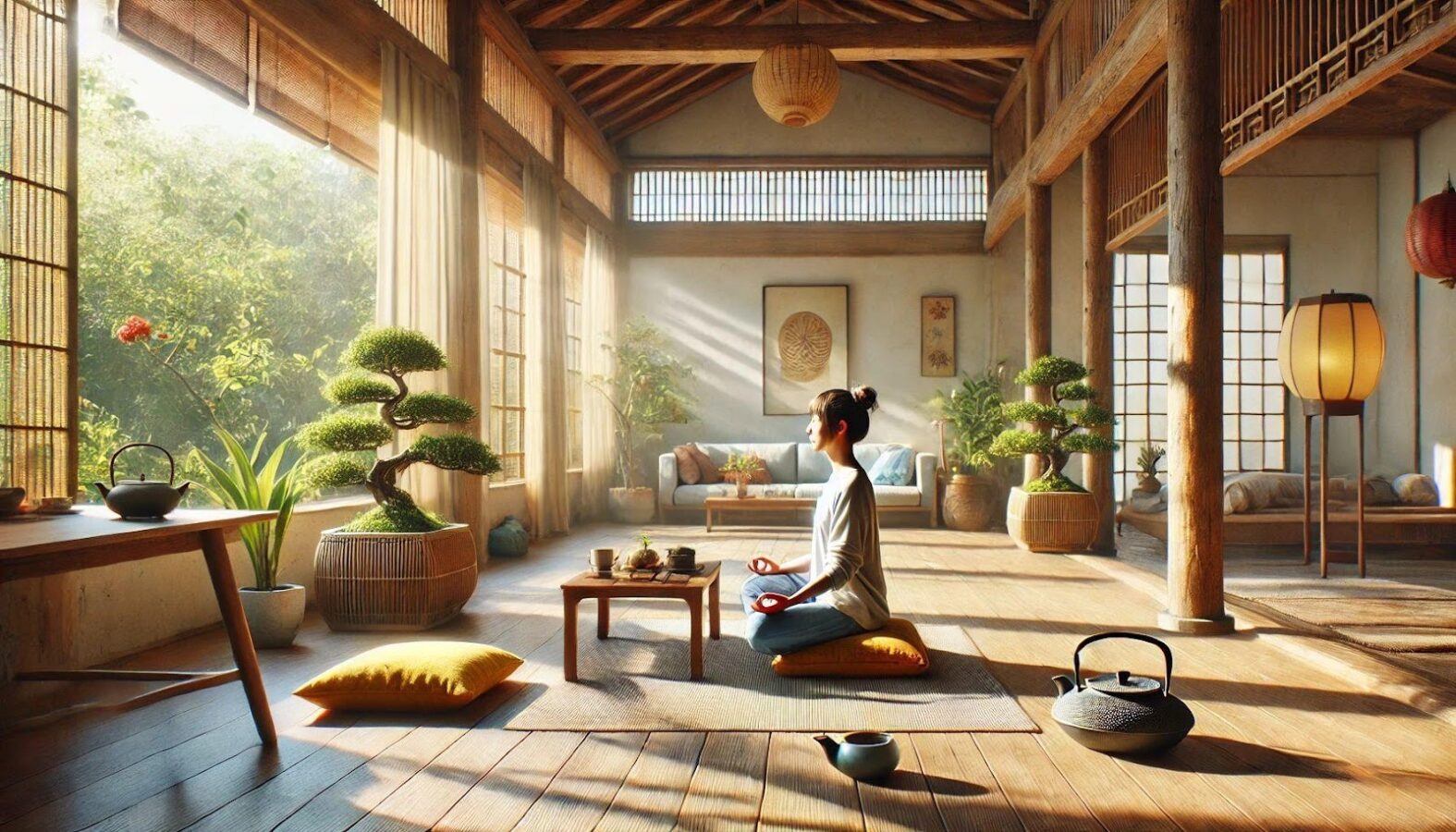
Date: 01/11/2025 01/12/2025
Location: Star Lake Meditation Center
Teacher: Shilin Long
Sitting Meditation
The True Meaning of Zen Meditation
Zen meditation is not an escape from reality; it is a direct way to observe the mind, realize one’s true nature, and obtain genuine clarity and freedom.
1. The Essence of Zen: Returning to the Present and Seeing the Mind Clearly
1.The heart of Zen is “insight”—seeing thoughts, emotions, and attachments as they are, without suppressing or rejecting them.
2.It is not a mystical technique but an experiential way of understanding the nature of mind.
3.Zen emphasizes that “mind is the foundation,” and meditation is a return to this foundation, observing how the mind creates both suffering and liberation.
2. The True Purpose: Awakening to the Reality of Life
1.Zen practice is not for supernatural powers or special experiences; it is for seeing things “as they truly are.”
2.Zen teaches “illumining the mind and seeing one’s nature”:
Illumining the mind: recognizing the mind’s real condition beyond illusions created by thoughts.
Seeing one’s nature: experiencing the innate stability, compassion, and freedom of life.
3.When the mind is no longer clouded by delusion, one perceives impermanence, suffering, and non-self with clarity.
3. Benefits of Zen: Liberation of Body and Mind, and Spiritual Maturity
1.Emotional clarity:
Zen helps one observe emotions arising and fading without being controlled by anger, fear, or worry.
2.Stress relief:
Returning to the breath and bodily sensations relaxes accumulated tension.
3.Growth of wisdom:
Meditation develops clearer judgment, a softer heart, and a wider perspective.
4.Natural compassion:
When the mind becomes pure, compassion flows naturally without effort.
4. Zen in Modern Life: A Powerful Remedy for Pressure and Anxiety
1.Amid information overload and social pressures, Zen provides a way to “return home” and rest the mind.
2.It helps people awaken from automatic reactions and resist being controlled by emotions or external stimuli.
3.In fast-paced environments, Zen restores focus, empathy, and inner resilience.
5. The Right Attitude: No Attachment, No Chase for Experiences
1.Zen teaches that “ordinary mind is the Way”; meditation does not require extraordinary states.
2.Attachment to experiences such as “I sat very well” or “I saw light” is discouraged; these are mental projections.
3.True meditation means not being dragged by thoughts and not fighting with them—simply letting everything be.
6. How to Begin Genuine Zen Practice
1.Start with the breath: feel the inhalation and exhalation, knowing “I am breathing.”
2.Stay fully aware: watch thoughts arise, stay momentarily, and disappear — without judging or suppressing.
3.Maintain a stable posture: natural and comfortable, neither rigid nor lax.
4.Integrate into daily life: walking, eating, working—every moment can be Zen practice.
Conclusion
The true meaning of Zen meditation lies not in form but in awakening.
It reveals clarity within confusion, freedom within attachment, and compassion within fear.
Zen is a return to the source of life, the most direct path to knowing one’s true self and cultivating steady joy.