Date: 02/22/2025 02/23/2025
Location: Star Lake Meditation Center
Teacher: Shilin Long
Sitting Meditation
Mudrās and the Connection to Consciousness
Mudrās are not just symbolic hand gestures; they are tools that guide awareness, regulate energy, and stabilize concentration. The connection between mudrās and consciousness reflects the deep interaction of body and mind.
1. Basic Principles: How Mudrās Guide the Direction of the Mind
1.Hand postures influence the nervous system
The hands contain dense nerve endings; different gestures stimulate different neural circuits, affecting awareness and emotional states.
2.Mudrās help stabilize breathing
While meditating, mudrās encourage deeper and more balanced breathing, supporting concentration.
3.Physical gestures feedback into mental states
Mudrās use “external posture” to influence “internal awareness,” demonstrating the body–mind connection.
2. Common Mudrās in Meditation: Each Gesture Supports a Different Mental State
1.Dhyāna Mudrā: Stability and centeredness
Hands rest in the lap, right hand over left, thumbs lightly touching. This mudrā deepens calmness and supports deep meditation.
2.Wisdom Mudrā (Jnana Mudrā): Awareness and clarity
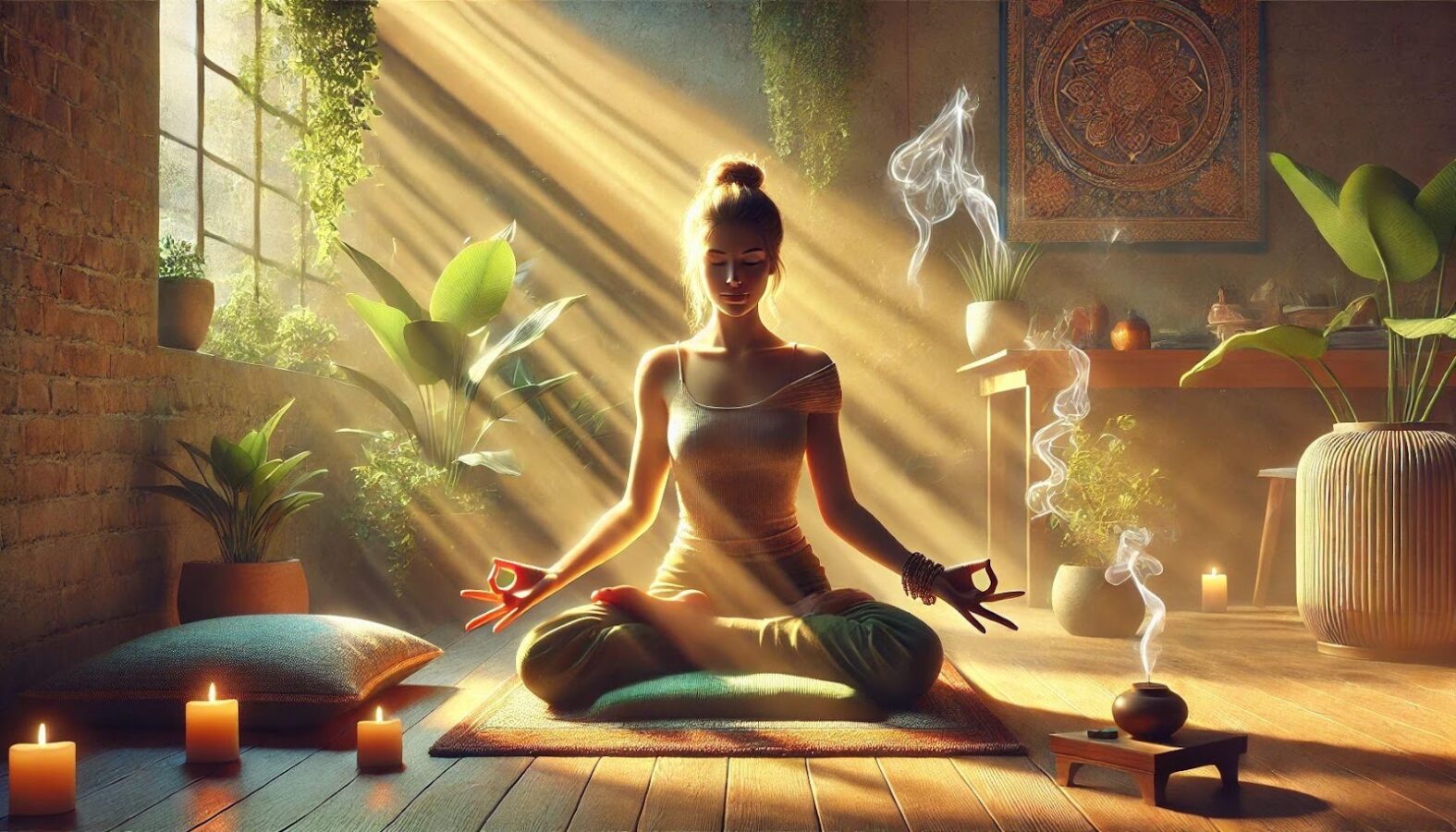
Thumb and index finger form a circle at chest level. This enhances focus and insight, ideal for breath or thought observation.
3.Fearlessness Mudrā (Abhaya): Strength and reassurance
Right hand raised, palm facing outward. It symbolizes protection and reduces fear or anxiety.
3. How Mudrās Influence Consciousness: From Body to Mind
1.Touch points form anchors for awareness
Thumb-to-thumb contact or palm connection creates a stable focus point that reduces distraction.
2.Gestures shift internal energy flow
Eastern traditions teach that mudrās redirect internal energy, helping the mind become clear and concentrated.
3.Mudrās provide symbolic structures for the mind
Each gesture embodies concepts such as wisdom, compassion, or stability, guiding the mind to the corresponding state.
4. Mudrās and Emotional Regulation: Tools for Emotional Balance
1.Certain mudrās reduce stress
Dhyāna Mudrā naturally calms the mind and releases tension.
2.Mudrās help reduce the impact of negative emotions
The Wisdom Mudrā improves clarity, helping practitioners avoid emotional overwhelm.
3.Mudrās enhance feelings of safety and stability
The Fearlessness Mudrā symbolizes strength, helping stabilize and reassure the mind.
5. Steps for Practicing Mudrās: Creating a True Connection Between Gesture and Mind
1.Adjust breathing before beginning
Calm breathing helps synchronize the body, mudrā, and mind.
2.Choose the mudrā that fits your current need
Select a gesture based on the state you wish to cultivate—no complexity required.
3.Let the mudrā flow naturally into meditation
Do not force the posture; let it support awareness organically.
Conclusion
Mudrās serve as an important bridge between body and consciousness.
Through simple gestures, the mind becomes more stable, clear, and perceptive.
Understanding how mudrās work deepens meditation and strengthens inner awareness.