时间:02/08/2025 02/09/2025
地点:星湖禅修中心
主讲:龙示林
佛法修行
五百弥猴敬塔生天因缘
释迦牟尼佛在罗阅祇国时,曾请须漫尊者带着世尊所剪下的头发及指甲,到罽宾国南方的一座山中建塔供奉。这座山里住着五百位罗汉,素来渴望能亲承佛陀教化,却苦无因缘。如今佛陀的发爪在此,犹如佛陀亲临,所以五百罗汉非常欢喜且珍惜,早晚均绕塔礼拜。
这座山中,有五百只猕猴群居。它们每天看到罗汉至心虔诚地礼拜佛塔,觉得非常新奇,于是也有样学样地到深涧边,取了泥块回到山上,仿造一座佛塔,并且像修行人一样早晚礼拜。
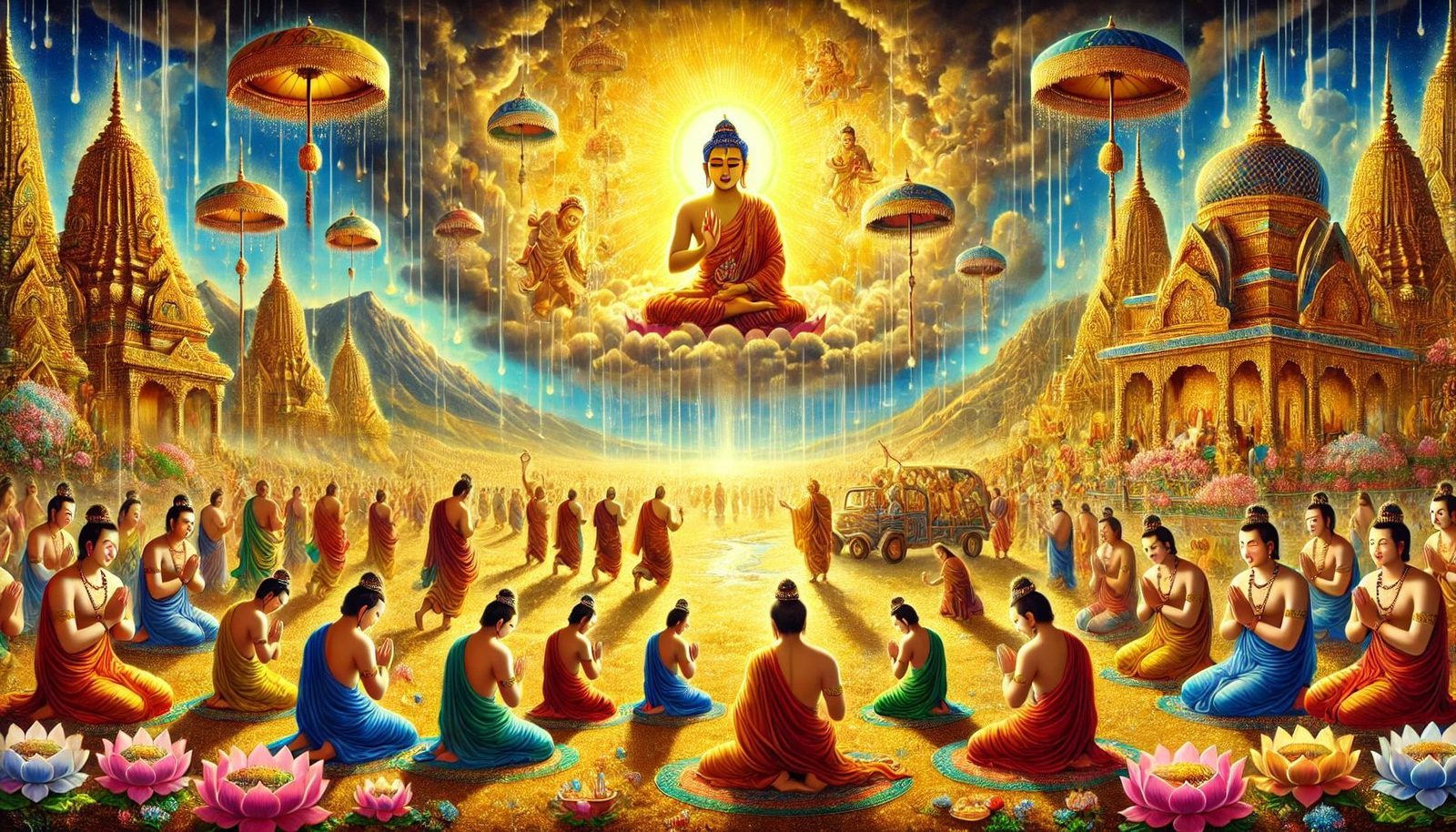
有一天,山上突然下起大雨,山洪暴发,五百猕猴一时躲避不及,全部被洪水所淹没。猕猴丧命后,即刻往生忉利天,不仅住在七宝宫殿,而且衣食受用无尽。这样的境遇,让他们深感疑惑,怎能有此福报投生天宫?用天眼一观,才知自己过去生为猕猴,因模仿罗汉造塔礼拜的因缘,虽被大水所溺毙,却也因此得生天上。五百天人回顾这段因缘,深生感恩之心,觉得应当报答故身。于是他们一齐下到人间,绕着猕猴尸身,烧香散花,绕行七匝。
其时,山中有五百位婆罗门,平时学习外道的邪知邪见,不信罪福因果。所以当他们看到天人在这里散花作乐,供养猕猴的尸体,觉得很纳闷,于是好奇地询问:「诸位天人,你们是何等尊贵,为何今日要降贵纡尊在这里供养猕猴的尸身呢?」
天人回答:「这些尸体是我们的前身。过去生我们身为猕猴,因模仿罗汉造塔礼拜,后来虽遭洪水淹没,却因造塔供养的福德,而能感生忉利天。因此,我们特地前来报答前身之恩。诸位婆罗门,佛陀圣德无边!即使是以懵懂之心供奉佛塔的我们,都能获得如此福报,更何况是以至诚恳切心供养世尊,所得福德必将更为殊胜。所以你们若不依循正法修行,即使辛辛苦苦修上百劫,也是白费功夫。不如现在就跟我们一起到耆阇崛山,去礼拜供养佛陀,必能获得无量福德与法益。」
五百婆罗门听完天人所述的经历,对于佛陀的威德生起无限景仰,于是便和天人一起去拜见世尊。五百天人禀告佛陀:「我们的前世是猕猴之身,因蒙世尊恩德,所以能够生天享福。但因未能亲见佛陀,深感遗憾,所以今日特来归命顶礼。」接着,天人又请示佛陀:「我等众人过去以何因缘生为猕猴?为何又会被洪水所溺毙呢?」
佛陀慈悲地开示:「一切现象皆是有因有果,不会凭空而生。大众一心谛听,我当说明此事的因果。在久远前,有五百位年轻的婆罗门一起入山寻师访道。当时有一位出家沙门,想在山上建造一间泥屋,精进用功,所以便来回下山至溪边取水。这位沙门修行得力,上下山谷身形轻快敏捷,五百婆罗门看了心生嫉妒,便一起讥笑:『看哪,这位沙门翻越山谷就像一只猕猴,有什么了不起。若再这样不停地取水,迟早会被山洪所淹没。』」
佛陀告诉诸位天人:「当时那位沙门就是我的前身,而那五百位年轻的婆罗门就是你们的前世。因为恶心讥讽他人,反而自己身受猕猴、溺水之报。此即所谓『戏笑为恶,已作身行,号泣受报,随行罪至』啊!」
说完偈子,世尊继续为大众开示:「诸位天人,你们的前世虽为畜生之身,却能起造塔寺,礼拜供养。这些行为虽是出自模仿,然而供奉塔寺即有无量的功德,所以也灭除了你们往劫所造的罪过,而能生天享福。如今,大众更进一步发心亲近正法,至诚地接受教导,有此因地,今后必当永离众苦。」
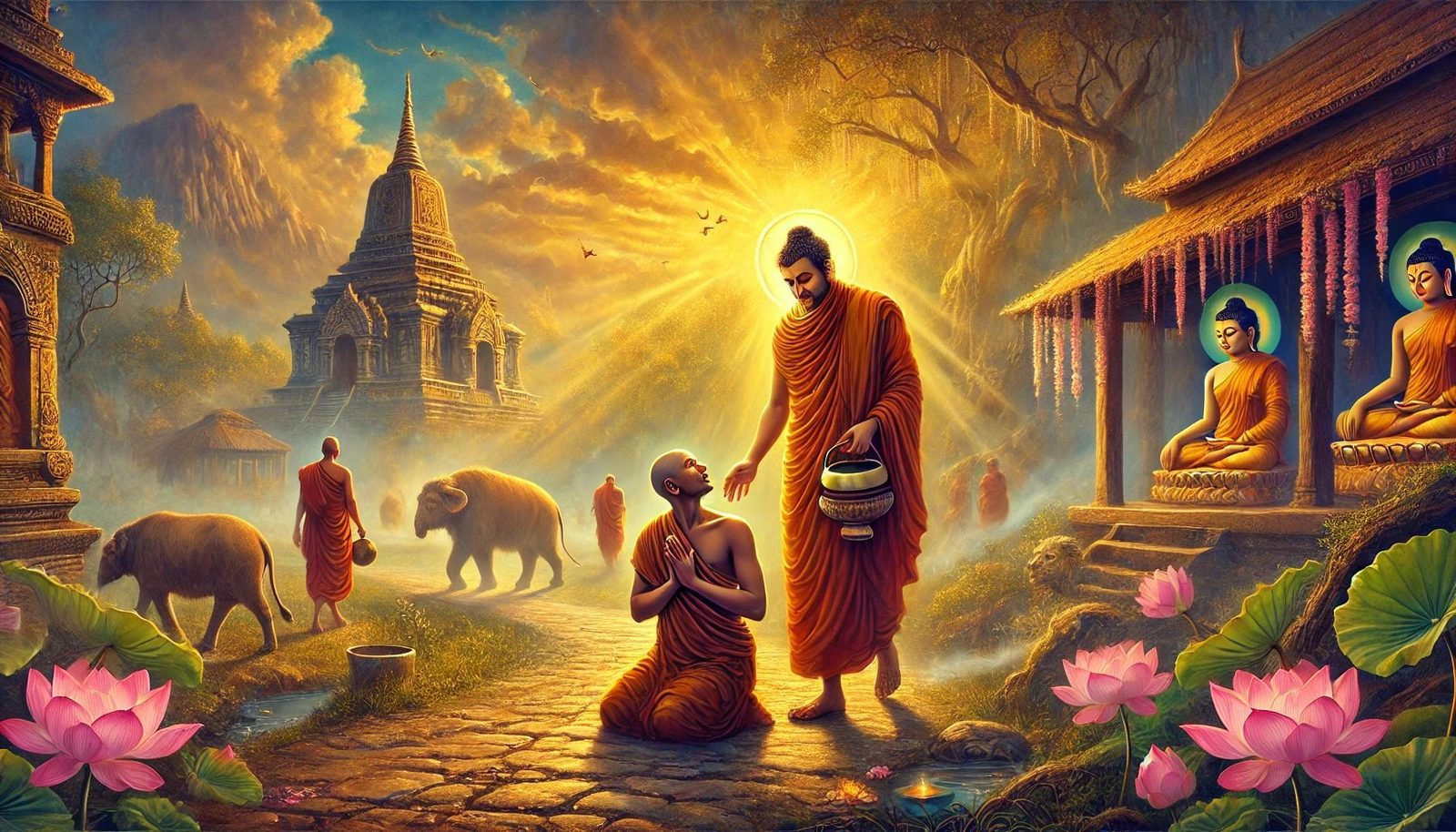
聆听完佛陀的开示,五百位天人即证道果。而一同前来礼拜世尊的五百婆罗门,也因听闻佛陀开示罪福因果的道理,不禁感叹:「我们学习仙道,为的就是要能生天为仙,没想到多年的辛苦却毫无收获,比不上这些猕猴供塔所得的福报。佛陀的圣德真是殊胜难测啊!」于是他们至心顶礼,匍伏佛足之前,请求佛陀收他们为弟子。世尊慈悲地唤了一声:「善来比丘!」这五百婆罗门即刻身现沙门相,从此跟随佛陀修行,精进不懈,不久即证阿罗汉果。
Date: 02/08/2025 02/09/2025
Location: Star Lake Meditation Center
Teacher: Shilin Long
Dharma Talk
The Five Hundred Monkeys Who Revered the Stupa and Were Reborn in Heaven
When Śākyamuni Buddha was residing in Rājagaha, he instructed Venerable Sumanā to take the strands of hair and nail clippings he had cut and build a stupa for enshrinement in a southern mountain of Kashmir. In that mountain, five hundred arhats lived.
They had long yearned to personally receive the Buddha’s teachings but had never had the opportunity. Now that the Buddha’s hair and nails were present, it felt as if the Buddha himself had arrived. Overjoyed, they deeply cherished this opportunity and circumambulated and worshipped the stupa every morning and evening.
In the same mountain, five hundred monkeys resided. Each day, they observed the arhats sincerely and devotedly worshipping the stupa, which intrigued them greatly. Imitating the arhats, the monkeys would go to the deep ravine, gather clumps of mud, and return to the mountain to construct a stupa of their own. Just like the monks, they performed prostrations and worshipped it every morning and evening.
One day, heavy rain suddenly poured down from the sky, and a flash flood erupted. The five hundred monkeys were caught off guard and drowned in the floodwaters. However, upon their deaths, they were immediately reborn in the Trāyastriṃśa Heaven (Heaven of the Thirty-Three). Not only did they now reside in palaces made of the seven precious materials, but they also enjoyed limitless clothing, food, and luxuries.
Bewildered by such unexpected fortune, they wondered how they had accumulated the merit to be reborn in heaven. Using their divine eyes, they looked into their past lives and realized that they had previously been monkeys. Because they had imitated the arhats in constructing and worshipping a stupa, though they had perished in the flood, their merit from building and venerating the stupa had led them to be reborn in heaven.
Deeply grateful for this cause and effect, the five hundred celestial beings felt they should repay their past bodies. Thus, they descended to the human world, circumambulated the remains of their former monkey bodies, burned incense, scattered flowers, and circumambulated them seven times.
At that time, five hundred Brahmins were living in the mountain. They had long adhered to heterodox teachings and did not believe in the law of karma and retribution. Seeing the celestial beings joyfully scattering flowers and making offerings to the corpses of monkeys, they were perplexed and curiously asked, “Honored celestial beings, you are of noble status. Why have you descended here to offer worship to these monkey corpses?”
The celestial beings replied, “These corpses are our former bodies. In our past lives, we were monkeys. Because we imitated the arhats in constructing and worshipping a stupa, though we perished in the flood, the merit of building a stupa and making offerings led us to be reborn in the Trāyastriṃśa Heaven. Therefore, we have come today to repay the kindness of our past selves.
O Brahmins, the holy virtues of the Buddha are boundless! Even though we worshipped the stupa with an ignorant mind, we still received such blessings. How much greater must be the merit of those who sincerely and wholeheartedly make offerings to the Blessed One?
If you do not follow the right path and cultivate accordingly, no matter how hard you practice for a hundred kalpas, it will all be in vain. It would be far better to join us now and journey to Gṛdhrakūṭa (Vulture Peak) to pay homage and make offerings to the Buddha. By doing so, you will attain immeasurable blessings and Dharma benefits.”
Hearing the celestial beings’ account of their past, the five hundred Brahmins developed profound admiration for the Buddha’s divine virtues. They agreed and traveled with the celestial beings to visit the Blessed One.
Upon arriving at the Buddha’s abode, the five hundred celestial beings paid homage and respectfully reported, “In our past lives, we were monkeys. Due to the benevolence of the Blessed One, we were reborn in the heavenly realms to enjoy bliss. However, we deeply regret never having had the chance to personally see the Buddha. Therefore, we have come today to take refuge and pay homage.”
The celestial beings then asked the Buddha, “What karma did we create in our past lives to be born as monkeys? And why did we perish in the flood?”
With great compassion, the Buddha expounded, “All phenomena arise from causes and conditions and do not come into being without reason. Listen attentively, and I shall explain the cause and effect behind this matter.
Long ago, five hundred young Brahmins entered the mountains in search of a teacher to guide them on the path. At that time, a renunciant monk was practicing diligently in the mountains. He intended to build a simple mud hut to aid his meditation, so he frequently went down to the stream to fetch water. His practice was strong, and his body was light and swift as he traversed the valleys.
Seeing this, the five hundred Brahmins grew envious and mocked him, saying, ‘Look! This monk leaps across the valleys like a monkey. What is so remarkable about that? If he keeps fetching water like this, sooner or later, he will be swept away by a flash flood.’”
The Buddha then addressed the celestial beings, “At that time, that renunciant monk was my past life. And those five hundred young Brahmins were all of you in your past lives. Because of your malicious words and ridicule, you were reborn as monkeys and ultimately drowned in the flood. This is the karmic law that states: ‘To mock with malice, to act upon such deeds, will bring sorrowful retribution, as consequences follow accordingly.’”
Having recited this verse, the Buddha continued his teaching:
”Celestial beings, though you were born as animals in your past lives, you were still able to build and venerate a stupa. Even though your actions were imitative, the merit of making offerings to a stupa is immeasurable. This merit purified the negative karma accumulated over past kalpas, allowing you to be reborn in the heavenly realms. Now, as you have further resolved to seek the true Dharma and sincerely accept the teachings, you have planted the causes for your ultimate liberation from all suffering.”
Upon hearing the Buddha’s teachings, all five hundred celestial beings immediately attained the fruit of the path.
As for the five hundred Brahmins who had come to pay homage to the Buddha, after hearing his discourse on karma and retribution, they sighed in deep realization, saying, “We have been practicing ascetic paths for years, hoping to ascend to the heavens, yet we have gained nothing. Meanwhile, these monkeys, simply by making offerings to a stupa, have received immense blessings. Truly, the Buddha’s virtues are profound and unfathomable!”
Filled with sincere reverence, they prostrated at the Buddha’s feet and pleaded, “Blessed One, please accept us as your disciples.”
Out of great compassion, the Buddha called out, “Come forth, Shanlai Bhikkhu!” Instantly, the five hundred Brahmins manifested the appearance of monks. From that day on, they followed the Buddha, practiced diligently, and soon attained the fruit of Arahantship.