时间:11/23/2024 11/24/2024
地点:星湖禅修中心
主讲:Otto Huang
佛法修行
淳陀所喜欢的清净修行法门──浮起来啊!石头
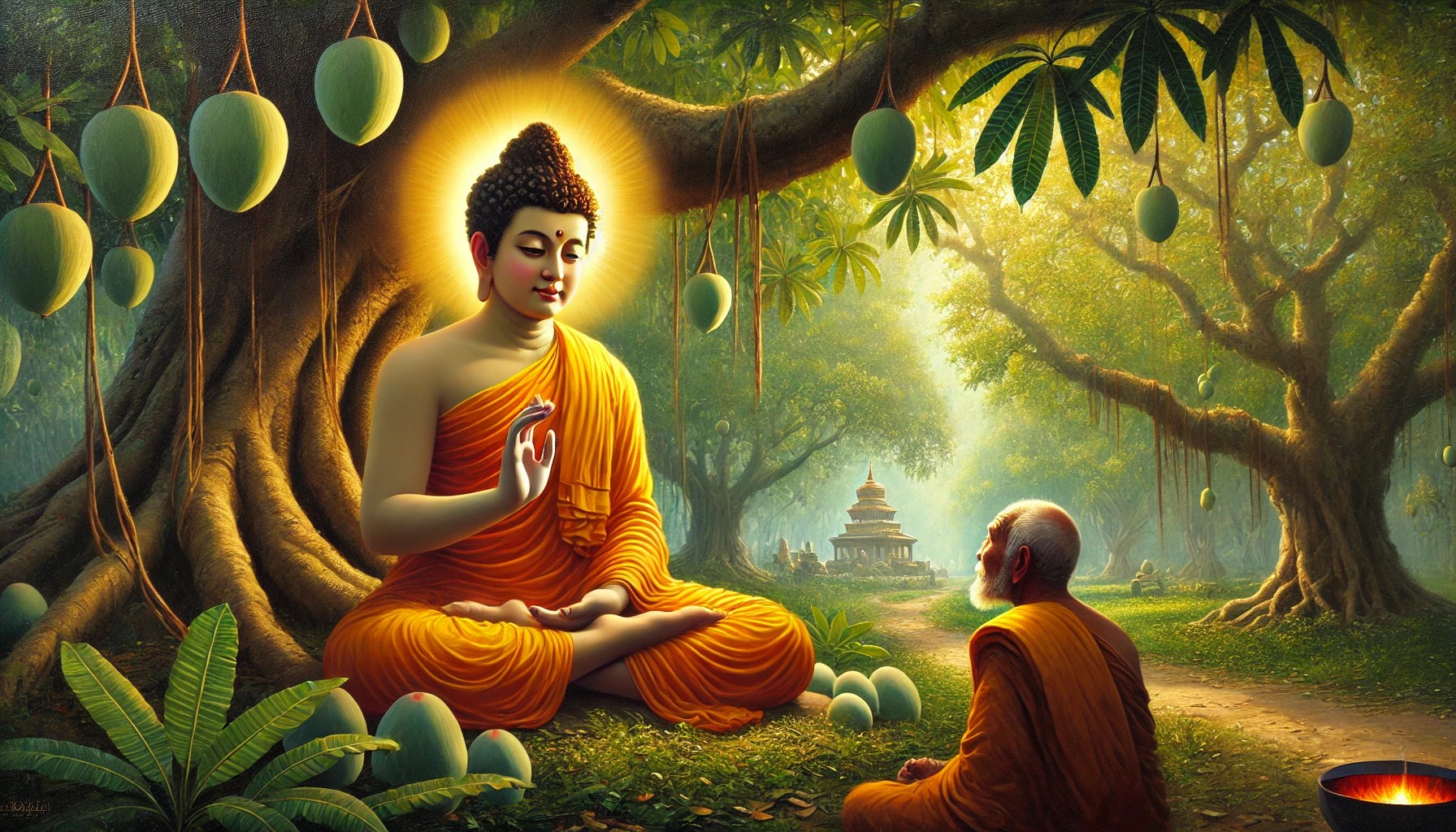
有一次,佛陀借住在波婆城一位铁匠淳陀的芒果园中。身为主人的淳陀,因而有机会来见佛陀。见了面,问讯礼敬后,佛陀就问了:
「淳陀!你喜欢哪一种修行人的清净修行法门?」
「大德!西方的婆罗门,手拿棒杖、水瓶,头戴花草编织的花环,祭祀供养火神,常洗手、净身,我就是喜欢这种修行人的清净修行法门。」
「淳陀!手拿棒杖、水瓶,头戴花草编织的花环,祭祀供养火神,常洗手、净身的西方婆罗门,如何修他们的清净行呢?」
「大德!西方的婆罗门是这样教导我们的:在每月十五日那天,以胡麻屑、庵摩罗屑泡水洗头,以为洗净斋戒。又教导我们身穿新净的长毛白毡,卧在涂有牛粪的地上,早上起床的第一件事,就是以手接触地面,同时口中念:『这地是清净的,我也像它一样清净。』
如果不能接触地面,就触摸湿牛粪,如果不能触摸湿牛粪,就触摸生草,同样口念:『这是清净的,我也像它一样清净。』如果不能触摸生草,就对火祭拜,如果不能对火祭拜,就向太阳合掌归顺,如果不能向太阳合掌归顺,就在日落时,洗三次澡。这样做,就可得到清净,反之,不这样做,永远不能清净。大德!这就是婆罗门的清净修行方法,也是我所喜欢、所宗奉信仰的修行法门。」
「淳陀!圣者的清净修行方法,不同于西方婆罗门的修法。」
「大德!圣者是怎么修的呢?请世尊告诉我吧。」
「好吧,淳陀!仔细听、注意听,我来为你说。
淳陀!有恶行为、恶报应,是不清净行、不清净果,让人背负着重担,向下沉沦。做了这些恶行为的人,不管一早起床有没有以手触地,有没有摸牛粪、生草,有没有念:『这是清净的,我也像它一样清净。』都不得清净。
哪些是让人不清净的恶行呢?那就是杀生、窃盗、性犯罪等三种身体行为,说谎、搬弄是非、尖酸讽刺、闲言乱语等四种语言行为,贪欲、瞋恚、邪见等三种起心动念,合为十恶行。有了这些恶行,就不得清净。
淳陀!有善行为、善报应,是清净行、清净果,让人一身轻盈,向上升华。做了这些善行为的人,不管一早起床有没有以手触地,有没有摸牛粪、生草,有没有念:『这是清净的,我也像它一样清净。』都是清净的。
哪些是使人清净的善行呢?那就是远离杀生、窃盗、性犯罪、说谎、搬弄是非、尖酸讽刺、闲言乱语、贪欲、瞋恚、邪见等的十善行。有了这些善行,就得清净。」
听了佛陀这样的教导,铁匠淳陀大为折服,就皈依了佛陀、佛法、僧团,并请求佛陀让他成为在家佛弟子。
Date: 11/23/2024 11/24/2024
Location: Star Lake Meditation Center
Teacher: Otto Huang
Dharma Talk
Cunda’s preferred path of pure practice – float up! Stone
Once, the Buddha stayed in the mango grove of Cunda, a blacksmith in the city of Pava. As the host, Cunda had the opportunity to meet the Buddha. After greeting him, the Buddha asked:
“Cunda, which kind of pure practice among ascetics do you favor?”
“Venerable Sir, I favor the pure practice of the western Brahmins. They carry staffs and water pots, wear flower garlands made from plants, worship the fire god, and frequently wash their hands and purify themselves.”
“Cunda, how do these western Brahmins practice their purity?”
“Venerable Sir, the western Brahmins teach us that on the fifteenth day of each month, we should wash our heads with sesame and amla water, considering it a purification ritual.
They instruct us to wear new, clean white woolen robes, lie on ground smeared with cow dung, and upon waking, touch the ground with our hands while reciting, ‘This ground is pure, and so am I.’ If we cannot touch the ground, we touch moist cow dung; if we cannot touch moist cow dung, we touch fresh grass, reciting, ‘This is pure, and so am I.’ If none of these are possible, we worship the fire; if worshipping fire is not possible, we fold our hands toward the sun; if folding our hands toward the sun is not possible, we bathe three times at sunset.
By doing this, one attains purity. If one does not follow this, one can never be pure. Venerable Sir, this is the path to purity taught by the Brahmins, and it is the practice I admire and believe in.”
“Cunda, the path to purity of the noble ones is different from that of the western Brahmins.”
“Venerable Sir, how do the noble ones practice purity? Please tell me, Blessed One.”
“Very well, Cunda, listen carefully, and I will explain.
“Cunda, impure actions and their results are the impure practices that burden a person and lead to downfall. Those who commit such impure actions do not attain purity, regardless of whether they touch the ground upon waking, handle cow dung or fresh grass, or recite, ‘This is pure, and so am I.’
“What are these impure actions? They are ten in total: three bodily actions—killing, stealing, and sexual misconduct; four verbal actions—lying, sowing discord, harsh speech, and idle talk; and three mental actions—greed, hatred, and wrong views. With these ten evil actions, one remains impure.
“Cunda, good actions and their results are the pure practices that lighten one’s burden and lead to upliftment. Those who perform such good actions attain purity, regardless of whether they touch the ground upon waking, handle cow dung or fresh grass, or recite, ‘This is pure, and so am I.’
“What are these pure actions? They are the ten wholesome actions: abstaining from killing, stealing, sexual misconduct, lying, sowing discord, harsh speech, idle talk, greed, hatred, and wrong views. With these ten wholesome actions, one attains purity.”
Hearing this teaching, the blacksmith Cunda was greatly inspired, and he took refuge in the Buddha, the Dharma, and the Sangha, requesting to become a lay follower of the Buddha.