时间:01/20/2024 01/21/2024
地点:星湖禅修中心
主讲:Lucy Zhou
佛法修行
佛陀如何面对谩骂
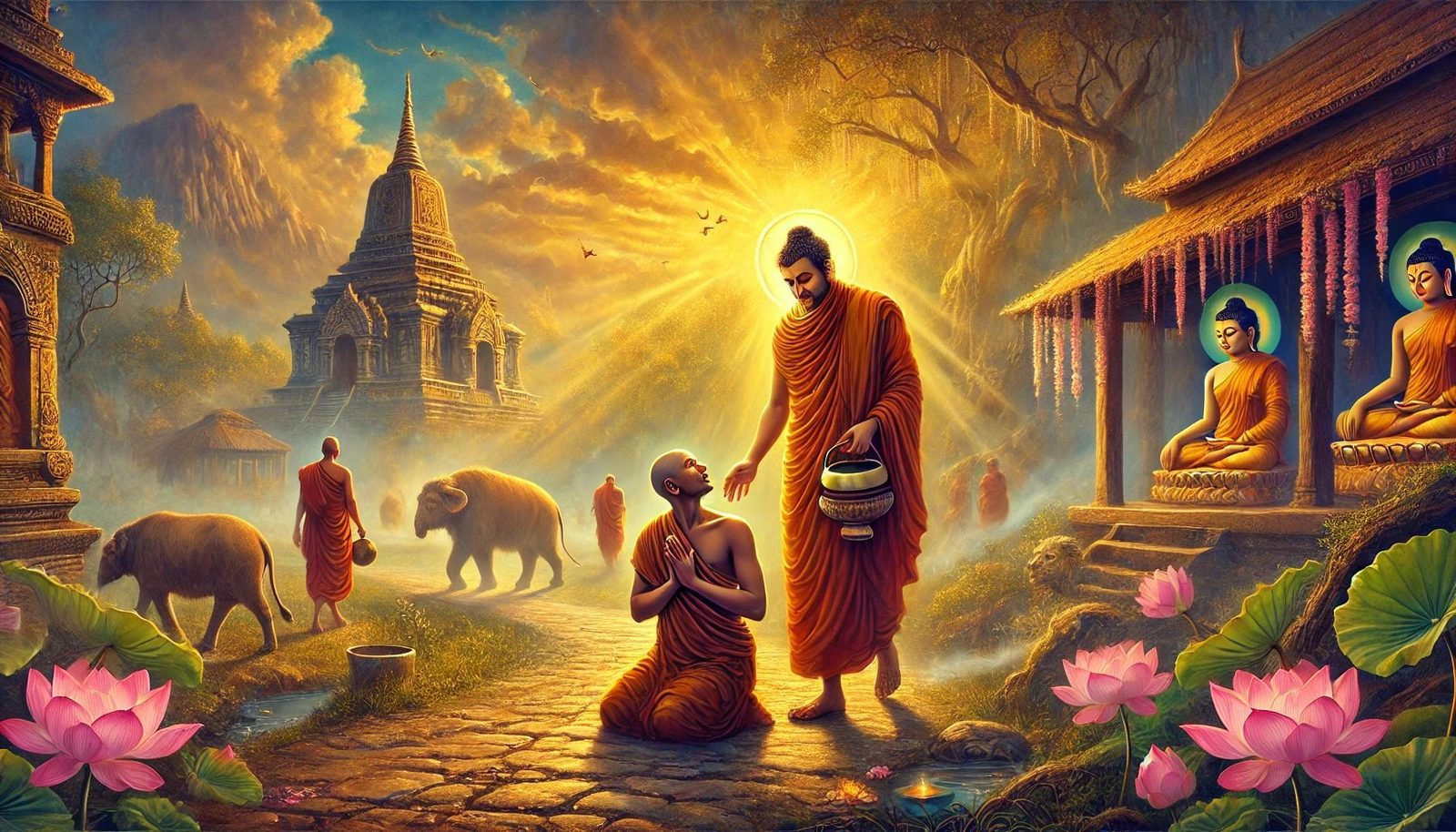
有一次,佛陀到憍萨罗国的首都舍卫城游化,住在城南郊外的祇树给孤独园。
这天,来了一位年轻的婆罗门,因为不满他的哥哥随佛陀出家,所以就当着佛陀的面,以激烈的言辞,十分气愤地谩骂佛陀。
佛陀静静地听完这位年轻婆罗门的谩骂发泄,然后才反问这位年轻的婆罗门说:
「婆罗门!你有没有亲朋好友来你家拜访的经验?」
「有啊,瞿昙!那又怎样?」
「婆罗门!你曾经准备餐饮,来招待那些到访的亲朋好友了吗?」
「有啊,瞿昙!」
「婆罗门!如果他们没吃你准备的餐饮,那你所准备的餐饮,最后会归谁?」
「瞿昙!如果他们没吃,那些饮食当然还是归我啦。」
「这就对了,婆罗门!你来我面前,对我粗言恶语,侮辱谩骂,我都没接受,那你刚才那些粗恶谩骂,最后又归谁了呢?」
「瞿昙!虽然你不接受,但我已经给你了。」
「婆罗门!没有我的接受,何来你的给予?」
「瞿昙!那你说说看,什么是接受?什么是给予?什么不是接受?什么不是给予?」
「婆罗门!如果你骂我,我反过头来回骂;你对我动怒,我也回过头来对你动怒;你打我,我也回打你;你斗我,我反斗回去,这就是有了接受,也完成了给予。反之,如果不以谩骂响应谩骂;动怒回应动怒;拳头回应拳头;争斗回应争斗;这就没有接受,也成立不了给予。」
「瞿昙!我听以前我们有德行的婆罗门长老说,如来、阿罗汉、等正觉在面对别人的怒骂侮辱时,是不会生气,也不会动怒的。而今,你生气动怒了吗?」
这时,佛陀回答说:
「瞋恚永断的人,还有什么事会让他起瞋心的呢?
你应当了解:
善于自我调伏而正当生活者,是不会有瞋心的,
更何况是全然依于正智、正慧而生活的解脱者!
以瞋怒来回应瞋怒,这是恶劣的人、恶劣的事;
不以瞋怒回应瞋怒的人,
才能赢得最难赢的战争。
因为他不但明白对方为何愤怒,
也能够让自己沉静而提起正念,
不但战胜他人,也战胜了自己,
让自他都获益,是双方的良医。
如果有人认为这样的人是傻瓜,
那不过是个不懂正法的无知者。
不瞋胜过瞋恚;善行胜过不善;
布施胜过悭贪;诚实胜过妄语。
圣贤者不会动瞋心,也不会有害人的念头,
但恶人执着于瞋恨,却像山那样难以松动。
瞋恚的心,像匹狂奔的马;
狂奔的马,要靠缰绳控制,
但那控制狂奔马儿的缰绳,
远比不上能控制内心的调伏力!
所以我说世界上最好的调御师,
不是那手持缰绳控制马儿的人。」
Date: 01/20/2024 01/21/2024
Location: Star Lake Meditation Center
Teacher: Lucy Zhou
Dharma talk
How the Buddha Faced Abuse and Insults
On one occasion, the Buddha was traveling in the Kingdom of Kosala and came to the capital city of Śrāvastī. He was staying at Jeta’s Grove in Anāthapiṇḍika’s Park, located to the south of the city.
That day, a young brahmin came before the Buddha. Because he was dissatisfied that his elder brother had gone forth and become a monk under the Buddha, he stood in front of the Buddha and, in great anger, hurled harsh and abusive words at him.
The Buddha listened quietly and attentively as the young brahmin vented his anger and finished his insults. Only then did the Buddha ask him in return:
“Brahmin, have you ever had relatives or friends come to visit your home?”
“Yes, Gotama. What of it?”
“Brahmin, have you ever prepared food and drink to entertain those relatives or friends who came to visit?”
“Yes, Gotama.”
“Brahmin, if they did not eat the food and drink you prepared, to whom would that food ultimately belong?”
“Gotama, if they did not eat it, then of course the food would still belong to me.”
“Exactly so, brahmin. You came before me and spoke harshly, insulting and abusing me, but I did not accept it. Then tell me—those coarse and abusive words you uttered just now, to whom do they ultimately belong?”
“Gotama, even if you did not accept them, I have already given them to you.”
“Brahmin, without my acceptance, how can there be your giving?”
“Gotama, then tell me—what is acceptance, and what is giving? What counts as acceptance, and what does not? What counts as giving, and what does not?”
“Brahmin, if you insult me and I turn around and insult you in return; if you become angry at me and I respond with anger; if you strike me and I strike you back; if you quarrel with me and I quarrel back—then there is acceptance, and giving is completed. But if insults are not met with insults, anger is not met with anger, fists are not met with fists, and conflict is not met with conflict—then there is no acceptance, and giving cannot be established.”
“Gotama, I have heard from virtuous elder brahmins of the past that a Tathāgata, an Arahant, a Perfectly Enlightened One, does not become angry or give rise to hatred when faced with abuse and insults from others. Now tell me—have you become angry? Have you given rise to hatred?”
At that moment, the Buddha replied:
“One who has utterly cut off anger—
what could still cause anger to arise in him?
You should understand this:
One who is skilled in self-restraint and lives rightly does not give rise to anger,
how much less one who lives wholly by right knowledge and right wisdom,
a liberated one!
To respond to anger with anger—
this is the way of inferior people and inferior deeds.
One who does not respond to anger with anger
wins the hardest battle to win.
For such a person understands why the other is angry,
and is able to remain calm and establish mindfulness.
He not only conquers others,
but also conquers himself.
Bringing benefit to both himself and the other,
he becomes a healer for both sides.
If someone thinks such a person is a fool,
that person is merely ignorant of the true Dharma.
Freedom from anger surpasses anger;
wholesome conduct surpasses unwholesome conduct;
generosity surpasses stinginess;
truthfulness surpasses false speech.
The noble ones do not give rise to anger
and harbor no thoughts of harming others,
but evil people cling to hatred,
as immovable as a mountain.
An angry mind is like a horse running wild.
A wild horse can be controlled by reins,
but the power that controls a wild horse with reins
is far inferior to the power of self-mastery
that controls one’s own mind.
Therefore, I say that the best trainer in the world
is not the one who holds the reins to control a horse.”