时间:12/23/2023 12/24/2023
地点:星湖禅修中心
主讲:Lucy Zhou
佛法修行
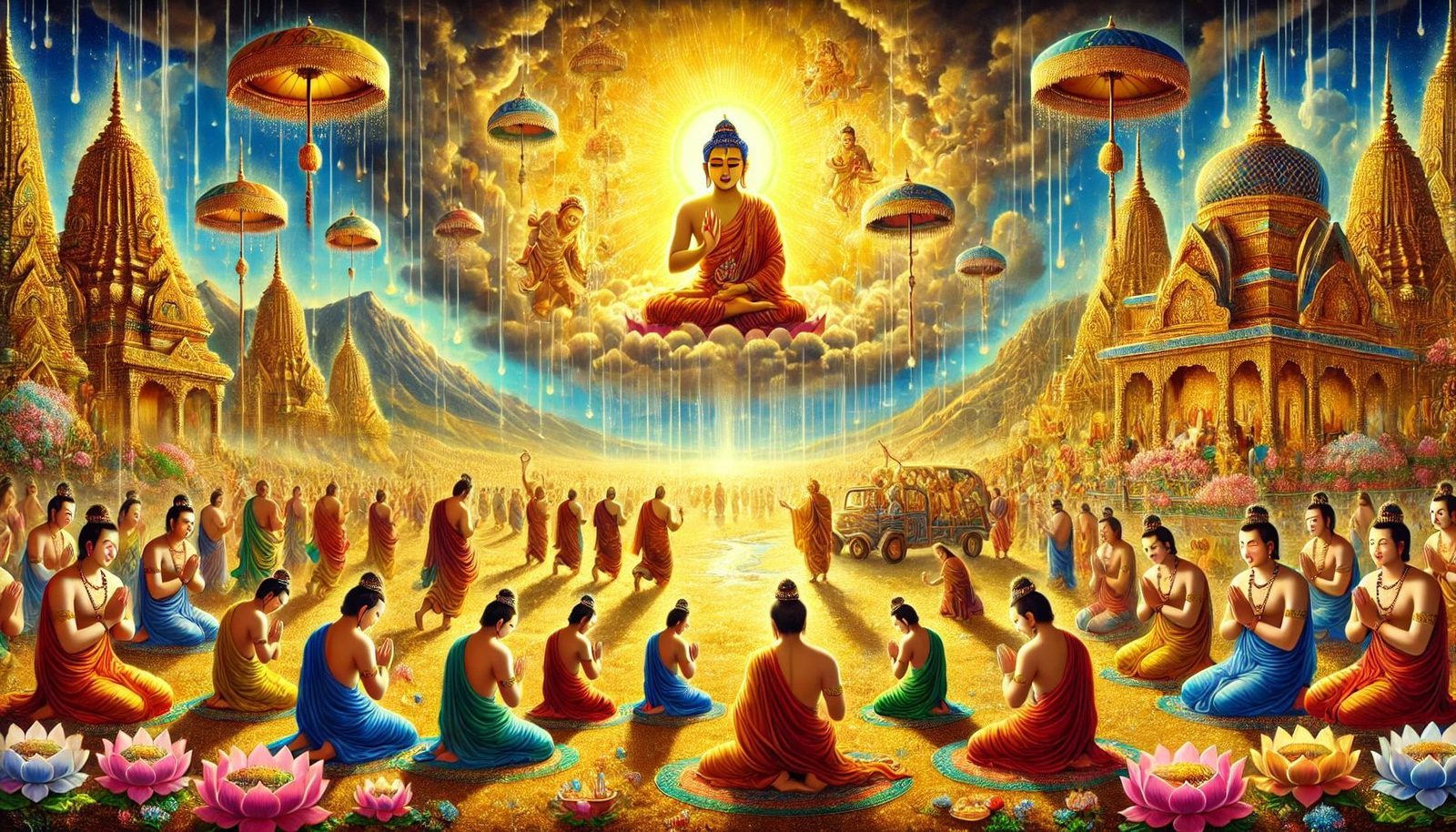
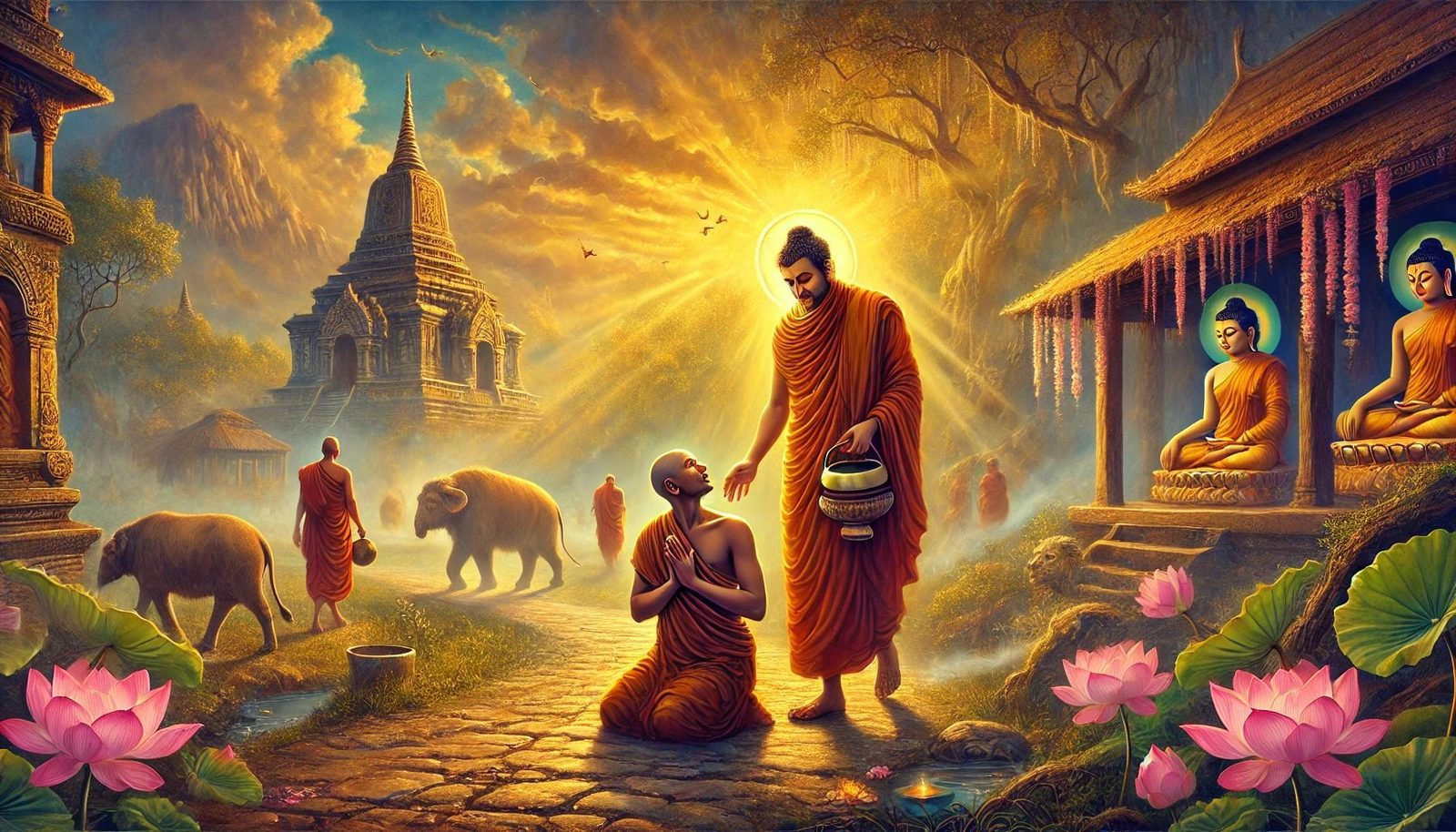
拒绝利用神通传教的佛陀
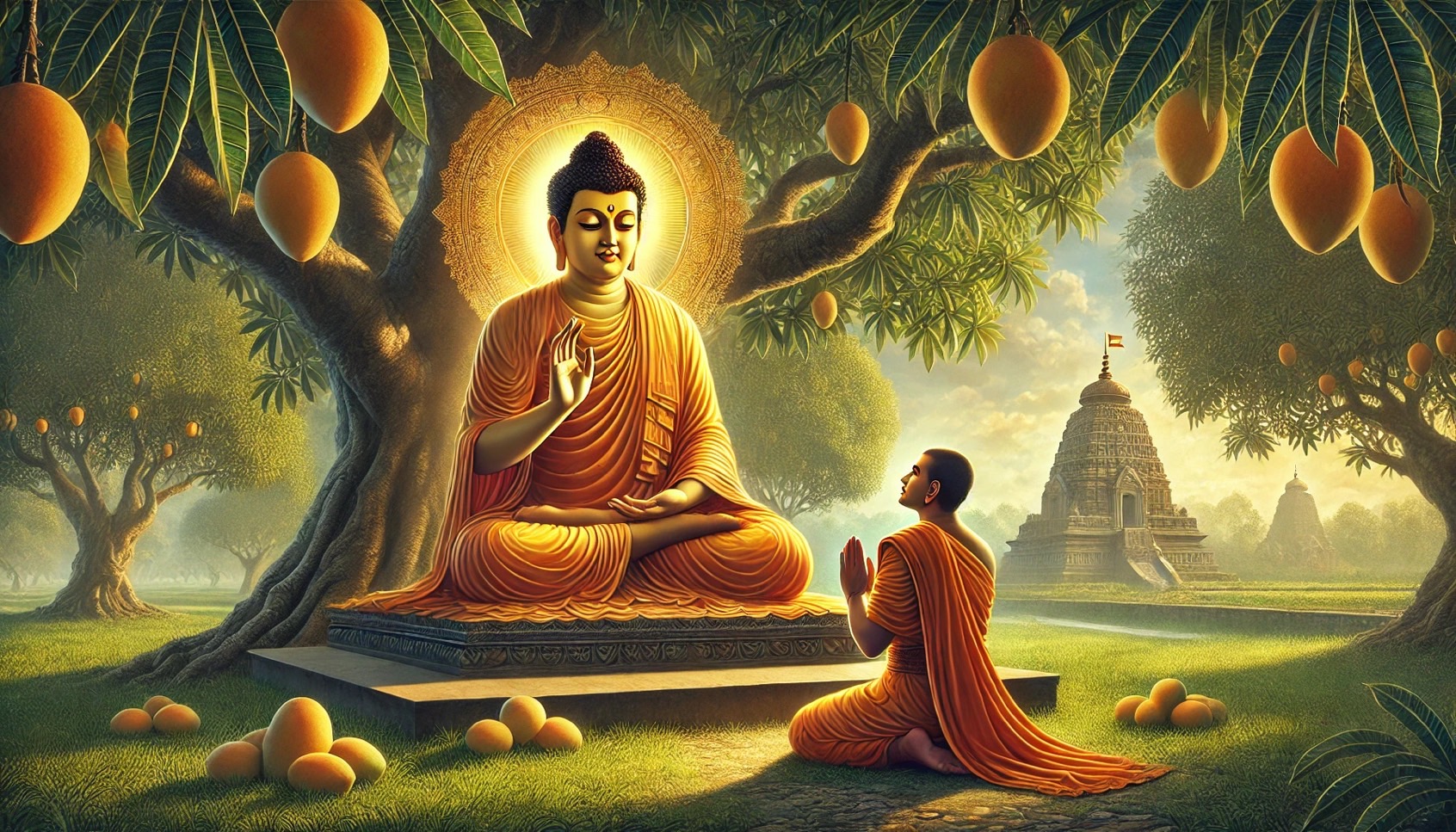
有一次,佛陀来到了摩揭陀国游化,住在那烂陀城郊的芒果园中。
这天,有一位名叫「坚固」的在家居士,来芒果园拜访佛陀。他向佛陀顶礼后,建议佛陀说:
「世尊!那烂陀是一个繁荣富裕的城市,人口众多,世尊如果能要一位比丘,在大众面前展现神通,那么,我们那烂陀城的人,一定会更加地敬信世尊。」
佛陀回答说:
「坚固!我从来不教比丘们对任何在家人展现神通,我只教导他们远离喧嚣,宁静地思惟正法,如果有所成就,自己知道就好,如果有了过失,则当自我举发,忏悔改过。」
然而,这位名叫坚固的在家居士,还是再三地请求佛陀要比丘们为民众展现神通,以争取更多人敬信佛陀,方便佛陀与佛弟子们在这人口众多的城市弘扬佛法,利益更多的人。
佛陀再三拒绝了,并且说明为何不愿意以神通来宣扬佛法的理由。佛陀说:
「坚固!我可以以三种自己的亲身体证来作教化:一是神足神通,二是他心神通,三是教诫神通。
什么是神足神通?神足神通就是能变化出许多化身,能隐身、穿墙、入地、水上行走、空中飞行、身出烟火、直达梵天等等的超常能力。
然而,如果有一位信仰正法,皈依三宝的人,告诉另一位不信的朋友说:
『太稀有神奇了!我见过比丘能现无量神足神通,他可以直达梵天,真是大神力、大威德啊!』
那位不信的朋友可能会这样回答:
『是啊!确实有一种这样的明咒,可以让人有神通力。那位比丘就是依着这样的明咒而现无量神通的。』
像这样,不但没有达到宣扬正法的目的,是不是反而成为一种诽谤呢!所以,依我的观察而深知展现神通变化的缺失,所以不喜欢、不重视,并且拒绝以这样的目的展现神通。
什么是他心神通?那是不必别人告知,就能知道他人心中在想什么的超常能力。
同样地,如果有一位信仰正法,皈依三宝的人,告诉另一位不信的朋友说:
『太稀有神奇了!我见过比丘能展现他心神通,知道别人心中在想什么,真是大神力、大威德啊!』
那位不信的朋友可能会这样回答:
『是啊!确实有一种这样的咒,可以让人有他心神通。那位比丘就是依着这样的咒,而知道别人心中在想什么的。』
这样,是不是没有达到目的,反而成为一种诽谤呢!所以,依我的观察而深知展现神通变化的缺失,因而不喜欢、不重视,并且拒绝以这样的目的展现神通。
以这样的缘故,我不教比丘们现神通变化,只教他们宁静地去思惟佛法;举发自己的过失,而不现自己的成就,这就是我比丘弟子们的神足神通与他心神通。
什么是教诫神通?例如对比丘作这样的教诫:
『你应该这样思惟,不要那样思惟;意念应该这样,不要那样;应该舍离这些,而到那边安住。』
像这样为他说法,内容纯正,义理清净,可以令人修行圆满。这样的教诫、说法,让在家长者、居士们听了以后,真正对佛法有正确的认识,才能引发他们对正法的信心,进而有意愿出家修学,成就三明解脱,这就是我比丘们的教诫神通。」
Date: 12/23/2023 12/24/2023
Location: Star Lake Meditation Center
Teacher: Lucy Zhou
Dharma talk
The Buddha’s Refusal to Use Supernormal Powers to Propagate the Teaching
Once, the Buddha was traveling in the Kingdom of Magadha and came to stay in a mango grove outside the city of Nāḷandā.
On that day, a lay disciple named Kevatta went to the mango grove to visit the Buddha. After paying homage to him, he made the following suggestion:
“Blessed One, Nāḷandā is a prosperous and wealthy city with a large population. If the Blessed One were to ask a bhikkhu to display supernormal powers in front of the public, then the people of Nāḷandā would surely develop even greater faith and reverence for the Blessed One.”
The Buddha replied:
“Kevatta, I have never taught the bhikkhus to display supernormal powers before laypeople. I only teach them to keep away from noise and distraction, to contemplate the true Dharma in quietude. If they attain something, it is enough that they know it themselves; if they have committed a fault, they should openly acknowledge it, repent, and correct themselves.”
However, the lay disciple Kevatta continued to request repeatedly that the Buddha allow the bhikkhus to display supernormal powers for the people, in order to win greater reverence and faith for the Buddha, and thereby make it easier for the Buddha and his disciples to spread the Dharma in this populous city and benefit more people.
The Buddha refused him again and again, and then explained the reasons why he was unwilling to use supernormal powers to propagate the Dharma. The Buddha said:
“Kevatta, I can teach by means of three kinds of personal realization: the supernormal power of miraculous feats, the supernormal power of knowing the minds of others, and the supernormal power of instruction and admonition.
What is the supernormal power of miraculous feats? It is the extraordinary ability to manifest many bodies, to become invisible, pass through walls, enter the earth, walk on water, fly through the air, emit smoke and fire from the body, and even reach the Brahmā world.
Yet suppose there is someone who has faith in the true Dharma and has taken refuge in the Three Jewels, and he tells an unbelieving friend:
‘How rare and marvelous it is! I have seen a bhikkhu display immeasurable miraculous powers—he can even reach the Brahmā world. Truly great is his power and majesty!’
That unbelieving friend might respond:
‘Yes, indeed. There is such a spell that can give people supernormal powers. That bhikkhu must be relying on such a spell to display those miraculous powers.’
In this way, not only is the purpose of promoting the true Dharma not achieved, but does it not instead become a form of slander? Therefore, based on my own observation, I clearly see the shortcomings of displaying miraculous powers. For this reason, I do not delight in them, do not value them, and refuse to display supernormal powers for such a purpose.
What is the supernormal power of knowing the minds of others? It is the extraordinary ability to know what others are thinking without being told.
Similarly, if someone who has faith in the true Dharma and has taken refuge in the Three Jewels were to say to an unbelieving friend:
‘How rare and marvelous it is! I have seen a bhikkhu display the power of knowing others’ minds—he knows exactly what people are thinking. Truly great is his power and majesty!’
That unbelieving friend might reply:
‘Yes, indeed. There is such a spell that enables one to know others’ minds. That bhikkhu must be relying on such a spell to know what people are thinking.’
In this way, does it not again fail to achieve its aim and instead become a form of slander? Therefore, based on my own observation, I clearly understand the shortcomings of displaying such supernormal abilities. Hence, I do not delight in them, do not value them, and refuse to display them for such a purpose.
For these reasons, I do not teach the bhikkhus to display supernormal powers. I only teach them to contemplate the Buddha’s teaching in tranquility, to acknowledge their own faults rather than display their attainments. This is the supernormal power of miraculous feats and the supernormal power of knowing others’ minds as practiced by my bhikkhu disciples.
What is the supernormal power of instruction and admonition? It is, for example, teaching the bhikkhus in this way:
‘You should contemplate in this manner; do not contemplate in that manner. Your intentions should be like this, not like that. You should abandon these things and abide in that state.’
By teaching the Dharma in this way, with content that is correct and meaning that is pure, one can lead others to complete cultivation. Such instruction and teaching enable lay elders and householders, upon hearing the Dharma, to gain a correct understanding of it. Only then can genuine faith in the true Dharma arise, leading them to aspire to renunciation, to practice and study, and to attain the liberation of the three knowledges. This is the supernormal power of instruction possessed by my bhikkhus.”