时间:02/01/2025 02/02/2025
地点:星湖禅修中心
主讲:龙示林
打坐参禅
如何准备一个适合打坐的环境
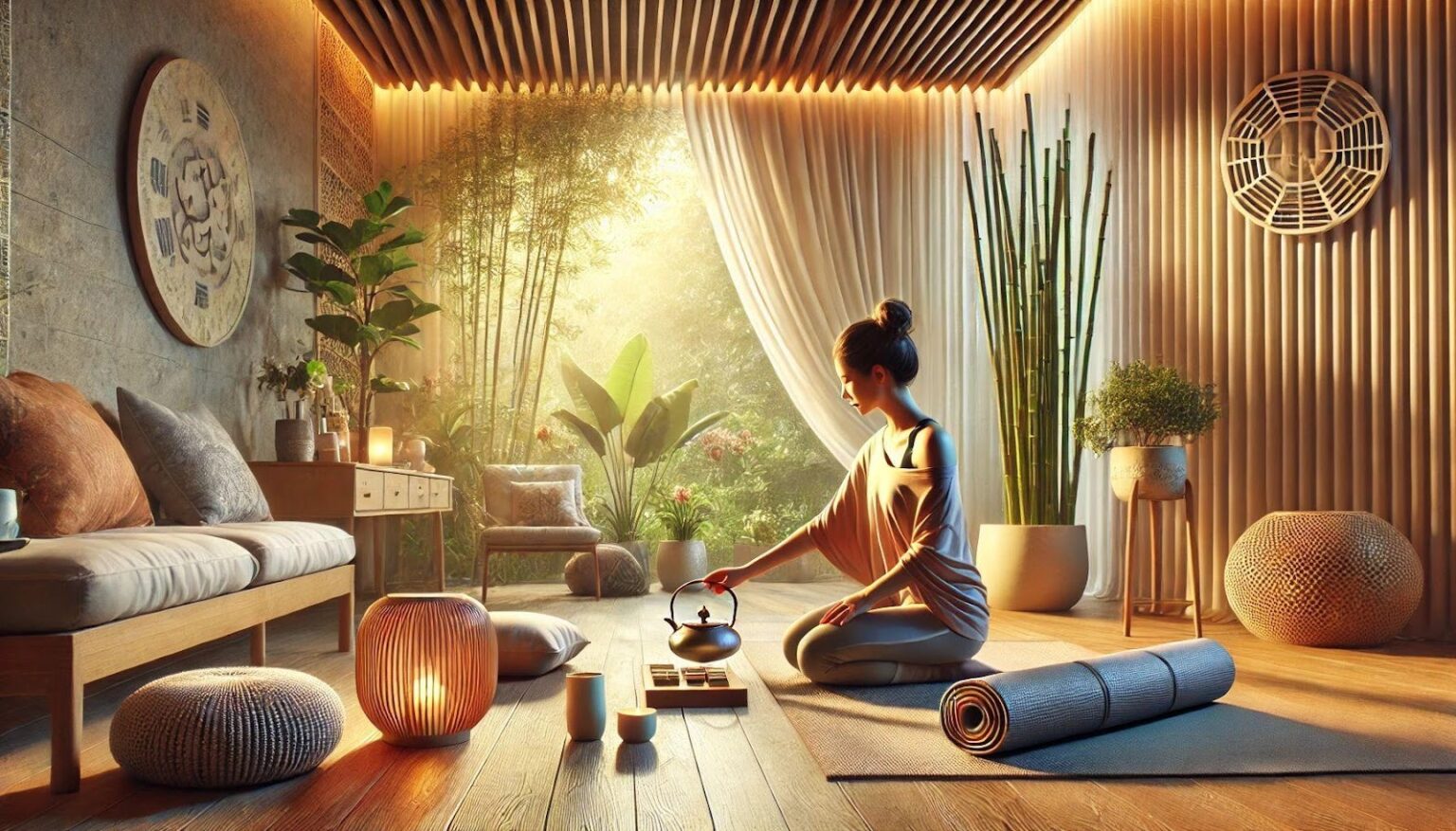
一个安稳、清净且能让身心放松的环境,是帮助初学者顺利进入禅修状态的重要基础。
一、选择合适的空间:让身心自然安定
1.换一个安静、不受干扰的地点
打坐场所应尽量避免噪音与来回走动,使心容易安住,不被外界牵动。
2.空间不必大,但必须稳定
即使只是一小块角落,只要固定、专用,心就更容易与其形成“禅修关联”。
3.保持空间整洁与简单
杂乱会让心浮躁,尽量保持环境清爽,让身心自然沉静。
二、营造适合打坐的氛围:让环境支持觉察
1.充足但柔和的光线
光线不宜过亮或太暗,柔和光源能让身心放松而不昏沉。
2.恰当的空气流通
保持空气清新,有助于呼吸顺畅,避免闷热或压迫感。
3.适合的温度
温度过冷或过热都会干扰禅修,保持舒适是重点。
三、选择适当的坐具:让姿势更稳定
1.打坐垫、蒲团或瑜伽垫
这些工具能帮助脊椎保持自然弯度,使坐姿稳定、持久。
2.椅子也是可行的选择
若双腿不适或柔软度不足,可以使用椅子,以保持背部直立为原则。
3.坐具高度适中
高度会影响脊椎、腿部压力,找到适合自己的高度最为关键。
四、调节环境中的细节:增强专注与放松
1.香氛与自然气味
淡淡的天然香氛可辅助放松,但不宜浓烈,以免分散注意力。
2.去除可能干扰注意力的因素
例如震动的手机、提示音、电器嗡鸣等,都应预先处理。
3.可摆放象征安定的物品
如小佛像、蜡烛、植物等,使心自然生起安稳感,但不宜太多。
五、习惯性准备:让进入打坐状态更加自然
1.打坐前进行简单的整理
如铺好垫子、整理衣物,让身心转换到禅修模式。
2.打坐前做短暂伸展
放松身体紧绷,降低僵硬感,提高久坐的舒适度。
3.每天在相同地点打坐
重复性会让身心自然联想到“安静”“觉察”,更容易进入状态。
总结
准备一个适合打坐的环境,不需要奢华,不需要特别装饰,只需安静、整洁、稳定、自然。
一个良好的环境能帮助身心快速安定,使禅修更深入,也让打坐成为生活中安稳的一部分。
Date: 02/01/2025 02/02/2025
Location: Star Lake Meditation Center
Teacher: Shilin Long
Sitting Meditation
How to Prepare an Ideal Environment for Meditation
A calm and stable environment helps beginners enter meditation more easily, allowing the mind to settle and the body to relax naturally.
1. Choosing the Right Space: Allowing the Body and Mind to Settle
1.Select a quiet place free from disturbance
A meditation space should be away from noise and foot traffic so the mind can rest without external interference.
2.The space doesn’t need to be large, but it must be stable
Even a small corner is suitable as long as it is consistent and reserved for meditation.
3.Keep the space clean and simple
A cluttered environment causes mental distraction; simplicity helps the mind calm down naturally.
2. Creating the Right Atmosphere: Letting the Environment Support Awareness
1.Soft and sufficient lighting
Lighting should be comfortable—not too bright or too dim—to support relaxed yet alert awareness.
2.Good air circulation
Fresh air promotes smooth breathing and prevents discomfort from heat or stuffiness.
3.Comfortable temperature
Extreme temperatures disrupt concentration; a moderate, pleasant temperature is ideal.
3. Choosing Suitable Seating: Supporting a Stable Posture
1.Meditation cushions or yoga mats
These tools help maintain natural spinal alignment and support long, steady sitting.
2. A chair is also acceptable
If sitting cross-legged is difficult, a chair can be used as long as the back remains upright.
3.Proper seat height
The seat should not be too high or too low, as this affects spinal comfort and leg pressure.
4. Adjusting Environmental Details: Enhancing Focus and Relaxation
1.Light natural scents
Mild, natural fragrances can enhance calmness, but strong scents may be distracting.
2.Eliminate potential distractions
Turn off notifications, silence devices, and reduce unnecessary noise sources.
3.Place meaningful, calming objects
A small Buddha statue, candle, or plant can create a sense of stability, but avoid clutter.
5. Establishing Habits: Making Meditation Easier to Enter
1.Prepare the space before sitting
Arranging the mat and adjusting clothing helps the mind transition into meditation mode.
2.Do gentle stretching beforehand
Stretching reduces bodily tension and increases comfort during longer meditation sessions.
3.Meditate in the same place daily
A consistent location conditions the mind to associate the space with calmness and awareness.
Conclusion
Preparing an ideal meditation environment doesn’t require luxury or elaborate decoration—only quietness, cleanliness, stability, and natural simplicity.
A supportive environment allows the body and mind to settle more easily, deepening meditation and integrating calmness into daily life.