时间:11/30/2024 12/01/2024
地点:星湖禅修中心
主讲:Otto Huang
佛法修行
意业为最重 ──优婆离外道居士的皈依
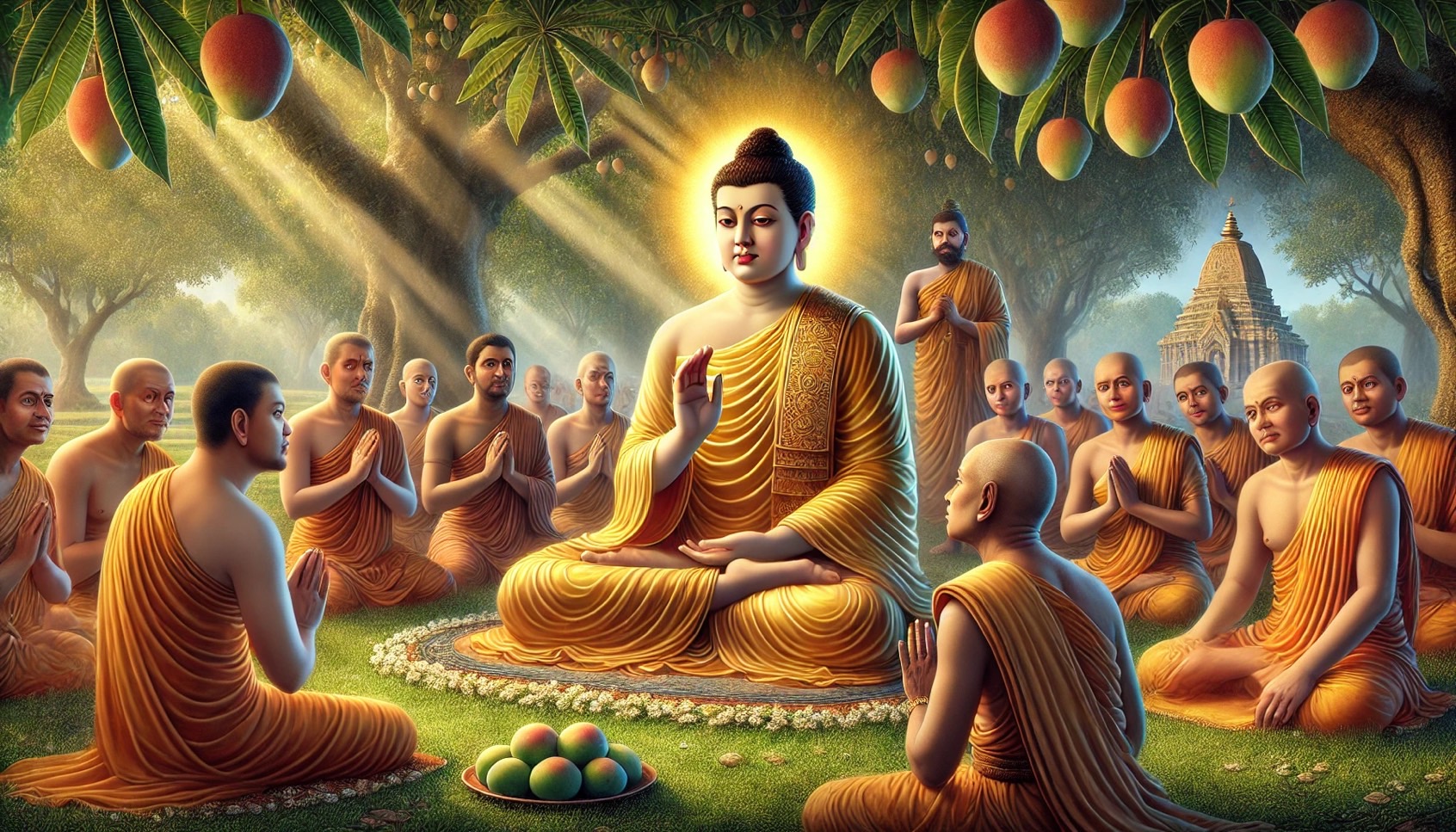
有一次,佛陀游化到摩揭陀国的那烂陀城,住在波婆离地方的芒果园内。
那时,耆那派的尼揵子,正好也率领他的门徒们住在那烂陀城。
尼揵子的大弟子中,有一位长人,因为长得很高,大家都叫他「长苦行」。
一天,这位长苦行外道,在那烂陀城乞食完毕后,转来拜访佛陀。佛陀问起他有关尼揵子对业的分类,长苦行外道回答说:
「瞿昙!我的尊师尼揵子不讲业,而是以身罚、口罚、意罚等三种分类来教我们的。这三种罚各不相同,其中以身罚为最重,意罚最轻。」
佛陀再三询问,长苦行外道都一再回答身罚最重,于是,佛陀就沉默不再回应了。
由于佛陀的沉默,长苦行外道也就相同的问题反问佛陀。
佛陀回答说:
「苦行!我不讲罚,我以不做身恶业、口恶业、意恶业的三恶业,来教导大家,三种业各不相同,而以意业为最重。」
这时,换成长苦行外道再三询问,佛陀则再三确认意业为最重。
由于话不投机,长苦行外道就告辞了。
长苦行回去后,尼揵子知道他在佛陀面前,毫不退缩地主张自家的思想,自然是给了他一番肯定。正当尼揵子肯定长苦行时,在座还有尼揵子的一大群在家信众,他们之中的领袖人物优婆离,起来夸口说他可以轻易地论破佛陀的观点,要求尼揵子让他前往论战佛陀。但是,长苦行对论战一事,再三向尼揵子表示反对,他说:
「尊师!我不喜欢让优婆离居士到沙门瞿昙那儿,因为沙门瞿昙会幻术咒语,能咒化别人成为他的弟子,优婆离居士到那儿,恐怕会被沙门瞿昙诱化,成为他的弟子。」 然而,尼揵子却再三自信满满地说:
「那是不可能的,长苦行!只有优婆离居士会收沙门瞿昙为弟子,哪有优婆离居士被诱化的道理!赶快去吧,优婆离居士!去降服沙门瞿昙,我可以降服他,你也可以!」
于是,优婆离居士就去找佛陀论辩了。
首先,优婆离居士确认了佛陀与长苦行的谈话,接着,就对长苦行的论点大加赞叹。
佛陀听完后,对优婆离居士说:
「居士!如果你愿意站在追求真理的基础上,那么,我们倒可以就此点作深入的探讨。」
优婆离居士同意了。
佛陀开始问:
「居士!如果有位耆那派门徒,发愿持戒:此生只喝热水,不喝冷水,以免杀害了水中看不见的众生。但后来他得了重病,需要喝冷水来医治。虽然他想喝冷水,但却自我克制,没去喝而病死了,这样,耆那派的尼揵子说他会往生何处?」
「瞿昙!他会往生到一个叫『意着天』的天界去,因为他死时,心中还有想要喝冷水的不清净执着。」
「居士!居士!请注意你的回答,你前后所说的不一致!居士!你曾答应要在追求真理的基础上,来探讨此事的。」
「瞿昙!虽说如此,但我还是认为身罚最重,意罚最轻。」
「好,居士!让我再问你:如果有一位耆那派门徒,为了避免杀生而严守一些净戒,结果,在为了守这些净戒而来回绕路中,却早已踩死了许多微小众生,这样的结果,耆那派的尼揵子说他会得到怎样的报应呢?」
「瞿昙!如果不是故意的,则尼揵子不说犯了重罪。」
「居士!你说的『故意』,是尼揵子所说的什么罚呢?」
「瞿昙!是意罚。」
「居士!居士!请注意你的回答,你前后所说的不一致!居士!你曾答应要在追求真理的基础上,来探讨此事的。」
「瞿昙!虽说如此,但我还是认为身罚最重,意罚最轻。」
「好,居士!让我再问你:如果有人想要拿刀子,将此城中的所有人在一天之中全数杀光,有可能吗?」
「不可能!因为这那烂陀城十分富饶,人口太多了,没有人能在一天之中以刀子杀光所有的人。」
「居士!如果是有大神通力的沙门或婆罗门,能以他意念所成的大神通力,在一怒之间毁掉整个那烂陀城,你认为有可能吗?」
「瞿昙!这有可能,不要说一个那烂陀城,即使毁掉十个、三十个、五十个那烂陀城,都有可能。」
「居士!居士!请注意你的回答,你前后所说的不一致!居士!你曾答应要在追求真理的基础上,来探讨此事的。」
「瞿昙!虽说如此,但我还是认为身罚最重,意罚最轻。」
「好,居士!你听说过檀特山、迦陵伽、迷奢、摩登伽,是怎样变成毫无人迹之森林的吗?」
「瞿昙!我曾经听说过,那是一些先知们心中的瞋意所造成的。」
「居士!居士!请注意你的回答,你前后所说的不一致!居士!你曾答应要在追求真理的基础上,来探讨此事的。」
优婆离居士默默地想了一下子,回答佛陀说:
「瞿昙!长久以来,我实在是被那愚痴无知的尼揵子所欺骗与误导,才会对您说身罚是最重的。世尊!现在我已经明白了,我已经了解了,从现在起,我皈依佛、法、僧,愿世尊接受我为在家弟子,从今天开始,终身皈依,直到命终,为在家弟子。」
「居士!请你默默地皈依就好,不要张扬。」
「世尊!您这样说,就让我更加钦佩与欢喜了。世尊!以前我成为尼揵子弟子时,他们在那烂陀城内到处宣传,与世尊的作法,大不相同。
世尊!从今天起,我不再让尼揵子和耆那派的徒众们来我家,只让世尊与世尊的四众弟子──比丘、比丘尼、优婆塞、优婆夷进我家门。」
「居士!你家长久以来一直尊敬、供养着尼揵子与耆那派门徒,可以说是他们食物供养的主要来源,日后,如果他们来你家,你应当继续布施他们食物才好。」
「世尊!您这样说,就让我更加钦佩与欢喜了。世尊!过去,我听人说,世尊要求人家只布施你自己和你的门徒,不要布施别人,布施你自己与你的弟子有大福报,布施别人不得福报。然而,现在世尊却劝我继续布施耆那派徒众,世尊!关于此事,我自有分寸。世尊!让我再度皈依佛、法、僧,从今以后,终身皈依,为在家弟子。」
于是,佛陀为优婆离居士作有系统地次第说法教导:先以许多技巧,引发他欢喜学习的兴趣与意愿,然后再教导他有关布施、持戒、生天之法,并说明五欲的危险与堕落,生死的污秽,离欲的功德,以及佛法修道法门的清净这一类之「端正法」,使优婆离具备接受佛法核心法义的欢喜、柔顺、耐性、向上、专注、无疑、明净心境,就像一块容易被染色的白布一样,最后,才教导他苦、集、灭、道等四圣谛的「正法要」。
到此,优婆离居士当下远尘离垢,得法眼清净而证入初果,见法、得法;知法、入法,不再疑惑,不再畏惧,合掌对佛陀说:
「世尊!现在,我已经了解了。让我三度皈依佛、法、僧,从今以后,终身皈依,为在家弟子。」
优婆离居士回家后,即告诉他家的守门人,以后只让佛陀及其四众弟子进门,不再让尼揵子及其门徒进家门来。
长苦行外道听说了这个消息,回去向尼揵子抱怨为何当初不接纳他的意见,而让优婆离居士去找佛陀论辩。尼揵子不相信长苦行所说,就要长苦行直接到优婆离家去查个清楚。结果,优婆离家的守门人,只愿意布施食物给他,果真不让他进门。长苦行回去自不免又一番抱怨,但是尼揵子还是不相信,竟亲自带领着他的徒众,前往优婆离居士家一探究竟。
守门人还是告诉尼揵子,优婆离居士已经成为佛陀的弟子了,若是需要食物供养,请在门口等候,但不准进门。尼揵子表明他们不需要食物,坚持只要见优婆离居士一面,向他当面问个清楚。
于是,优婆离居士在中门的小屋中设座接待他们,但自己却自顾自地先坐到尊贵的上座位置。
尼揵子看了,很不满意,质问道:
「居士!你自己坐在上位,如同出家修道人一样,这样,应该吗?」
「尊人!这里还有许多位子,如果你愿意,就自己找个位置坐吧!」
「居士!你这个狂妄、愚痴之人,胆敢自己请命要去论败沙门瞿昙,结果却被沙门瞿昙的幻术所诱,反而被人家降服了,怎么会这样呢?」
「尊人,沙门瞿昙的幻术是吉祥、美好的。如果我的亲朋好友,能够接受到这种幻术转化,那一定能将他们导向获益与幸福;如果全王族、婆罗门族、吠舍族、首陀罗族,乃至天、魔、梵等一切众生,都能接受到这种幻术转化,那一定能将他们导向获益与幸福。
就让我来打个譬喻好了:有个宠爱年轻妻子的婆罗门丈夫,听从妻子的要求,从市集买回来一只弥猴。妻子嫌猴子的颜色不好看,要将牠染成金黄色。但染坊里的工匠却说,猴毛的颜色太深了,染不成金黄色。尊人!你所说的法也像这样,既挡不住别人的质问,也不能从思惟观察的修行中得到印证,只能染一些愚痴的人,不能染有智能的人。
又如有一位婆罗门,要将一套新的白色衣服染成金黄色,染坊里的工匠会说,这套新的白色衣服,能染出很漂亮、有光泽的金黄色。尊人!那位世尊、等正觉者所说的法就像这样,禁得起别人的质问,也可以从思惟观察的修行中得到印证,但只有具备智慧的人能被染,愚痴的人不行。」
「居士!包括国王在内的大众,都知道你是我的弟子,居士!你自认为自己是谁的弟子呢?」尼揵子再问。
这时,优波离居士起身,转身朝佛陀的方向,合掌、跪右膝,长长地赞叹了佛陀一番,并且明确地说自己是佛陀的弟子。
尼揵子听了,当场吐血。由于这样的打击,他在转往波波城后不久,就病逝了。
Date: 11/30/2024 12/01/2024
Location: Star Lake Meditation Center
Teacher: Otto Huang
Dharma Talk
Mental Misconductis the Heaviest – The Conversion of the Layman Upali
Once, the Buddha traveled to Nalanda in the kingdom of Magadha and stayed in a mango grove near the town of Pavarika.
At the time, the Jain teacher Nigantha was also residing in Nalanda with his disciples.
Among Nigantha’s disciples was a tall man, nicknamed “Long Ascetic” because of his height.
One day, Long Ascetic, after begging for food in Nalanda, visited the Buddha. The Buddha asked him about Nigantha’s teachings on karma, to which Long Ascetic replied:
“Gautama! My teacher, Nigantha, doesn’t discuss karma in the same way. Instead, he teaches three forms of punishment: bodily punishment, verbal punishment, and mental punishment. He says these three are different, with bodily punishment being the heaviest and mental punishment the lightest.”
The Buddha, after several questions and receiving the same answers, fell silent.
Long Ascetic, noticing the Buddha’s silence, posed the same question back to him.
The Buddha replied:
“Ascetic, I do not teach punishment but focus on avoiding the three unwholesome actions: bodily misconduct, verbal misconduct, and mental misconduct. Of these, I teach that mental misconduct is the heaviest.”
Long Ascetic repeated his position, and the Buddha confirmed his own view that mental misconduct is the most serious.
Seeing no agreement, Long Ascetic took his leave.
After Long Ascetic returned, Nigantha learned that he had steadfastly upheld their beliefs in front of the Buddha and praised him. While Nigantha was praising Long Ascetic, a large group of Nigantha’s lay followers, including their leader Upali, boasted that he could easily refute the Buddha’s views and requested permission from Nigantha to debate with the Buddha. Long Ascetic repeatedly opposed the idea, saying:
“Master! I don’t want Upali to go to the ascetic Gautama, as the ascetic Gautama possesses magical powers and spells that can enchant others into becoming his disciples. I fear that if Upali goes there, he may be swayed and become his disciple.”
Nigantha, however, confidently replied:
“That’s impossible, Long Ascetic! Only Upali could possibly turn Gautama into his disciple, not the other way around! Go quickly, Upali! Go subdue the ascetic Gautama. If I can subdue him, so can you!”
Thus, Upali went to debate with the Buddha.
He first confirmed the discussion that the Buddha had with Long Ascetic, and then he praised Long Ascetic’s arguments. After listening, the Buddha said to Upali:
“Layman, if you are willing to engage in this discussion based on the pursuit of truth, then we can explore this matter deeply.”
Upali agreed, and the Buddha began by asking:
“Layman, if a Jain disciple vows to drink only hot water and not cold water, to avoid killing unseen beings in the water, but then falls seriously ill and needs cold water for treatment, though he desires it, he restrains himself and dies without drinking it. Where, according to Nigantha’s teachings, would he be reborn?”
“Gautama, he would be reborn in the heavenly realm called ‘Heaven of Attached Intentions’ because he died with an impure attachment to the desire for cold water.”
“Layman, layman, pay attention to your answer. You have contradicted yourself! You agreed to pursue this matter on the basis of truth.”
“Gautama, though it is as you say, I still believe bodily punishment is the heaviest, and mental punishment is the lightest.”
“Very well, layman. Let me ask you another question: if a Jain disciple, to avoid killing, strictly follows certain prohibitions, and in doing so, he inadvertently treads on and kills many tiny creatures. What kind of consequences, according to Nigantha, would he face?”
“Gautama, if it wasn’t intentional, Nigantha doesn’t consider it a serious offense.”
“Layman, this ‘intentionality’ you mentioned—what kind of punishment does Nigantha attribute it to?”
“Gautama, that is considered mental punishment.”
“Layman, layman, pay attention to your answer. You have contradicted yourself! You agreed to pursue this matter on the basis of truth.”
“Gautama, though it is as you say, I still believe bodily punishment is the heaviest, and mental punishment is the lightest.”
“Very well, layman. Let me ask you another question: if someone wanted to kill every person in this city with a knife in a single day, could he succeed?”
“Impossible! Nalanda is so wealthy and populous; no one could kill everyone in a single day with a knife.”
“Layman, if a mendicant or Brahmin with great supernatural powers wished, by a single thought, to destroy the entire city of Nalanda, would that be possible?”
“Gautama, it would be possible. Not only could they destroy one city, but even ten, thirty, or fifty cities.”
“Layman, layman, pay attention to your answer. You have contradicted yourself! You agreed to pursue this matter on the basis of truth.”
“Gautama, though it is as you say, I still believe bodily punishment is the heaviest, and mental punishment is the lightest.”
“Very well, layman. Have you heard of mountains like Danta, Kalinga, Misha, and Matanga being turned into desolate forests?”
“Gautama, I have heard that these were desolated by the anger in the minds of ancient seers.”
“Layman, layman, pay attention to your answer. You have contradicted yourself! You agreed to pursue this matter on the basis of truth.”
Upali reflected for a moment and said to the Buddha:
“Gautama, I have been deceived and misguided by the ignorant Nigantha for a long time, which led me to assert that bodily punishment is the heaviest. Blessed One, I now understand. From now on, I take refuge in the Buddha, Dharma, and Sangha. May the Blessed One accept me as a lay disciple, to whom I pledge lifelong devotion until the end of my days.”
“Layman, silently take refuge. There is no need to announce it.”
“Blessed One, what you said makes me admire and rejoice even more. When I was a follower of Nigantha, they would proclaim it all over Nalanda, which is so different from what you do, Blessed One.
Blessed One, from this day forward, I will no longer allow Nigantha or his followers to enter my home. Only you and your four-fold assembly—bhikkhus, bhikkhunis, laymen, and laywomen—are welcome.”
“Layman, you have long respected and supported Nigantha and his followers, providing them with sustenance. In the future, if they come to your home, you should continue to offer them food.”
“Blessed One, what you said makes me admire and rejoice even more. In the past, I heard people say that you instructed your followers to give alms only to you and your disciples, not to others, and that giving to you brought great merit, while giving to others brought none. Yet now you encourage me to continue giving alms to the Jain followers. Blessed One, regarding this matter, I will handle it appropriately. Blessed One, let me once again take refuge in the Buddha, Dharma, and Sangha, to whom I pledge lifelong devotion until the end of my days.”
The Buddha then systematically instructed Upali on various teachings: he began by using skillful means to arouse joy and willingness in Upali to learn. Then he taught him about giving, morality, and the path to heavenly rebirth, as well as explaining the dangers of the five desires, the defilements of birth and death, the merits of renunciation, and the pure path of practicing the Dharma. Upali developed a heart filled with joy, pliancy, patience, aspiration, concentration, clarity, and a pure mind, like a white cloth ready to be dyed. Finally, the Buddha taught him the Four Noble Truths of suffering, origin, cessation, and path.
At that moment, Upali attained the vision of the Dharma, free from impurities and attained the first fruit of awakening. He saw, understood, and entered the path of the Dharma without doubts or fear. Upali folded his hands and said to the Buddha:
“Blessed One, I now understand. Let me, for the third time, take refuge in the Buddha, Dharma, and Sangha, to whom I pledge lifelong devotion until the end of my days.”
Upon returning home, Upali instructed his doorkeeper to only allow the Buddha and his four-fold assembly to enter and no longer allow Nigantha and his followers into his home.
Upon hearing this, Long Ascetic returned to Nigantha, lamenting why he hadn’t listened to his advice, which had led Upali to debate with the Buddha. Nigantha, disbelieving him, sent Long Ascetic directly to Upali’s home to verify. Upon arrival, the doorkeeper was willing to offer him food but would not allow him entry. Long Ascetic, disappointed, returned to complain again, but Nigantha was still skeptical and decided to go himself with his followers to see for himself.
The doorkeeper told Nigantha that Upali had become a disciple of the Buddha, and if they needed food, they could wait outside but were not permitted entry. Nigantha insisted that he only wanted to see Upali face-to-face for an explanation.
Upali arranged seats in a side room and took the highest, most honored seat himself. Nigantha, displeased, questioned him:
“Layman, you sit in the honored position like a mendicant. Is this proper?”
“Sir, there are plenty of seats. Please find one yourself.”
“Layman, you are arrogant and foolish! How could you boast that you would debate Gautama and then be enchanted by his magic, surrendering to him? How could this happen?”
“Sir, Gautama’s magic is auspicious and benevolent. If my friends and relatives could be transformed by it, they would gain benefits and happiness. If all beings—including kings, Brahmins, Vaisyas, Shudras, as well as heavenly beings, demons, and Brahmas—could be transformed by this magic, they too would gain benefits and happiness.
Let me give you a metaphor: A Brahmin husband, loving his young wife, buys a monkey at her request. She dislikes the monkey’s color and wants to dye it gold, but the dyer says the monkey’s dark fur cannot be dyed gold. Sir, your teachings are like that—they can’t withstand questioning and can’t be verified through contemplative practice. They can only attract ignorant people, not the wise.
Now, imagine a Brahmin with a new white cloth to dye gold. The dyer says this new white cloth will take a beautiful, bright gold color. Sir, the teachings of the Blessed One, the Fully Enlightened One, are like that. They can withstand questioning and can be verified through contemplative practice, but only those with wisdom can be dyed; the ignorant cannot.”
“Noble layman, everyone, including the king, knows that you are my disciple. Who do you consider yourself a disciple of?” Nigantha asked again.
At that moment, Upali rose, turned towards the Buddha, placed his palms together, knelt on his right knee, and offered a long praise to the Buddha, clearly declaring himself as the Buddha’s disciple.
Upon hearing this, Nigantha was so shocked that he spat blood. Soon after, while traveling to Pava, he passed away from this blow.