时间:11/09/2024 11/10/2024
地点:星湖禅修中心
主讲:Otto Huang
佛法修行
复杂的业报
有一次,佛陀到摩揭陀国首都王舍城游化,住在城北的迦兰陀竹园竹林精舍。而尊者三弥提,那时也在舍卫城附近,住在一处僻静的林间小屋中。
这天午后,有一位名叫「普达梨弗」的出家外道,正好走到尊者三弥提的住所,就进屋去参访他,向他提了个问题:
「三弥提道友!我曾当面听沙门瞿昙告诉我说:
『肢体和言语所造的业,那是不实在的,只有意念所造的业,才是真实的。又有一种禅定,当进入那种禅定时,会完全无感觉。』」
「普达梨弗道友!世尊不曾这样说,你不要这样诽谤世尊,诽谤世尊是一件不好的事。道友!世尊一再教导我们:
『如果故意造业,而且也付诸行动达成了,那么,业报是一定有的,若不是在当世,就是在以后的来世。但如果不是故意的,那就不必然会有业报了。』
至于禅定,确实有一种禅定,当进入时,会完全无感觉。」
普达梨弗外道不同意尊者三弥提对业报的说法,再三地与尊者三弥提争辩,尊者三弥提也再三地重申他的看法。最后,普达梨弗外道问:
「三弥提道友!如果故意造业,而且也付诸行动达成了,那么,会受什么种业报?」
「普达梨弗道友!如果故意造业,而且也付诸行动达成了,那么必定会受苦报。」
「三弥提道友!你随沙门瞿昙出家多久了?」
「不久,才三年而已。」
普达梨弗外道心想,才出家三年的年少比丘,就能坚定地为他的老师辩护,更不用说是长老比丘了。虽然他对尊者三弥提的回答,很不满意,但一时也提不出什么有力的反驳,就掉头走了。
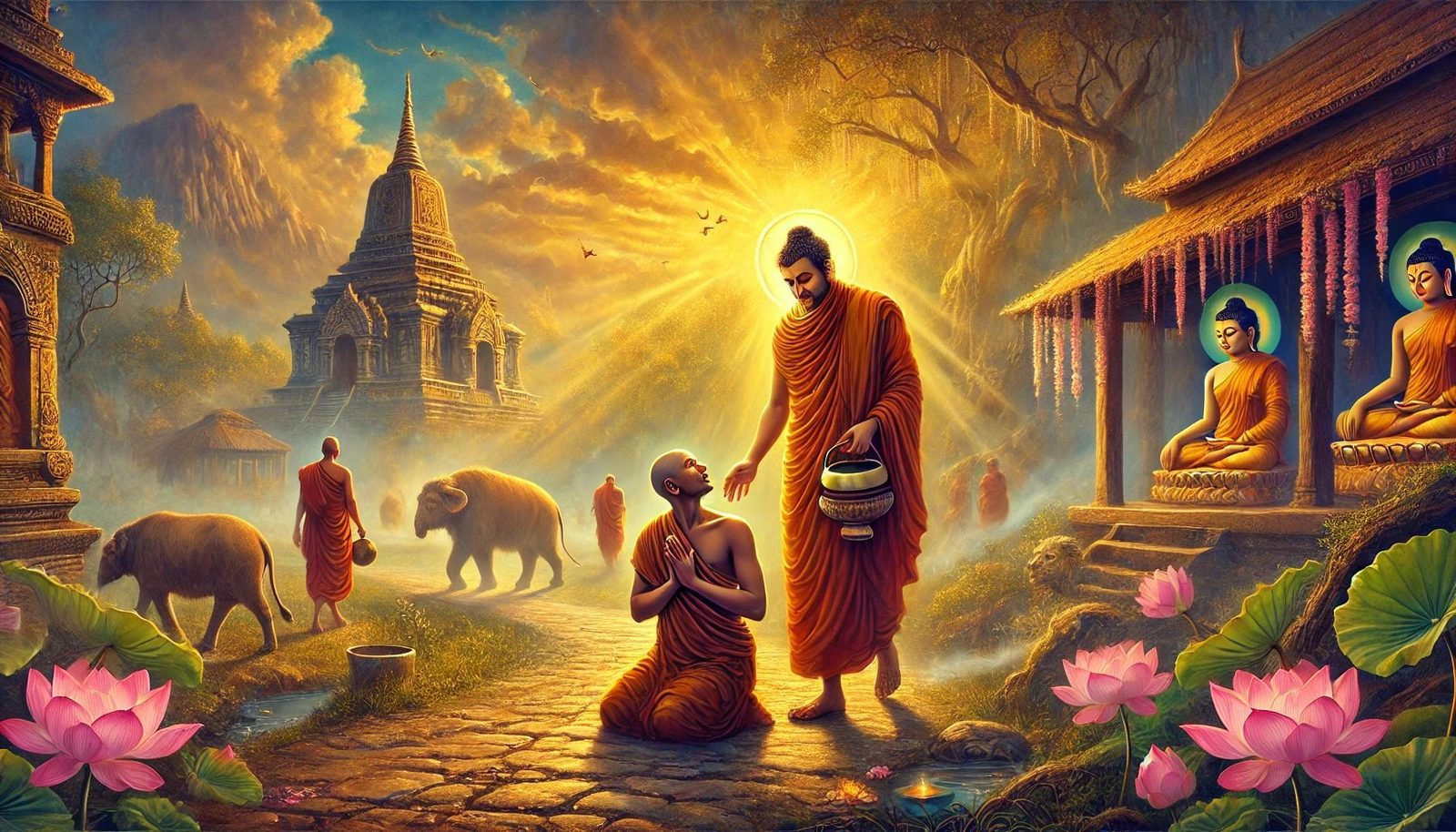
他们两人的对话,被坐在不远处的尊者大周那听得一清二楚。于是,尊者大周那就将所听到的告诉了尊者阿难。尊者阿难认为此事应当去禀报佛陀,就带着尊者大周那去见佛陀。
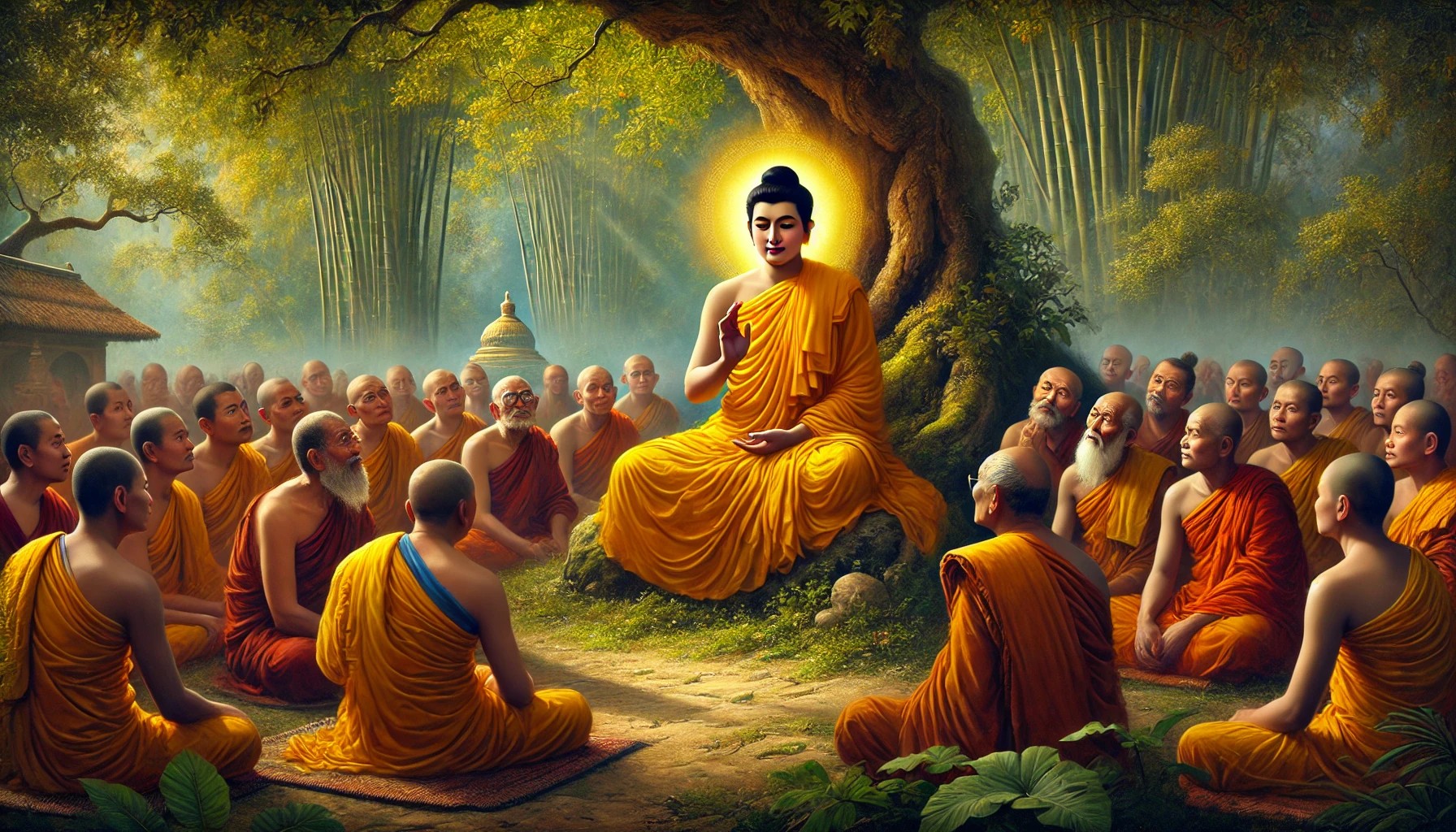
佛陀了解了来龙去脉后,告诉尊者阿难说:
「阿难!我不记得见过普达梨弗这位外道出家人,怎么会对他说那些话呢!又看那三弥提比丘,愚痴而不明究理,普达梨弗所问的问题不明确,涵盖了好几种情形,他不分开来回答,却只以一种答案来回答。」
「世尊!三弥提比丘也许是依『诸受是苦』的道理来回答的,这有什么错呢?」尊者阿难为尊者三弥提辩护道。
「看!阿难,连你也不明究理!三弥提比丘应当回答说:如果故意造乐业,而且也付诸行动达成了,那么必定会受乐报;如果故意造苦业,而且也付诸行动达成了,那么必定会受苦报;如果故意造不苦不乐业,而且也付诸行动达成了,那么必定会受不苦不乐报。
阿难!如果三弥提能这样回答,普达梨弗一定被他折服。
阿难!如果你们能听如来广泛而深入地解说业报,一定能更加清楚而获得法喜。」
「世尊!现在说正是时候,我们一定会好好记住,好好遵行。」
「阿难!有人不离杀、盗、淫、妄、……邪见等十恶行,但死后却生在善报的天上。或有得天眼神通的修行者,正好看到这种情形,就坚定地下了没有恶行、恶业报的结论,并且执着这才是唯一的真理,这是我不能同意的。我同意有些行恶者死后生天,但却不同意所有行恶者死后都生天的结论。因为如来知道,为恶但死后生天的人,或因恶报已在当生受完,或因现生所造恶业延后受报,或因前生强大的善报尚未耗尽,或因死时起了与正见相应之善念的缘故。
有人离杀、盗、淫、妄、……邪见等十恶行,但死后却生在恶报的地狱中。或有得天眼神通的修行者,正好看到这种情形,就坚定地下了没有善行、善业报的结论,并且执着这才是唯一的真理,这是我不能同意的。我同意有些行善者死后生于地狱,但却不同意所有行善者死后都生地狱的结论。因为如来知道,为善但死后生地狱的人,或因善报已在当生受完,或因现生的善业延后受报,或因前生强大的恶业尚未报尽,或因死时起了与邪见相应之恶念的缘故。
有人不离杀、盗、淫、妄、……邪见等十恶行,死后生恶报的地狱。或有得天眼神通的修行者,正好看到这种情形,认为确实有恶行、恶业报,这是我能同意的,但执着这才是唯一的真理,这是我不能同意的。我同意行恶死后会往生地狱,但却不同意所有行恶者死后就往生地狱的结论。因为如来知道,为恶死后往生地狱的人,或因当生的恶行往生,或因前生尚未报尽的恶业往生,或因死时起了与邪见相应之恶念而往生的缘故。
有人离杀、盗、淫、妄、……邪见等十恶行,死后生在善报的天中。或有得天眼神通的修行者,正好看到这种情形,认为确实有善行、善业报,这是我能同意的,但执着这才是唯一的真理,这是我不能同意的。我同意行善死后会生天,但却不同意行善者死后都生天的结论。因为如来知道,为善死后生天的人,或因当生的善行往生,或因前生尚未报尽的善业往生,或因死时起了与正见相应之善念而往生的缘故。
所以,阿难!业报有四种情况:或有看似已报应,实际上却还未报应的造业;或有看似无报应,但实际上却已报应的造业;或有看似无报应,实际上也还未报应的造业;或有看似已报应,实际上也已报应的造业,这就像有些果实还未成熟,但外表看起来却像已经成熟了的模样;有的已经成熟了,但外表看起来却还像尚未成熟的模样;有的尚未成熟,外表看起来也还没成熟的模样;有的已经成熟了,外表看起来也已成熟了的模样。」
Date: 11/09/2024 11/10/2024
Location: Star Lake Meditation Center
Teacher: Otto Huang
Dharma Talk
Complex Karma
Once, the Buddha was traveling and staying in the city of Rajagaha, in the Bamboo Grove at Kalanda. At that time, the Venerable Samiddhi was residing in a secluded hut near Shravasti.
One afternoon, a non-Buddhist renunciate named Pudali Putra visited Samiddhi to ask him a question:
”Friend Samiddhi, I once heard directly from the monk Gautama that’ actions done by the body and speech are insubstantial, only those done by the mind are real. Also, there is a type of meditation where, upon entering, one experiences no sensation.'”
”Friend Pudali Putra! The Blessed One did not say that. Do not slander the Blessed One, as it is not good to do so. The Blessed One repeatedly taught us that if one intentionally performs actions and achieves them, then the results are inevitable, either in this life or the next. However, if it’s unintentional, then results are not necessarily inevitable.”
Regarding meditation, there indeed exists a type that leads to a complete lack of sensation.”
Pudali Putra, disagreeing with Samiddhi’s explanation of karma, repeatedly debated with him. After some back and forth, Pudali Putra asked,
”Friend Samiddhi, if one performs an action intentionally and achieves it, what results will they face?”
”Friend Pudali Putra, if one intentionally commits an action and achieves it, they will undoubtedly face suffering.”
”Friend Samiddhi, how long have you been ordained under the monk Gautama?”
”Not long, only three years.”
Pudali Putra thought, “A young monk, only ordained three years, defends his teacher so steadfastly; what more could senior monks do?” Although unsatisfied with Samiddhi’s answers, he could not counter them effectively and left.
Their conversation was overheard by the Venerable Mahakaccana, who reported it to Ananda. Ananda thought it best to inform the Buddha. Upon learning the details, the Buddha said:
”Ananda, I do not recall ever meeting this non-Buddhist renunciate Pudali Putra, how could I have said those words to him? Moreover, look at monk Samiddhi, foolish and not fully understanding the matter. Pudali Putra’s questions were unclear, covering several scenarios, yet he answered them all with a single response.”
”Lord, maybe monk Samiddhi answered based on the principle that ‘all sensations are suffering’. What’s wrong with that?” Ananda defended Samiddhi.
”Look, Ananda, even you do not fully understand! Samiddhi should have answered that if one intentionally commits a meritorious action and achieves it, they will face joyous results; if they commit a suffering action, they will face suffering results; if they commit a neutral action, they will face neutral results.
Ananda, if Samiddhi had answered like this, Pudali Putra would have been convinced.
If you could hear the Tathagata’s extensive and deep explanations on karma, you would be clearer and rejoice in the Dharma.”
”Lord, now is the right time to speak, and we will remember and follow well.”
”Ananda! There are those who do not refrain from killing, stealing, sexual misconduct, lying, false views, and other such evil acts, yet they are reborn in the heavens with good retribution after death.
Some clairvoyants, upon seeing this, may firmly conclude that there are no consequences for evil deeds and adhere to this as the sole truth, but this is something I cannot agree with. I acknowledge that some who do evil may be reborn in heaven, but I do not agree that all who do evil are reborn in heaven.
This is because the Tathagata knows that those who do evil but are reborn in heaven might have exhausted their evil retribution in their current life, may have delayed repercussions for evil deeds committed in the current life, might not have exhausted the strong merits from previous lives, or may have had a moment of virtuous thought at the time of death.
There are those who abstain from killing, stealing, sexual misconduct, lying, false views, and other such evil acts, yet they are reborn in the hells with bad retribution after death.
Some clairvoyants, upon seeing this, may firmly conclude that there are no rewards for good deeds and adhere to this as the sole truth, but this is something I cannot agree with. I acknowledge that some who do good may be reborn in hell, but I do not agree that all who do good are reborn in hell.
This is because the Tathagata knows that those who do good but are reborn in hell might have exhausted their good retribution in their current life, may have delayed repercussions for good deeds committed in the current life, might not have exhausted the severe demerits from previous lives, or may have had a moment of evil thought influenced by wrong views at the time of death.
There are those who do not abstain from killing, stealing, sexual misconduct, lying, false views, and other such evil acts, and they are indeed reborn in the hells with bad retribution.
Some clairvoyants, upon seeing this, may rightfully conclude that evil deeds result in evil retribution, and this is something I can agree with, but adhering to this as the sole truth is something I cannot agree with. I agree that those who commit evil and die may be reborn in hell, but I do not agree that all who do evil are necessarily reborn in hell.
This is because the Tathagata knows that those who do evil and are reborn in hell might be so due to the evil deeds of their current life, the unexhausted evil karma from previous lives, or evil thoughts in line with wrong views at the time of death.
There are those who abstain from killing, stealing, sexual misconduct, lying, false views, and other such evil acts, and they are indeed reborn in the heavens with good retribution.
Some clairvoyants, upon seeing this, may rightfully conclude that good deeds result in good retribution, and this is something I can agree with, but adhering to this as the sole truth is something I cannot agree with. I agree that those who do good and die may be reborn in heaven, but I do not agree that all who do good are necessarily reborn in heaven.
This is because the Tathagata knows that those who do good and are reborn in heaven might be so due to the good deeds of their current life, the unexhausted merits from previous lives, or virtuous thoughts in line with right views at the time of death.”
Thus, Ananda, karma has four situations: actions that seem to have been resolved but actually have not; actions that seem unresolved but actually have been; actions that seem unresolved and actually are unresolved; and actions that seem resolved and actually are resolved.
This is like some fruits that appear ripe but are not, some that are ripe but do not appear so, some that are not ripe and appear not ripe, and some that are ripe and appear ripe.”