时间:06/08/2024 06/09/2024
地点:星湖禅修中心
主讲:Otto Huang
斋食养生
花椰菜
花椰菜:富含维生素C的十字花科蔬菜
一、花椰菜是什么?
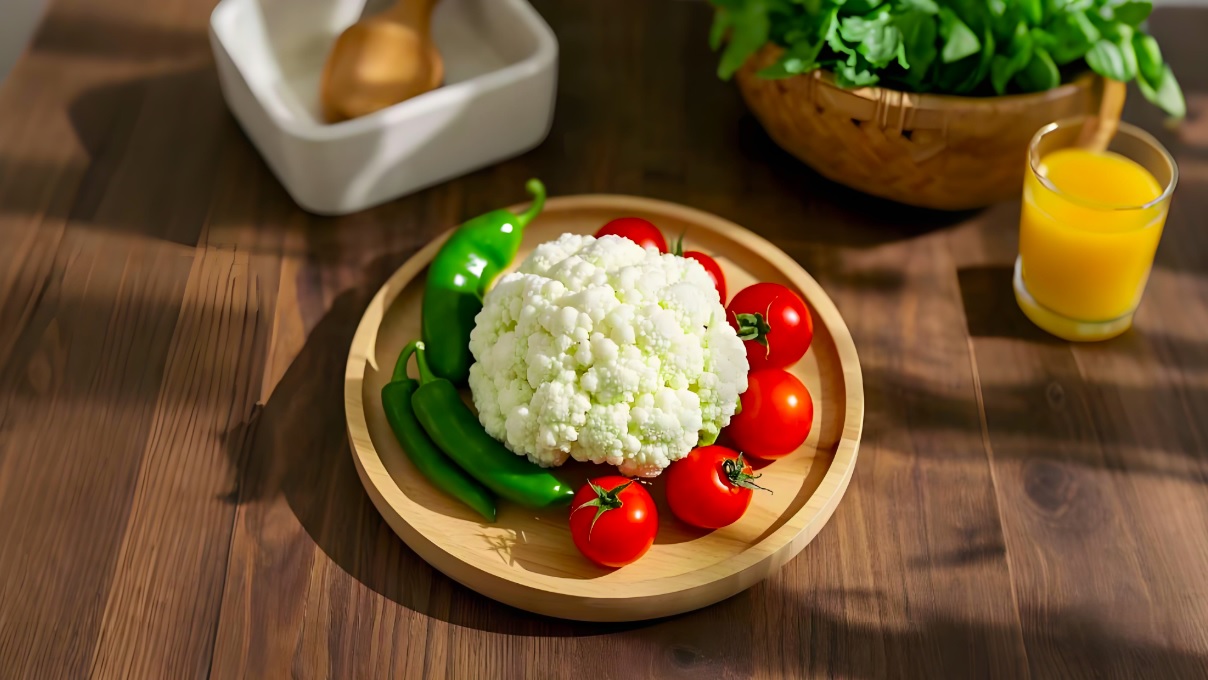
花椰菜(学名:Brassica oleracea var. botrytis),又称菜花,是一种营养丰富的十字花科蔬菜,外形类似白色的西兰花。花椰菜口感清脆,风味温和,适用于多种烹饪方式,是健康饮食中的优质蔬菜。
二、花椰菜的营养价值
花椰菜富含维生素、矿物质和抗氧化物质,主要营养成分包括:
1.维生素C:增强免疫力,促进胶原蛋白合成。
2.膳食纤维:促进肠道蠕动,改善消化健康。
3.维生素K:有助于骨骼健康,支持血液凝固功能。
4.叶酸:促进细胞生长,对孕妇尤为重要。
5.抗氧化物质(萝卜硫素):有助于减少自由基损伤,支持细胞健康。
三、花椰菜的健康益处
1.增强免疫力:维生素C含量丰富,有助于提升机体抵抗力。
2.促进消化:高纤维含量有助于维持肠道健康,预防便秘。
3.支持骨骼健康:维生素K和钙有助于维持骨密度。
4.有助于控制体重:低热量、高纤维的特点,使其成为理想的健康食物。
5.抗氧化和抗炎:含有多种抗氧化物质,有助于减少炎症,保护细胞。
四、花椰菜的食用方式
1.清炒:简单翻炒,保持口感清脆。
2.蒸煮:蒸熟后食用,保留更多营养。
3.烘烤:低温烤制,增加香气和口感。
4.煮汤:与其他蔬菜搭配炖煮,增强风味。
5.凉拌:焯水后加入调味料,清爽可口。
五、关于花椰菜的小知识
如何挑选优质花椰菜?
选择花球紧密、色泽洁白、无黑斑的最佳。
如何存放花椰菜?
可冷藏保存,避免长时间暴露在潮湿环境中。
花椰菜适合所有人食用吗?
适合大多数人,但肠胃敏感者应适量食用,以免引起腹胀。
总结
花椰菜是一种营养丰富的十字花科蔬菜,富含维生素C、K、叶酸和抗氧化物质,有助于增强免疫力、促进消化、保护骨骼和抗氧化。无论是清炒、蒸煮还是烘烤,花椰菜都是健康饮食的理想选择。
Date: 06/08/2024 06/09/2024
Location: Star Lake Meditation Center
Teacher: Otto Huang
Buddhist Diet and Regimen
Cauliflower
Cauliflower: A Vitamin C-Rich Cruciferous Vegetable
1. What is Cauliflower?
Cauliflower (Brassica oleracea var. botrytis) is a nutrient-rich cruciferous vegetable, resembling white broccoli. It has a mild flavor and a crisp texture, making it a versatile ingredient in various culinary dishes.
2. Nutritional Value of Cauliflower
Cauliflower is packed with essential vitamins, minerals, and antioxidants, including:
1.Vitamin C: Supports immune function and collagen production.
2.Dietary Fiber: Aids digestion and promotes gut health.
3.Vitamin K: Contributes to bone health and blood clotting.
4.Folate: Essential for cell growth and especially beneficial during pregnancy.
5.Antioxidants (Sulforaphane): Helps protect cells from oxidative stress.
3. Health Benefits of Cauliflower
1.Boosts Immunity: High vitamin C content strengthens the immune system.
2.Aids Digestion: Fiber supports gut motility and prevents constipation.
3.Supports Bone Health: Vitamin K and calcium contribute to bone strength.
4.Aids in Weight Management: Low in calories and high in fiber, promoting satiety.
5.Provides Antioxidant and Anti-Inflammatory Benefits: Contains compounds that reduce inflammation and protect cells.
4. Best Ways to Eat Cauliflower
1.Stir-Fried: Lightly sautéed for a crunchy texture.
2.Steamed: Retains nutrients while softening the texture.
3.Roasted: Enhances flavor with a slightly nutty taste.
4.Added to Soups: Blends well with other vegetables.
5.Served Cold in Salads: Lightly blanched and mixed with dressings.
5. Interesting Facts About Cauliflower
How to choose the best cauliflower?
Look for compact, bright white heads without dark spots.
How should cauliflower be stored?
Refrigerate and avoid excessive moisture to prevent spoilage.
Is cauliflower suitable for everyone?
Most people can enjoy it, but those with sensitive digestion should consume it in moderation.
Conclusion
Cauliflower is a nutrient-dense vegetable rich in vitamin C, K, folate, and antioxidants. It supports immunity, digestion, bone health, and weight management. Whether stir-fried, steamed, roasted, or added to soups, cauliflower is a delicious and healthy addition to any diet.