时间:12/30/2023 12/31/2023
地点:星湖禅修中心
主讲:Lucy Zhou
斋食养生
紫菜
紫菜:海洋中的营养瑰宝
一、紫菜是什么?
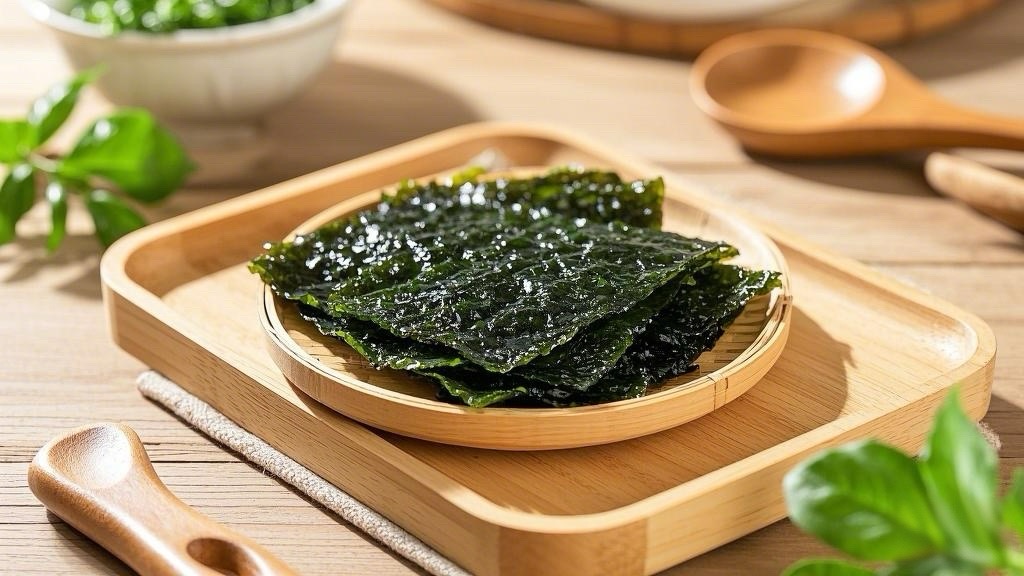
紫菜(学名:Porphyra)是一种生长于海洋中的藻类,广泛分布于温带和热带沿海地区。紫菜质地轻薄,呈深紫色或黑紫色,干燥后脆嫩,遇水膨胀柔软。它不仅是日常膳食中常见的食材,也是传统养生食品,常用于汤品、饭团、凉拌等菜肴。
二、紫菜的营养价值
紫菜富含多种维生素、矿物质和蛋白质,是一种高营养低热量的海洋食材,其中包括:
1. 蛋白质:紫菜含有丰富的植物蛋白,有助于维持身体组织功能。
2. 维生素B12:在植物性食材中较为罕见,对神经系统健康和红细胞生成至关重要。
3. 碘:天然碘含量高,有助于维持甲状腺健康,预防碘缺乏。
4. 铁:有助于红血细胞生成,改善贫血状况。
5. 膳食纤维:有助于促进肠道健康,增强消化功能。
6. 抗氧化物质:富含多酚类化合物,有助于减少自由基损伤。
三、紫菜的健康益处
1. 促进甲状腺健康:紫菜富含碘元素,可支持甲状腺功能,维持正常新陈代谢。
2. 增强免疫力:紫菜中的维生素C和抗氧化物质有助于提高身体抵抗力。
3. 改善贫血:铁含量丰富,能促进血红蛋白生成,缓解缺铁性贫血。
4. 支持消化系统:膳食纤维有助于维持肠道健康,预防便秘。
5. 有助于控制体重:紫菜热量低但富含营养,是健康饮食的理想选择。
四、紫菜的食用方式
1. 紫菜汤:搭配蔬菜或豆制品,简单美味。
2. 凉拌紫菜:泡发后拌入调味料,清爽可口。
3. 紫菜饭团:包裹米饭或馅料,增加风味和营养。
4. 紫菜煎饼:与面糊混合后煎制,口感独特。
5. 烘烤紫菜:干紫菜轻烤后可作为零食,香脆可口。
五、关于紫菜的小知识
如何挑选优质紫菜?
颜色深紫、质地干燥、无杂质的紫菜品质较佳。
紫菜需要泡发吗?
干燥紫菜在食用前需泡水几分钟,使其恢复柔软口感。
紫菜可以每天食用吗?
适量食用有益健康,但因含碘量较高,不宜过量摄入。
总结
紫菜是一种营养丰富的海洋蔬菜,富含蛋白质、碘、铁、维生素B12和膳食纤维。它有助于支持甲状腺健康、增强免疫力、改善贫血,并促进消化系统健康。无论是紫菜汤、凉拌还是饭团,紫菜都是美味又健康的食材。
Date: 12/30/2023 12/31/2023
Location: Star Lake Meditation Center
Teacher: Lucy Zhou
Buddhist Diet and Regimen
Nori
Seaweed: A Nutrient-Rich Treasure from the Ocean
1. What is Seaweed?
Seaweed (Porphyra) is an edible marine algae found in temperate and tropical coastal regions. It has a delicate, paper-thin texture and a deep purple to black color. When dried, it becomes crispy, but when soaked, it turns soft and flexible. Seaweed is a staple in many cuisines, often used in soups, rice rolls, and salads.
2. Nutritional Value of Seaweed
Seaweed is a highly nutritious, low-calorie food rich in vitamins, minerals, and proteins, including:
1. Protein: Provides essential amino acids to support body functions.
2. Vitamin B12: A rare plant-based source, crucial for nerve health and red blood cell formation.
3. Iodine: Naturally rich in iodine, essential for thyroid health and metabolism regulation.
4. Iron: Supports red blood cell production and helps prevent anemia.
5. Dietary Fiber: Promotes gut health and improves digestion.
6. Antioxidants: Contains polyphenols that help reduce oxidative stress.
3. Health Benefits of Seaweed
1. Supports Thyroid Health: High iodine content helps maintain proper thyroid function and metabolism.
2. Boosts Immunity: Vitamin C and antioxidants contribute to a stronger immune system.
3. Prevents Anemia: Rich in iron, seaweed aids in red blood cell production and prevents iron deficiency.
4. Aids Digestion: Dietary fiber promotes gut health and prevents constipation.
5. Supports Weight Management: Low in calories but rich in nutrients, making it an excellent dietary choice.
4. Best Ways to Eat Seaweed
1. Seaweed Soup: Combined with vegetables or tofu for a nourishing dish.
2. Seaweed Salad: Soaked and mixed with seasonings for a fresh, flavorful bite.
3. Rice Rolls with Seaweed: Used to wrap rice or fillings for added texture and taste.
4. Seaweed Pancakes: Mixed with batter and pan-fried for a unique dish.
5. Roasted Seaweed: Lightly toasted for a crispy and savory snack.
5. Interesting Facts About Seaweed
How to Choose the Best Seaweed?
Look for dark purple, dry, and impurity-free seaweed for the best quality.
Does Seaweed Need to Be Soaked Before Eating?
Yes, dried seaweed should be soaked for a few minutes to regain its soft texture.
Can Seaweed Be Eaten Every Day?
While beneficial, excessive consumption should be avoided due to its high iodine content.
Conclusion
Seaweed is a highly nutritious marine vegetable packed with protein, iodine, iron, vitamin B12, and dietary fiber. It supports thyroid function, boosts immunity, prevents anemia, and promotes digestion. Whether in soups, salads, or rice rolls, seaweed is a delicious and healthy addition to any diet.