时间:12/23/2023 12/24/2023
地点:星湖禅修中心
主讲:Lucy Zhou
斋食养生
豌豆
豌豆:小小豆粒,大大营养
一、豌豆是什么?
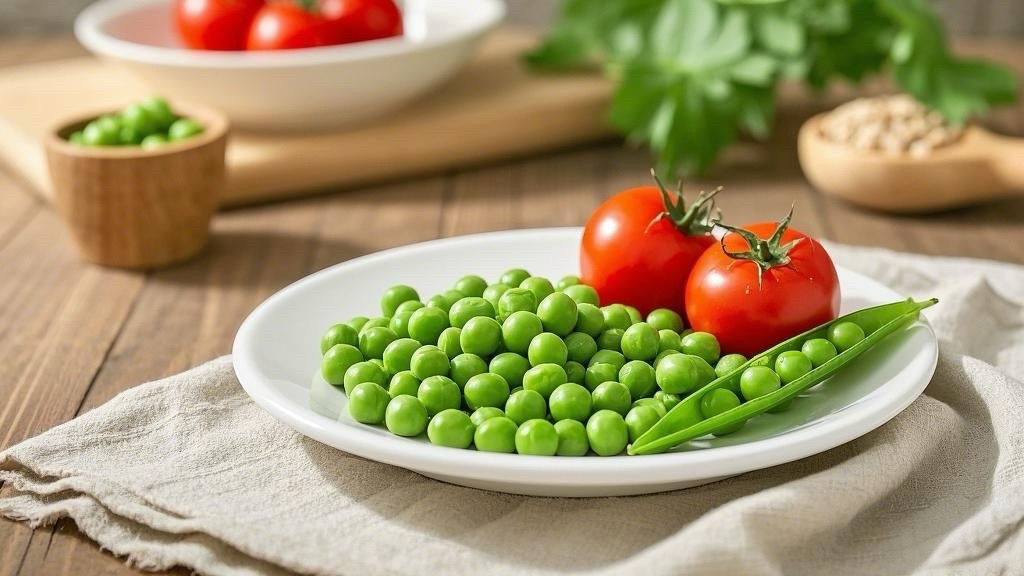
豌豆(学名 Pisum sativum)是一种豆科植物的种子,起源于中东和地中海地区,如今广泛种植于世界各地。豌豆富含蛋白质、维生素和矿物质,是全球许多国家饮食中的重要成分。常见的豌豆类型包括:青豌豆(嫩豌豆)、黄豌豆(干豌豆)和糖荚豌豆(带荚食用)。
二、豌豆的营养价值
豌豆不仅美味,而且营养丰富,主要包含以下关键成分:
1.蛋白质:豌豆是植物蛋白的重要来源,适合素食者和健身人群。
2.膳食纤维:有助于促进消化,预防便秘,维持肠道健康。
3.维生素C:增强免疫力,促进胶原蛋白合成,保护皮肤健康。
4.维生素K:有助于血液凝固,并支持骨骼健康。
5.矿物质(铁、镁、钾):维持心血管健康,支持能量代谢和肌肉功能。
三、豌豆的健康益处
1.促进消化健康:高膳食纤维含量有助于肠道蠕动,预防消化不良。
2.帮助控制血糖:豌豆的低血糖指数(GI)使其适合糖尿病患者食用。
3.支持心脏健康:钾和镁有助于调节血压,减少心血管疾病风险。
4.增强免疫力:维生素C和抗氧化物质有助于提升身体抵抗力。
5.有助于减肥:富含蛋白质和纤维,能增加饱腹感,减少热量摄入。
四、如何食用豌豆?
1.炒菜:可与蔬菜搭配炒制,提升口感和营养。
2.煮汤:加入汤类,如豌豆浓汤,营养丰富且易消化。
3.制作豌豆泥:可用于涂抹面包或作为蘸酱食用。
4.添加到沙拉:煮熟的豌豆拌入沙拉,增添口感和营养。
5.烘焙或干炒:干豌豆可作为健康零食,口感香脆。
五、关于豌豆的小知识
豌豆是蔬菜还是豆类?
青豌豆被归类为蔬菜,而干豌豆则属于豆类。
豌豆可以生吃吗?
新鲜的青豌豆可以生吃,但干豌豆需要煮熟后食用,以防消化不良。
豌豆会引起胀气吗?
由于含有一定量的抗性淀粉和寡糖,部分人食用豌豆后可能会出现胀气,但可以通过充分烹饪减少这种情况。
总结
豌豆是一种营养丰富的食品,富含蛋白质、膳食纤维、维生素和矿物质,适合各种饮食需求。无论是作为主菜、配菜、零食还是汤品,豌豆都能提供健康益处,是日常膳食中的优质选择。
Date: 12/23/2023 12/24/2023
Location: Star Lake Meditation Center
Teacher: Lucy Zhou
Buddhist Diet and Regimen
Peas
Peas: Small but Nutrient-Packed Legumes
1. What Are Peas?
Peas (Pisum sativum) are seeds from a legume plant native to the Middle East and Mediterranean regions. Today, they are cultivated worldwide and serve as a key ingredient in many global cuisines. Common types of peas include green peas (fresh peas), yellow peas (dried peas), and snow peas (eaten with pods).
2. Nutritional Value of Peas
Peas are both delicious and highly nutritious, containing essential nutrients such as:
1.Protein: A great plant-based protein source, ideal for vegetarians and fitness enthusiasts.
2.Dietary Fiber: Supports digestion, prevents constipation, and promotes gut health.
3.Vitamin C:Enhances the immune system, aids collagen production, and protects skin health.
4.Vitamin K: Helps with blood clotting and supports bone health.
5.Minerals (Iron, Magnesium, Potassium): Maintain cardiovascular health, support energy metabolism, and regulate muscle function.
3. Health Benefits of Peas
1.Promotes Digestive Health: High fiber content aids bowel movements and prevents digestive issues.
2.Helps Control Blood Sugar: Peas have a low glycemic index (GI), making them suitable for diabetics.
3.Supports Heart Health: Potassium and magnesium help regulate blood pressure and reduce cardiovascular disease risk.
4.Boosts Immunity: Vitamin C and antioxidants strengthen the immune system.
5.Aids in Weight Management: Rich in protein and fiber, peas promote satiety and reduce calorie intake.
4. How to Eat Peas?
1.Stir-Fried: Cooked with vegetables for a flavorful dish.
2.Soups: Used in pea soups, providing rich nutrition and easy digestion.
3.Mashed Peas: Can be spread on bread or used as a dip.
4.Salads: Boiled peas add texture and nutrients to fresh salads.
5.Roasted or Dried Peas: A crunchy and healthy snack option.
5. Interesting Facts About Peas
Are Peas a Vegetable or a Legume?
Green peas are considered vegetables, while dried peas are classified as legumes.
Can You Eat Peas Raw?
Fresh green peas can be eaten raw, but dried peas must be cooked to improve digestibility.
Do Peas Cause Bloating?
Some people may experience bloating due to the resistant starch and oligosaccharides in peas, but thorough cooking can help reduce this effect.
Conclusion
Peas are a nutrient-dense food packed with protein, fiber, vitamins, and minerals. They offer numerous health benefits and can be enjoyed in a variety of dishes, from main courses to snacks. Whether eaten fresh, cooked, or dried, peas are an excellent addition to a healthy and balanced diet.