时间:02/03/2024 02/04/2024
地点:星湖禅修中心
主讲:Lucy Zhou
佛法修行
不闻雷声的赞叹
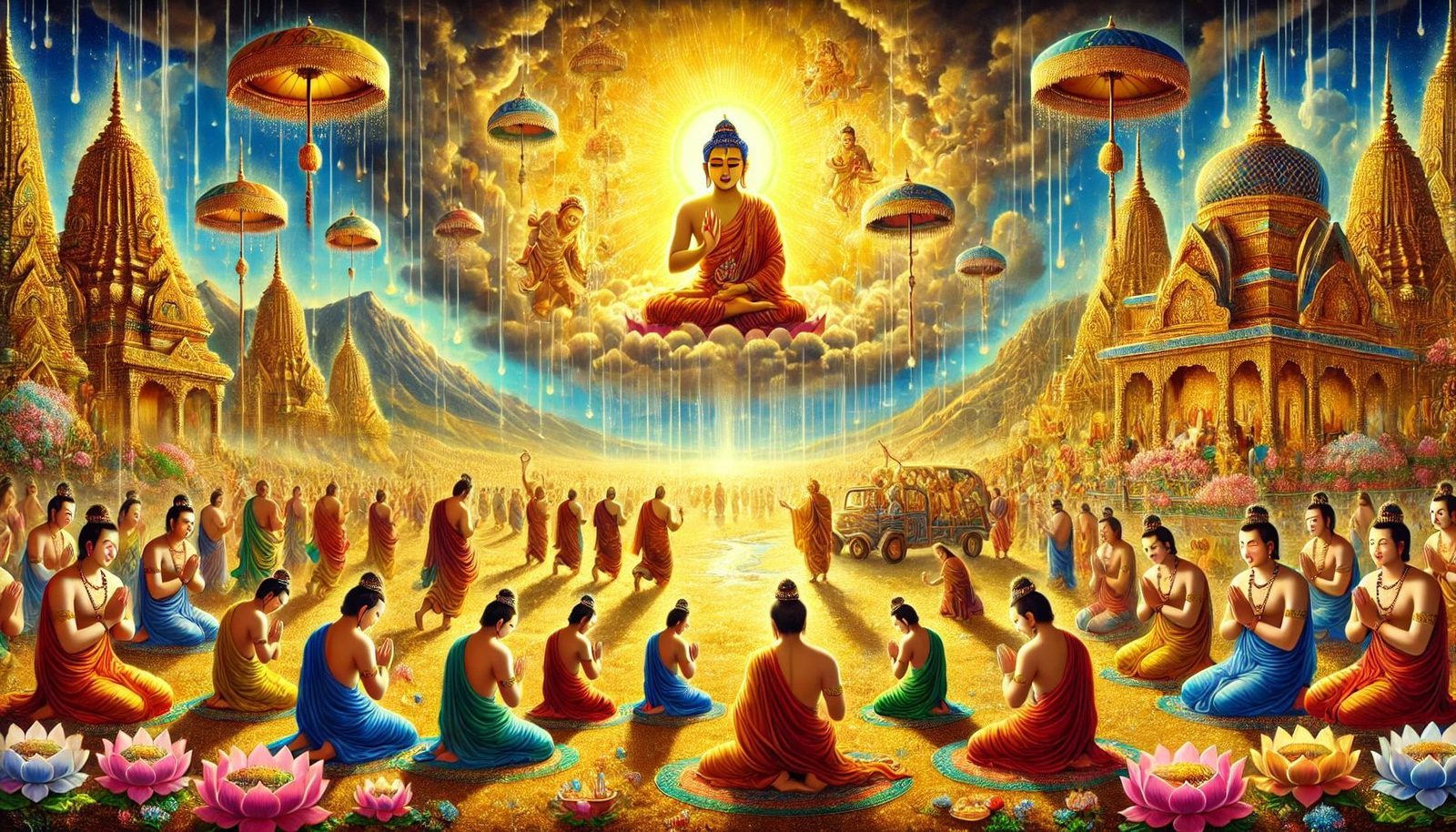
佛陀在七十九岁那一年的夏天雨季,在王舍城避雨安居。三个月安居期结束后,又出发往北方游化,一路上经过那难陀村、罗阅祇城,进入离车族人居住的毘舍离城。当出毘舍离城,来到了竹林村时,已经是隔年夏天的雨季安居期了。
这一年,竹林村地区正逢饥馑,粮食匮乏,不容易乞食,所以佛陀要求大家分散到各地去安居:有的回毘舍离,有的到跋耆国,以减轻竹林村信众的负担,只有阿难与佛陀留在竹林村安居,这是佛陀一生中最后的夏雨安居处。
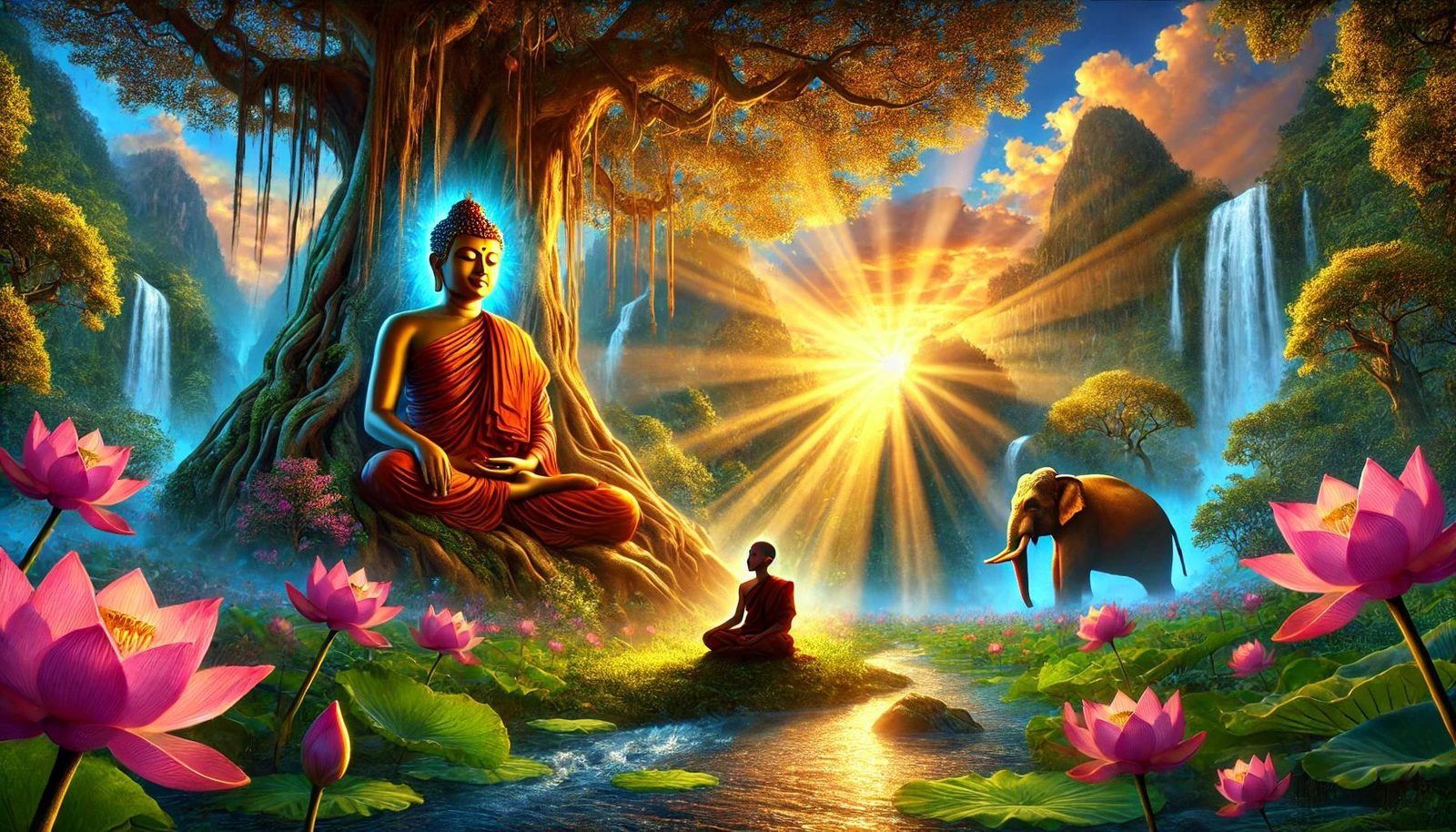
雨季过后,佛陀往西北方游化,来到了末罗国的首都波婆城,接受了铁匠儿子纯陀的最后菇茸供养,引起严重的腹泻,勉强地走向拘尸城。途中,因为背痛的宿疾又发作,要求尊者阿难在路边的树下,为他铺座休息。
这时,从反方向来了一位外道阿罗罗迦摩罗的弟子,名叫福贵。
远远走来,福贵就看见佛陀安详、平静地坐在路边的树下,不由得被这殊胜的景象吸引了,于是就停下来礼敬佛陀,对佛陀说:
「出家修行人能像您这样安详、平静地安住,实在是不可思议。您的样子,让我想起从前我的老师,他也曾经在这条路边的树下,白天静默而坐。当时,有一五百辆车的商队经过,之后来了一个人,问我的老师有没有看见,或者听到五百辆车的大商队经过,我的老师都说没有。
那人怀疑我的老师是不是在睡觉,还是没知觉,我的老师告诉那人,他既没在睡觉,意识也很清楚。检查身上的衣服,还沾有一层车队经过时所扬起的飞尘呢!那人觉得很稀奇,真不可思议,于是就对我的老师生起了甚深的信仰。」
佛陀听了,回应福贵说:
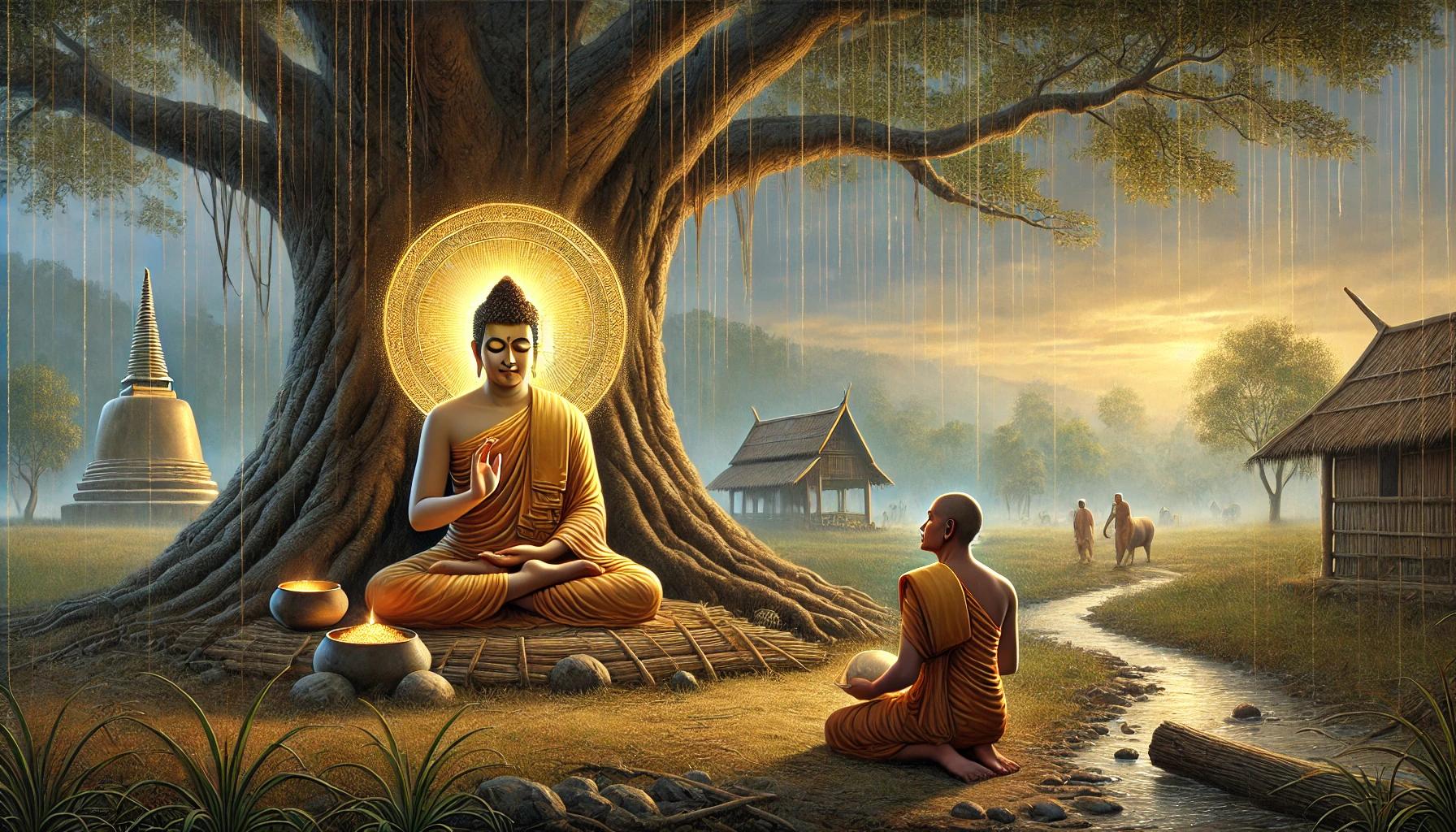
「你觉得是意识清醒而不闻五百辆车队经过的声音难呢?还是意识清醒而不闻大雨天雷电霹雳的声音难?我曾经到过阿越村,住在那里的一间草屋谷仓里,那天下着大雨,雷电交加,谷仓旁有两位农夫兄弟,以及四头牛,都遭雷击死了,大家都跑来关心。这时,我从谷仓出来,才知道这件事。
我告诉他们,我一直在草屋谷仓里,没有看到,也没有听到雷声,我没有在睡觉,意识也很清醒。大家听了,觉得实在不可思议。」
福贵听了,大感赞叹,对佛陀说:
「啊!世尊,您实在是最殊胜的,我先前对阿罗罗迦摩罗仙人的信仰,就像被大风吹散,被急流冲刷般的消失了。」
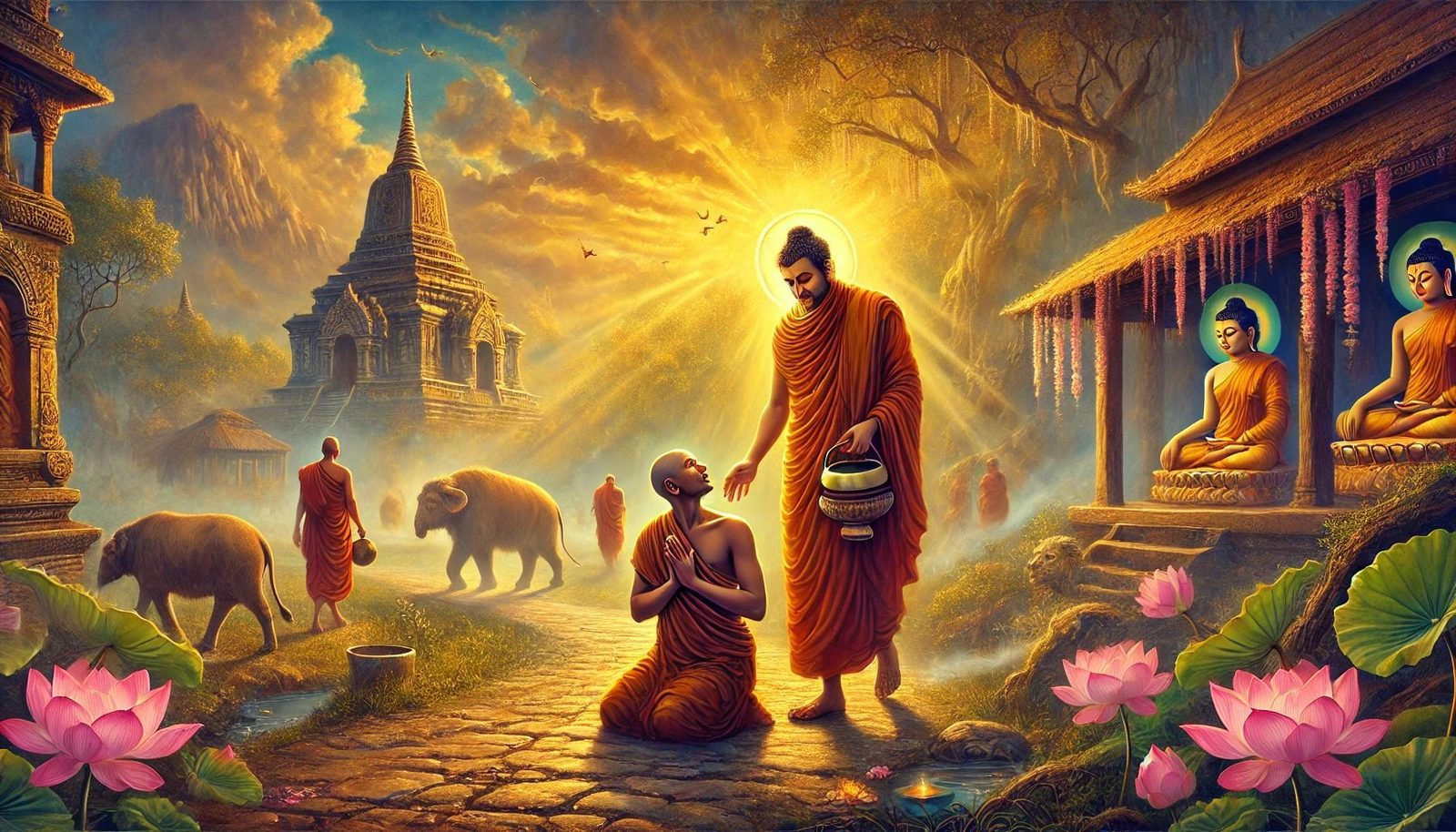
于是,福贵从座位起来,拿出两件昂贵的金色绢布衣供养佛陀。佛陀要他将其中一件供养尊者阿难。于是福贵就拿其中一件为世尊披上,另一件则为尊者阿难披上。
之后,佛陀还为福贵说法。说法的内容,是先让他生起欢喜心,接着说布施、持戒等人天善行,进而再说欲贪是大祸患,是不清净的,应当舍离。待福贵接受了这些道理,有了修学佛法的基础后,佛陀接着教导他属于佛法核心部分的四圣谛。
福贵在佛陀教导他四圣谛后,即刻在座位上远尘离垢,开了法眼,因而见法、得法,决定趣向解脱而不退转,不堕恶道,成就无所畏而证得初果。于是,尊者福贵对佛陀说:
「从今以后,我皈依佛、皈依法、皈依僧伽,终身奉行不杀、不盗、不邪淫、不饮酒戒,但愿世尊接纳我为在家佛弟子。」
Date: 02/03/2024 02/04/2024
Location: Star Lake Meditation Center
Teacher: Lucy Zhou
Dharma talk
Praise for Not Hearing the Thunder
In the summer rains retreat of the year when the Buddha was seventy-nine years old, he stayed in Rājagaha to observe the rains. After the three-month retreat ended, he set out again on his journey north. Along the way, he passed through Nādikā village and Rājagaha city, then entered Vesālī, the city of the Licchavīs. After leaving Vesālī and arriving at Bamboo Village, it was already the time for the next year’s summer rains retreat.
That year, the region around Bamboo Village was struck by famine. Food was scarce, and alms were difficult to obtain. Therefore, the Buddha instructed the monks to disperse and observe the rains retreat in different places: some returned to Vesālī, some went to the Vajjian country, so as to reduce the burden on the lay supporters of Bamboo Village. Only Ānanda remained with the Buddha to observe the retreat there. This was the final rains retreat of the Buddha’s life.
After the rains retreat, the Buddha traveled northwest and arrived at Pāvā, the capital of the Malla country. There, he accepted his final meal—mushrooms offered by Cunda, the son of a blacksmith—which caused him severe diarrhea. He then made his way with difficulty toward Kusinārā. Along the road, an old ailment of back pain flared up again, and the Buddha asked Venerable Ānanda to prepare a seat for him to rest beneath a roadside tree.
At that time, a wandering ascetic approached from the opposite direction. He was a disciple of the non-Buddhist teacher Āḷāra Kālāma, and his name was Pukkusa.
From afar, Pukkusa saw the Buddha sitting beneath the tree by the roadside, calm and serene. He was immediately drawn to this extraordinary sight. He stopped, paid homage to the Buddha, and said:
“For a renunciant to dwell in such peace and serenity as you do is truly inconceivable. Your appearance reminds me of my former teacher. Once, he too sat silently beneath a roadside tree in the daytime. At that time, a great caravan of five hundred carts passed by. Later, someone came and asked my teacher whether he had seen or heard the great caravan of five hundred carts pass. My teacher replied that he had not.
That person suspected that my teacher must have been asleep or unconscious. But my teacher told him that he had not been asleep and that his awareness had been perfectly clear. When his clothing was examined, it was even covered with dust stirred up by the passing caravan. The man found this astonishing and inconceivable, and thus gave rise to deep faith in my teacher.”
After listening, the Buddha responded to Pukkusa:
“Which do you think is more difficult: to be fully conscious and yet not hear the sound of five hundred carts passing by, or to be fully conscious and yet not hear the sound of thunder and lightning during a violent storm? I once went to a village called Āṭavī and stayed in a grass hut used as a grain store. On that day, heavy rain fell, thunder roared, and lightning flashed. Near the hut, two farmer brothers and four oxen were struck dead by lightning. People all rushed over in concern. Only then did I come out of the hut and learn what had happened. I told them that I had been inside the hut the whole time, had not seen anything, and had not heard the thunder. I had not been asleep; my awareness had been perfectly clear. When the people heard this, they found it truly inconceivable.”
Upon hearing this, Pukkusa was filled with deep admiration and said to the Buddha:
“Ah, Blessed One, you are truly supreme. The faith I once had in the ascetic Āḷāra Kālāma has vanished, as if blown away by a strong wind or washed away by a swift current.”
He then rose from his seat and took out two costly golden silk garments to offer to the Buddha. The Buddha asked him to offer one of them to Venerable Ānanda. Accordingly, Pukkusa draped one garment over the Blessed One and the other over Venerable Ānanda.
Afterward, the Buddha taught the Dharma to Pukkusa. He first inspired joy and confidence, then spoke of generosity, moral conduct, and wholesome actions leading to human and heavenly rebirths. He went on to explain that sensual desire is a great danger and is impure, and that it should be abandoned. When Pukkusa had accepted these teachings and established a foundation in the Dharma, the Buddha then taught him the core of the Buddhist teaching: the Four Noble Truths.
After hearing the Buddha’s exposition of the Four Noble Truths, Pukkusa immediately, while still seated, was freed from defilements and dust. The Dharma-eye arose in him. He saw the Dharma, attained the Dharma, and resolved irrevocably toward liberation—no longer subject to falling into evil destinies—gaining fearlessness and realizing the first fruit of the path.
Pukkusa then said to the Buddha:
“From this day forward, I take refuge in the Buddha, I take refuge in the Dharma, and I take refuge in the Saṅgha. For the rest of my life, I will observe the precepts of not killing, not stealing, not engaging in sexual misconduct, and not drinking intoxicants. May the Blessed One accept me as a lay disciple.”