时间:10/17/2026 10/18/2026
地点:星湖禅修中心
主讲:龙示林
佛法修行
恶性须菩提
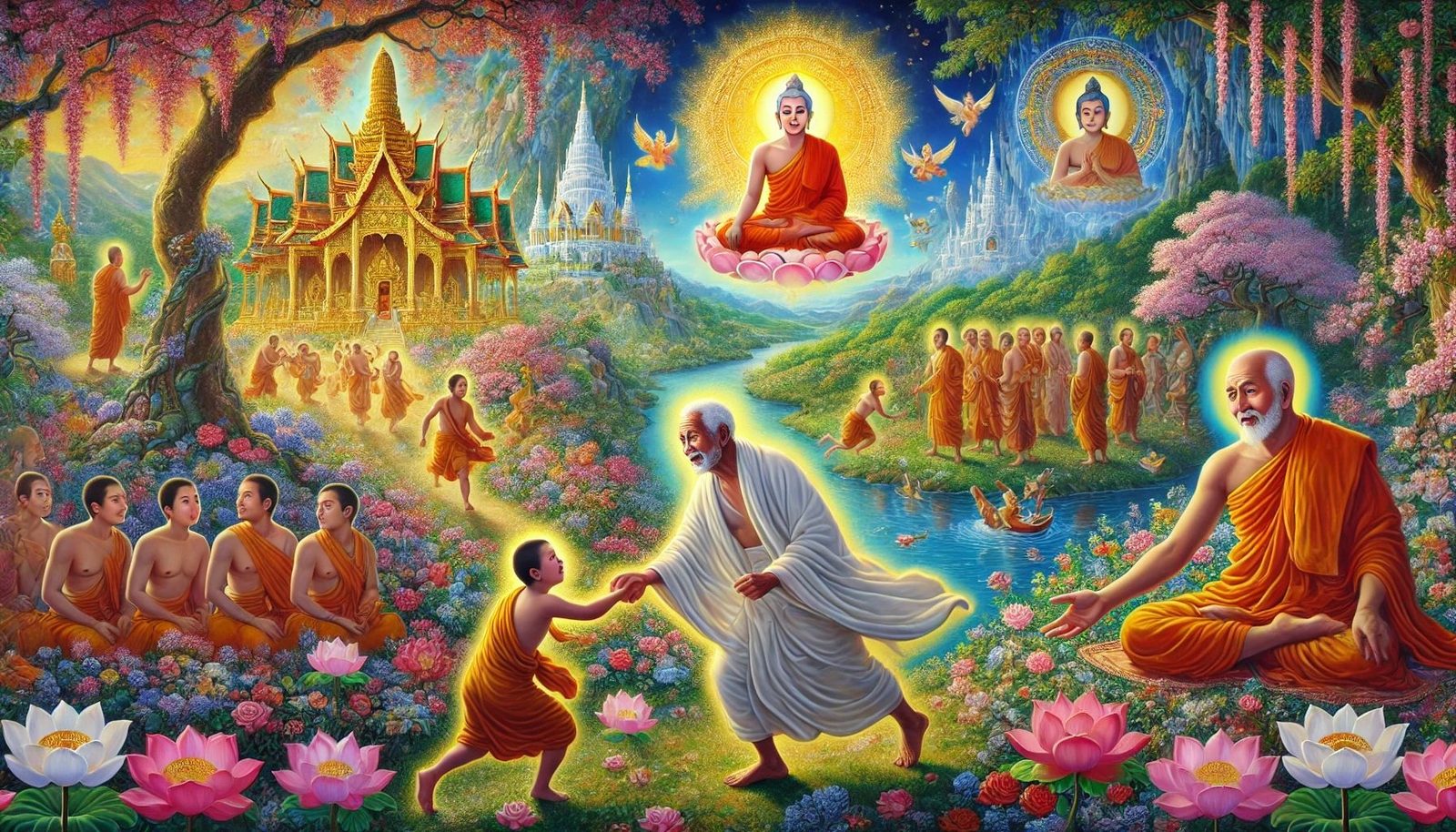
世尊成道之后,观察到大海龙王一族有得度的因缘,便现清净比丘的相貌,独自来到须弥山下,端坐思惟。这时空中冲下了一只大鹏金翅鸟王,「啪哒」一声,从水里抓起一只小龙飞回空中,欲至须弥山顶啖食。惊吓过度的小龙知道自己必死无疑,远远看见须弥山下静坐思惟的比丘,于是至心哀求比丘拯救;虽然最后仍葬身鸟王腹中,但小龙因临终心念僧宝,而投胎到舍卫国的婆罗门家中,形貌端正妙好,很得父母的疼爱,并为他取名为「负梨」,字「须菩提」。
须菩提渐渐长大,以过人的聪明智慧名闻乡里;唯有一项缺点令人难以忍受,就是瞋心极重,稍有不如意便口出恶言,不论人、畜。到最后,连父母都受不了他的恶劣习性,没有人愿意理会他。
一日,受不了被人冷落的须菩提舍家出走,来到山林里居住;但是森林里有太多令他不如意的地方,不管是虫鱼鸟兽、乃至风吹草动,任何一点声响都会让他心生瞋意,所以须菩提一点儿也不欢喜。此处的山神见状,十分怜悯他的愚痴,便现身对他说:「你舍弃舒适的家庭来到荒无人迹的山中,究竟是为了什么?既不修善,也得不到任何利益,天天和自己生闷气,只有浪费一生、徒自劳苦。现在三界中最尊贵的导师降生在人间,已经成佛,能教人断恶行善,脱离烦恼,你不如前往受教,相信他一定有办法解除你心中的瞋恨之毒。」
这时,身心饱受煎熬的须菩提急忙央求山神协助,山神便要他闭上眼睛,须臾间就送他到了祇洹精舍中。须菩提一睁开眼睛,就看到具足三十二相、八十种好的佛陀放大光明,仿佛百千个太阳在眼前,却一点也不觉得刺眼难受,反而是通体舒畅喜悦。
须菩提顶礼毕,退坐一旁,虚心求教。佛陀为其说明瞋恚不仅会增长罪恶,死后还要堕入地狱之中,受尽种种苦报难以出离;即使脱离了地狱的苦报,还是要常生于龙蛇、罗剎或恶鬼类中,互相残害。须菩提听了心惊胆跳,立刻起座匍伏在地,求哀忏悔,由于一念至诚,瞬间与道相应,证得须陀洹果。法喜充满的须菩提求佛出家后,日夜精进修习,不久即证阿罗汉果,为人天所共敬仰。
其他比丘见此殊胜果报,即请示佛陀须菩提的过去因缘。佛陀告诉大众:「迦叶佛时代,有一比丘热心劝化他人,常常带着其他比丘至各地应供,令众生广植福田,如此发心经过一万年也不曾懈怠。一天,碰巧遇到僧中另有因缘,其他比丘无法随从于他,比丘一怒之下口无遮拦,开口便嫌骂他人狠戾不从,犹如毒龙!说完掉头就走。因为触恼众人的业缘,让他五百世中受毒龙身,身心含毒,人不喜见;现在虽得人身,习气未尽而易起瞋心。」佛陀又说:「当时以恶口嫌骂他人的比丘就是今日的须菩提,凭着过去供养僧众的福报,才能遇佛得道,转凡成圣。」众人闻佛所说,个个心开意解,欢喜信受,奉行教法。
Date: 10/17/2026 10/18/2026
Location: Star Lake Meditation Center
Teacher: Shilin Long
Dharma Talk
The Ill-Tempered Subhūti
After the World-Honored One attained Buddhahood, He observed that the Dragon King of the great ocean and his clan had the causes and conditions to be liberated. Therefore, He manifested the appearance of a pure bhikkhu and, alone, came to the foot of Mount Sumeru, where He sat in meditation.
At that moment, a great Garuḍa King suddenly swooped down from the sky. With a loud flap of its wings, it snatched up a young dragon from the water and flew back into the air, intending to carry it to the summit of Mount Sumeru and devour it. Terrified and knowing that death was inevitable, the young dragon saw from afar a bhikkhu sitting peacefully in meditation beneath Mount Sumeru. With all its heart, it pleaded for the bhikkhu to save it. Although it was ultimately devoured by the Garuḍa King, because its final thought was one of devotion to the Saṅgha, the young dragon was reborn into the family of a Brahmin in Śrāvastī. The child was exceptionally handsome and greatly cherished by his parents, who named him Fuli, with the courtesy name Subhūti.
As Subhūti gradually grew up, he became well known throughout the region for his extraordinary intelligence and wisdom. However, he had one serious fault that others found unbearable—his temper was extremely fierce. Whenever the slightest thing displeased him, he would immediately utter harsh and abusive words toward anyone, whether human or animal. Eventually, even his own parents could no longer tolerate his bad temper, and no one was willing to associate with him.
One day, unable to endure being ignored and rejected by everyone, Subhūti left home and went to live alone in the mountains. However, there were too many things in the forest that displeased him. Whether insects, fish, birds, beasts, or even the sound of the wind stirring the grass and trees, every little noise aroused his anger. As a result, Subhūti found no happiness whatsoever.
The mountain deity, seeing this situation, deeply pitied his ignorance and appeared before him, saying, “You abandoned the comfort of your home and came alone into this desolate mountain. What exactly is your purpose? You cultivate no virtue, gain no benefit, and spend every day angry with yourself. You are merely wasting your life and exhausting yourself in vain. Now, the most honored Teacher in the Three Realms has appeared in the human world and has attained Buddhahood. He teaches people to abandon evil, cultivate goodness, and free themselves from afflictions. You should go and receive His instruction. I believe He will surely be able to remove the poison of anger from your heart.”
By this time, Subhūti had become utterly tormented in both body and mind. He urgently begged the mountain deity for help. The deity told him to close his eyes, and in an instant transported him to Jetavana Monastery.
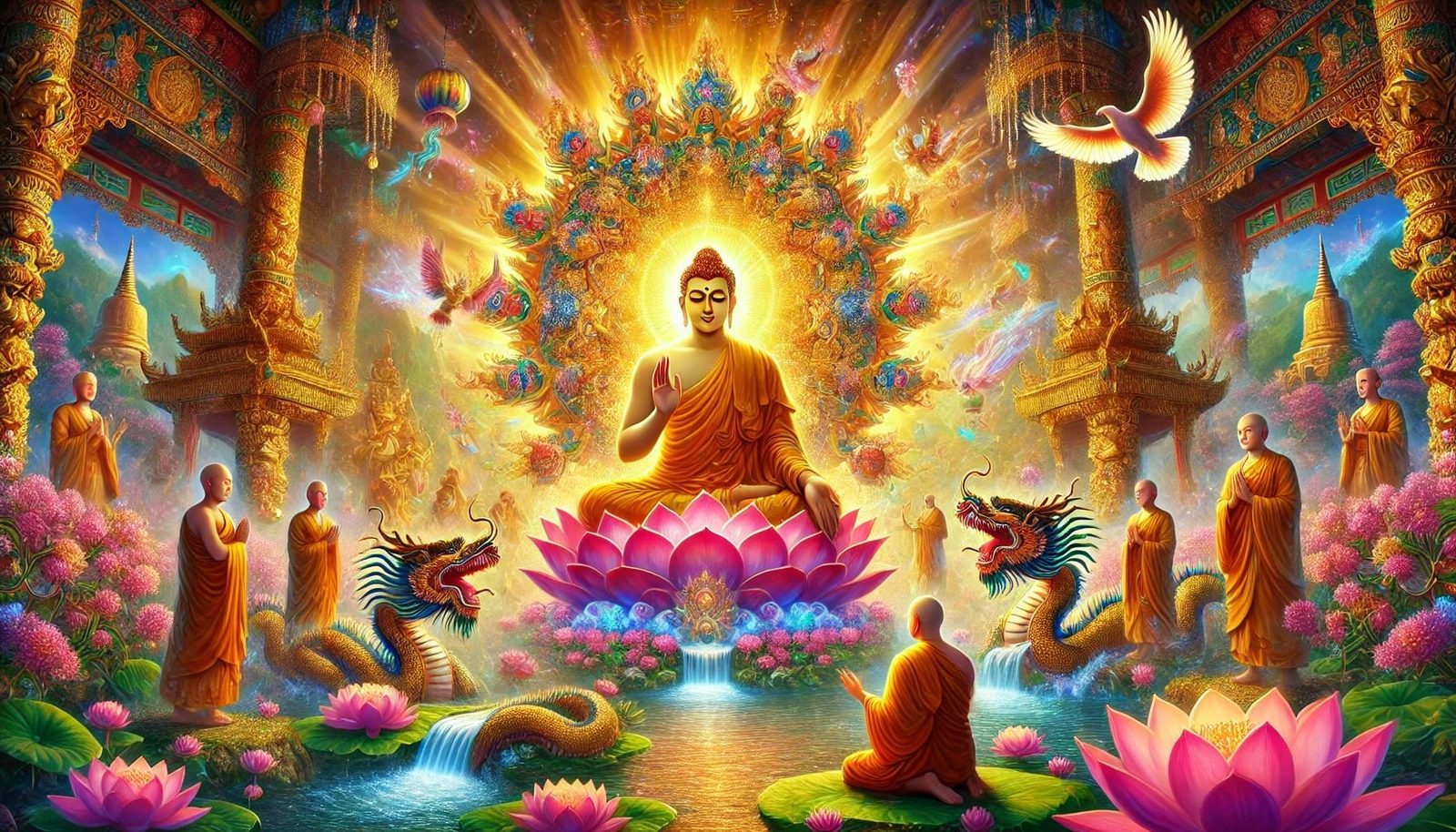
As soon as Subhūti opened his eyes, he beheld the Buddha, endowed with the Thirty-two Marks of a Great Man and the Eighty Excellent Characteristics, radiating immeasurable light. It was as though hundreds of thousands of suns were shining before him, yet instead of dazzling his eyes, the light filled his entire body with comfort and joy.
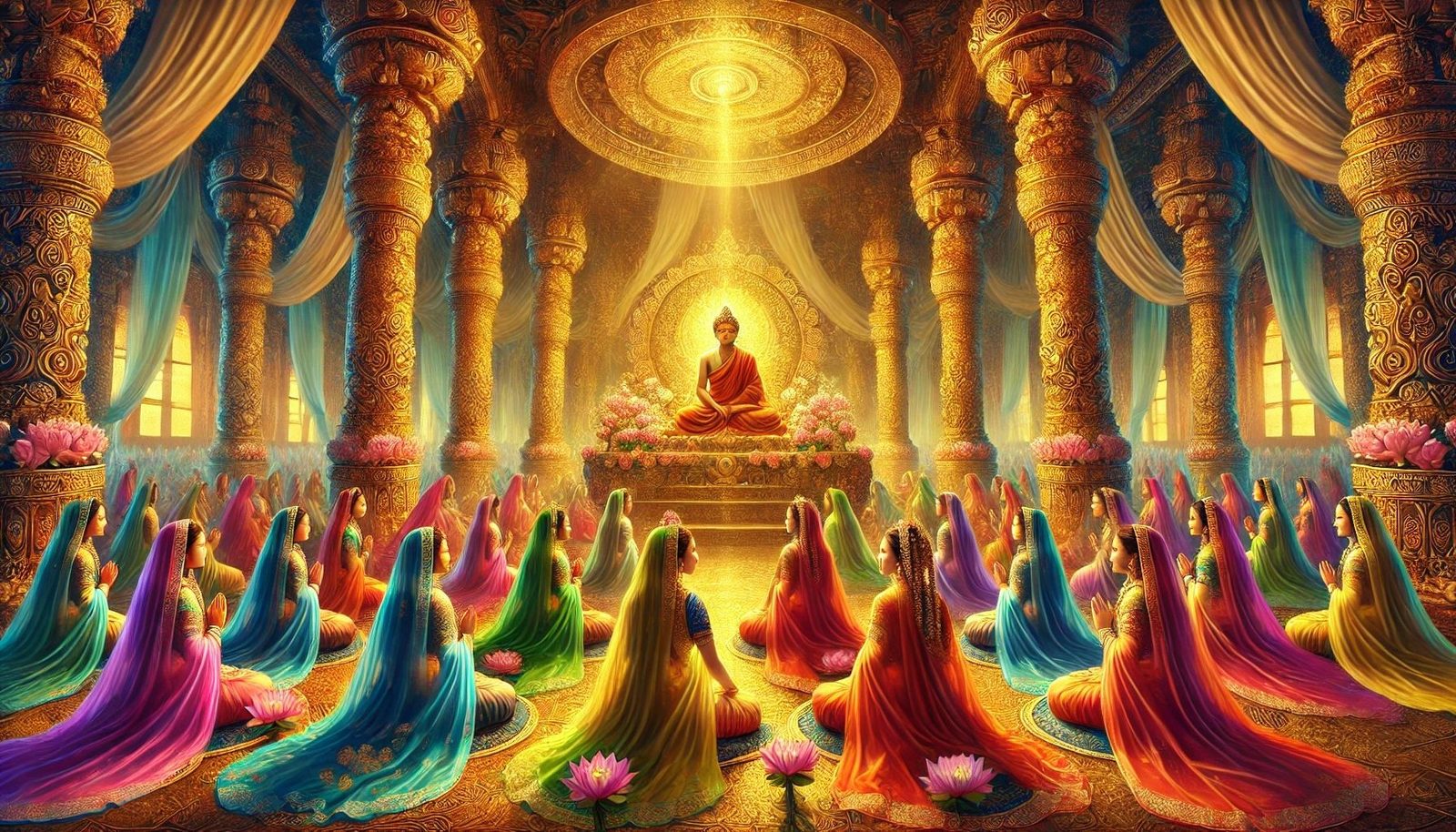
After paying homage to the Buddha, Subhūti respectfully sat to one side and humbly sought instruction. The Buddha explained to him that anger not only increases evil karma but also leads one to fall into the hell realms after death, where one must endure countless sufferings that are extremely difficult to escape. Even after emerging from the hells, one would continue to be reborn as dragons, serpents, rākṣasas, or hungry ghosts, constantly harming one another.
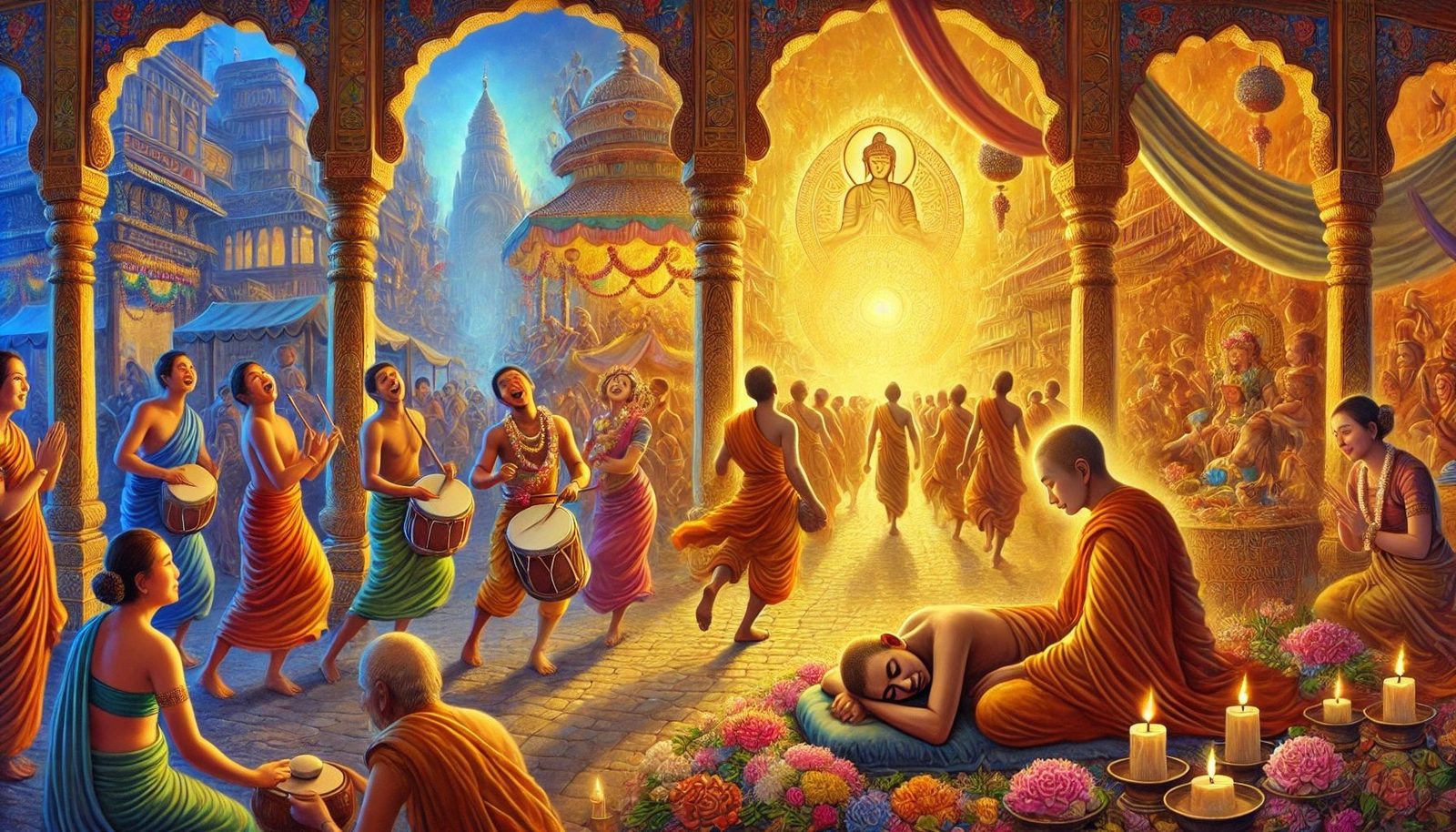
Upon hearing this, Subhūti trembled with fear. He immediately rose from his seat, prostrated himself on the ground, and earnestly confessed and repented. Because of his single moment of wholehearted sincerity, his mind instantly accorded with the Path, and he attained the fruit of Stream-entry (Sotāpanna). Filled with the joy of the Dharma, Subhūti requested permission from the Buddha to leave the household life. After becoming a monk, he practiced diligently day and night, and before long attained Arhatship, becoming revered by both humans and heavenly beings.
Seeing this extraordinary attainment, the other bhikkhus asked the Buddha about Subhūti’s past causes and conditions.
The Buddha told the assembly, “During the time of Buddha Kāśyapa, there was a bhikkhu who was enthusiastic in encouraging others to practice the Dharma. He frequently led groups of bhikkhus to various places to receive offerings, enabling countless beings to plant fields of merit. He maintained this compassionate aspiration for ten thousand years without ever becoming lax.
”One day, due to different circumstances within the Saṅgha, the other bhikkhus were unable to accompany him. In a fit of anger, the bhikkhu spoke without restraint, harshly scolding them for refusing to follow him and calling them as vicious as poisonous dragons. After saying this, he turned around and walked away.
”Because of the karma created by offending and angering the assembly, he was reborn as a poisonous dragon for five hundred lifetimes, with both body and mind filled with venom, becoming someone whom no one wished to see. Although he has now obtained a human body, the habitual tendencies from those past lives have not yet been completely eliminated, and thus he still easily gives rise to anger.”
The Buddha further said, “The bhikkhu who used harsh speech to scold others in that past life is the present-day Subhūti. It is because of the merit he accumulated by serving and making offerings to the Saṅgha that he was able to encounter the Buddha, realize the Path, and transform himself from an ordinary being into a noble saint.”
After hearing the Buddha’s explanation, everyone present experienced a profound awakening. Filled with joy and faith, they accepted the teaching and faithfully put it into practice.