时间:10/10/2026 10/11/2026
地点:星湖禅修中心
主讲:龙示林
佛法修行
金刚公主遇火缘
波斯匿王有一个女儿,名为「金刚」,年纪轻轻就已守寡。国王夫妇怜悯女儿的境遇,特别为她建了一座宫殿,并且派遣五百名歌伎随侍在侧,镇日歌舞,以排遣公主空虚寂寞的日子。
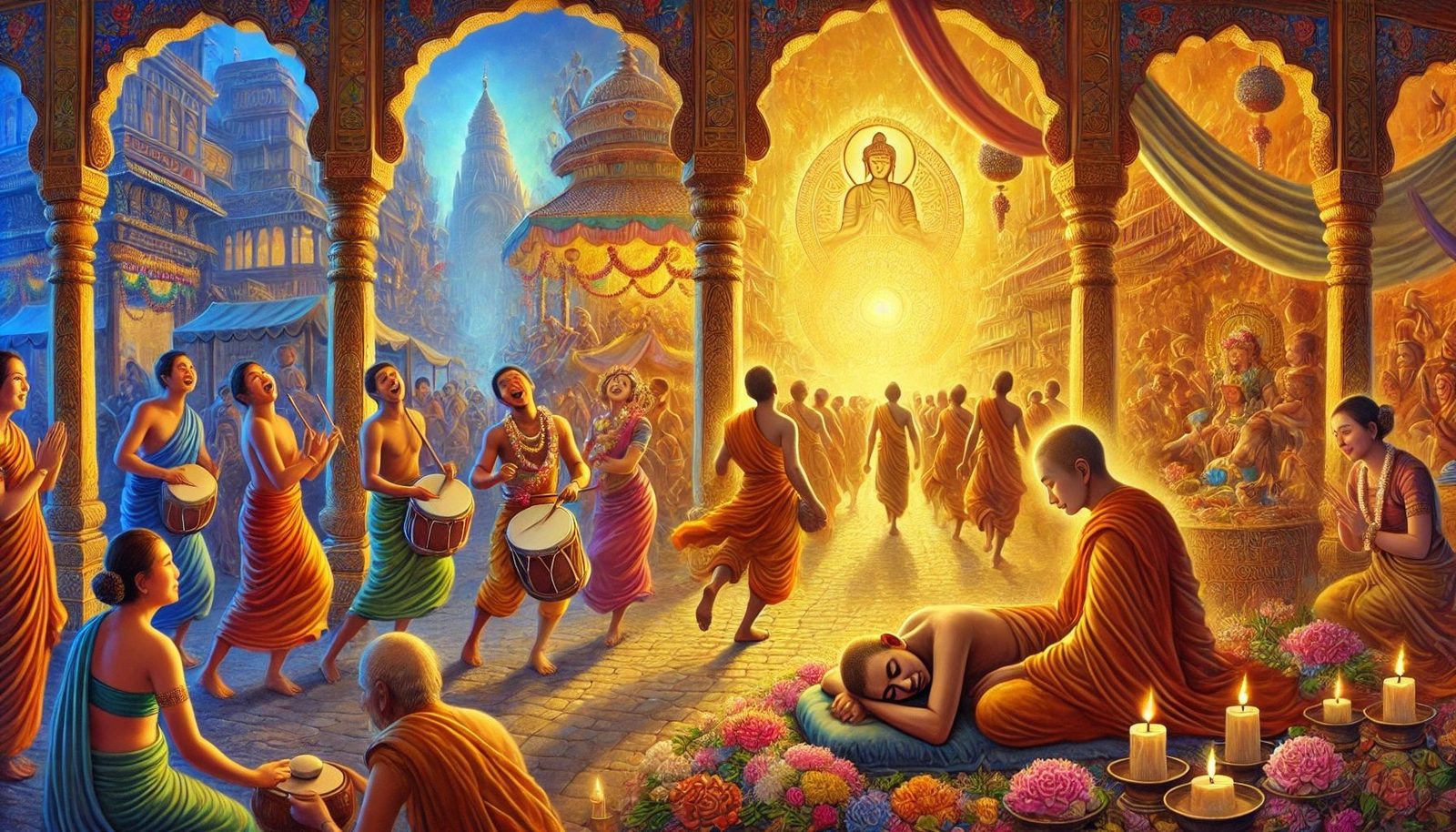
这些歌伎中,有一位年纪较长者,名为「度胜」,经常到市集采买胭脂花粉及香花。一天,度胜到城里采购,却发现城中气氛不同以往,大众皆手持香花,竞相出城。度胜禁不住好奇地问路人:
「请问,你们这么欢喜,是要去哪里呀?」
路人回答:「大家之所以这么欢喜,是因为三界至尊的佛陀正在祇园精舍说法,他不仅已出离生死,还教导大众修行的法门,以达到解脱的境界,所以我们准备了香花要去供养。」
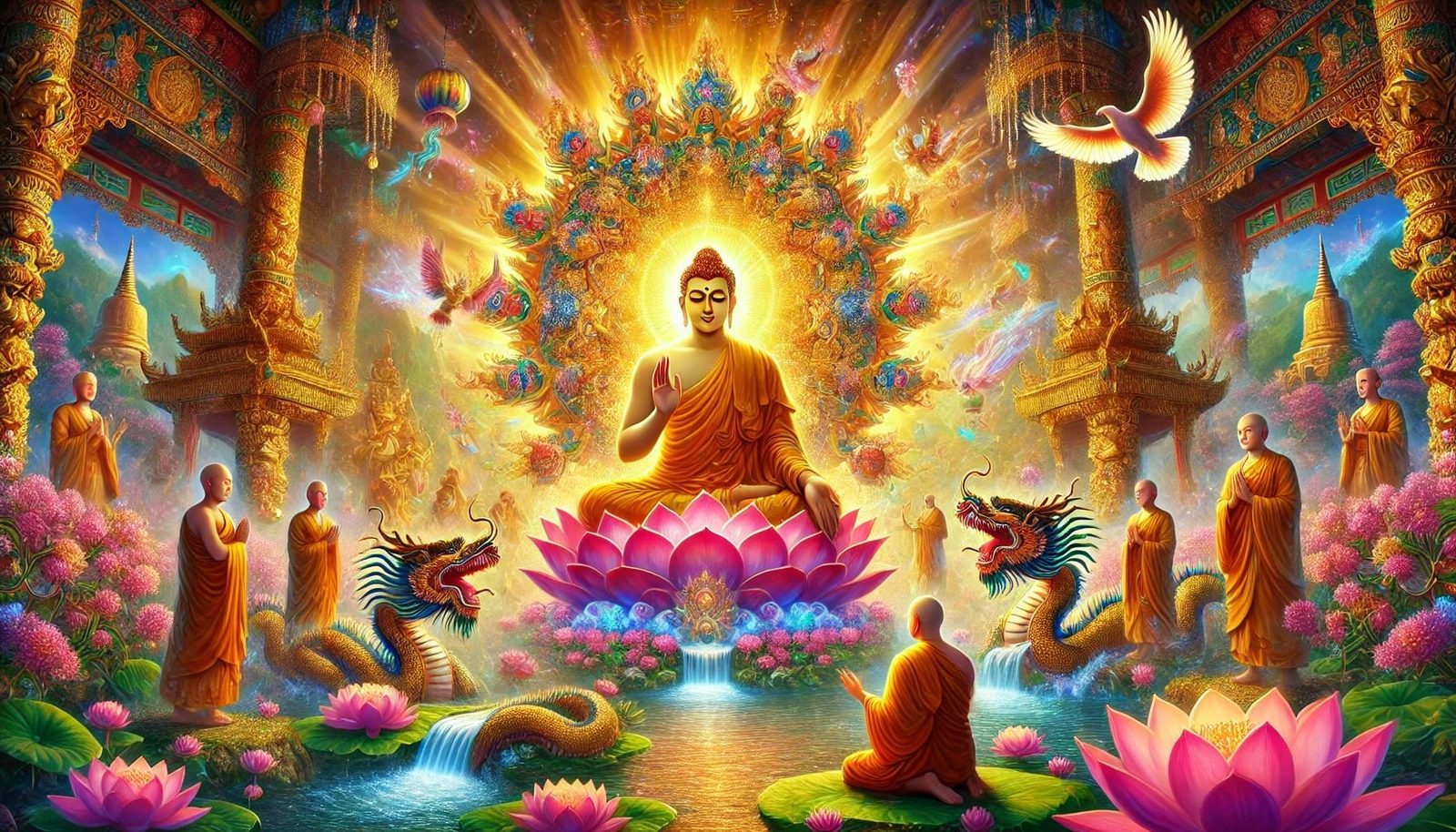
度胜听了之后,甚是欢喜,心想:「我活到这么一大把年纪,还能遇到一位有智慧的圣者,实在是宿世的福报,怎能错过这样难得的机会呢!」于是,度胜挪出一部份原本要买香粉的钱,另外买了鲜花,并且随着众人来到祇园精舍。度胜至诚顶礼佛陀后,即退至一旁散花及燃香供养,并且虔敬聆听佛陀的开示。
结束后,度胜回到市集取回她之前买好的东西,因为听法的功德,再加上宿世善行所感得的果报,使得原已采买的花粉,香味及重量都更胜于前,甚至增加数倍之多。
度胜回到宫中,公主和歌伎们早已不耐久候,纷纷责问度胜:「你怎么去这么久,是不是到哪儿偷懒啦?快,老实说来!」度胜据实以报:「你们有听过『佛陀』这位圣者吗?三界至尊的他,今日在祇园精舍为大众说法,开示解脱烦恼的法门。佛陀的法音,犹如击动巨大的法鼓,足以撼动三千大千世界,而今日到祇园精舍听法的人更是难可计量。我之所以这么晚回来,就是随着大众去给孤独园,聆听佛陀的开示。」
公主及其他侍女听了度胜的叙述后,知道世尊的教法深妙难闻,非一般世学所能比拟,不禁忧喜参半。喜的是佛陀已在舍卫城中,忧的是,自己竟无福亲闻佛陀开示,于是感叹地说:「过去不知造了什么业,竟然没有福报听闻佛法?」但公主霎时转念一想,即对度胜说:「既然你已听过佛陀的开示,何不为我们宣讲当时的内容。」度胜面有难色地说道:「奴婢身分卑贱,口业不净,怎敢如此随便宣说佛法。公主,不如我去请示佛陀看看,您说好吗?」度胜得到公主的允许后,便赶紧前往精舍请示佛陀,而其他人则在庭院中焦急地等待度胜的归来,其渴切之心,犹如孩子等待母亲回家一般,难以按捺。
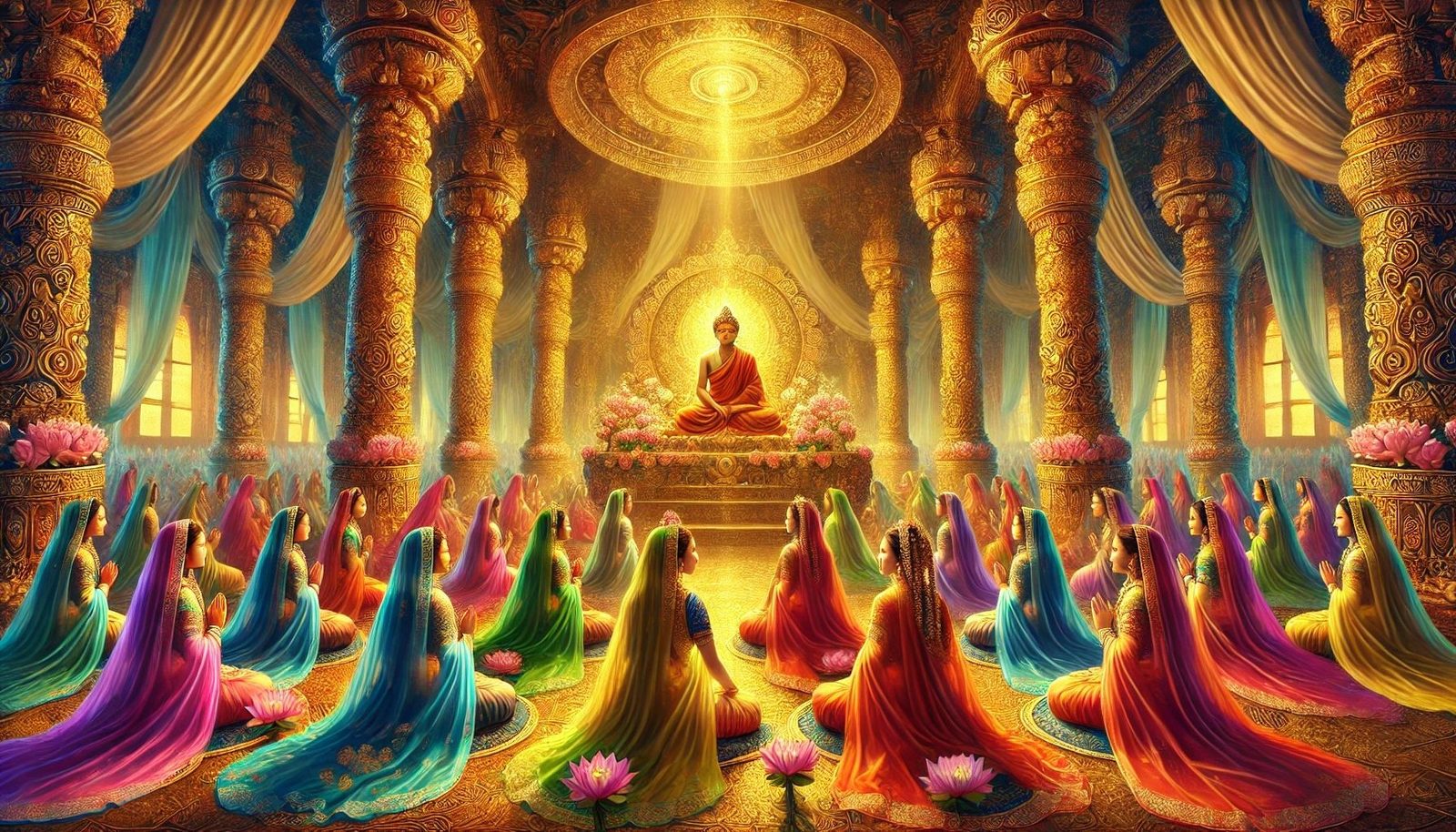
度胜到了精舍,至诚顶礼佛陀后即表明来意。佛陀告诉度胜:「你回到宫中为大众说法,将使许多人获得解脱。但是,宣说佛法前,听法的大众须为说法者准备高座,这样才符合规矩。」度胜回到宫中,将佛陀所交代的话重复一遍,大众听了都非常高兴,便决定各脱一件衣服,叠成法座。而度胜则回到住所沐浴更衣,以清净的身口意三业,表示对法的尊重。
在佛力的加被下,度胜说法甚为殊妙,与佛亲宣无异,所以公主与歌伎们皆破除疑惑、断除恶念,当下证得须陀洹果。不幸的是,正当大众在聆听法要时,宫殿突然失火,因为所有人都在专注听法,浑然不觉环境的险迫,等到发现时,火势早已不可收拾。因此,公主及五百歌伎皆葬身火海,死后即投生天界。
波斯匿王听到女儿宫殿失火的消息,马上带人前往救火,可是到现场一看,宫殿早已烧为灰烬。虽然波斯匿王伤心欲绝,却也只能赶紧命人准备棺柩,为公主、歌伎们殓葬。待丧事毕,波斯匿王难掩悲伤地来到精舍,顶礼佛陀后即满面愁容地坐在位子上。佛陀问:「国王,你今日到这儿是为了什么事呢?」波斯匿王合掌答道:「我心爱的女儿金刚公主不幸遭遇火灾,连平日服侍她的五百歌伎都葬身火窟,我刚刚才办完她们的葬礼,心中的悲伤、痛苦实在难以抑忍。不知她们过去造了何种罪业,今日才遭此横祸?祈请世尊能为弟子开示其中的因缘道理。」
佛陀告诉波斯匿王:「过去世中,有一座城名为『波罗奈』。一天,城中有位长者夫人带领五百位侍女,至城外举行祭祀大典。祭祀的规矩甚为诡秘,除了这一家人,外人皆不得靠近,若有不知情而犯者,皆拋入烈火中烧死。当时,有位辟支佛名为「迦罗」,住在山里修行,早晨出外托钵,傍晚则回到山中用功。这一天,迦罗托钵经过祭祀的地方,长者夫人见了非常愤怒,马上派人将其捉住,并且拋至烈火当中。迦罗等到全身烧至焦烂,忽显神足通,飞升至虚空中。
在场大众见此异状,才知冒犯到圣者,心中不禁惊慌害怕,当场跪倒在地,痛哭失声,并且忏悔地说:『我们真是一群愚蠢无知的女人,竟然有眼不识圣者,且毁辱伤害您。我们自知罪业深重,过高如山,祈求圣者您大人大量,给我们忏悔的机会,以消弭所造的罪业。』辟支佛听了长者夫人如此悲切的心声,即从空中而下,进入涅盘之境。长者夫人为表悔过迁善之心,即为迦罗尊者起塔,供养其舍利。」接着,佛陀又说了一首偈语:
「愚蠢作恶,不能自解;殃追自焚,罪成炽然。
愚所望处,不谓适苦,临堕厄地,乃知不善。」
佛陀对波斯匿王说:「昔日的长者夫人就是金刚公主,而度胜等五百歌伎即是当时的侍女。其实,罪业和福德总是如影随形地跟着我们,无论时间的长短,只要因缘会遇就会显现,这是无从弃舍的。」
佛陀开示完善恶因果的道理后,全国百姓不分男女老少皆受持了三皈、五戒,并且遵循佛陀的教诲,用功修行。
Date: 10/10/2026 10/11/2026
Location: Star Lake Meditation Center
Teacher: Shilin Long
Dharma Talk
The Story of Princess Vajrā and the Fire
King Pasenadi had a daughter named Vajrā. She became a widow while still very young. The king and queen pitied their daughter’s unfortunate circumstances, so they specially built a palace for her and assigned five hundred court musicians and dancers to attend her. Every day they sang and danced to relieve the princess’s loneliness and sorrow.
Among these entertainers was an older woman named Duśheng. She often went to the marketplace to purchase cosmetics, face powder, and fragrant flowers. One day, while shopping in the city, she noticed that the atmosphere was very different from usual. The people were all carrying incense and flowers and hurrying out of the city. Unable to restrain her curiosity, she asked a passerby,
”Excuse me, where are all of you going with such joy?”
The passerby replied, “Everyone is so happy because the Buddha, the Most Honored One in the Three Realms, is teaching the Dharma at Jetavana Monastery. Not only has He transcended birth and death Himself, but He also teaches the path of practice that leads to liberation. Therefore, we have prepared incense and flowers to make offerings.”
When Duśheng heard this, she was overjoyed. She thought, “Having lived to such an old age, I am still fortunate enough to encounter such a wise and holy sage. This truly is the blessing of merits accumulated in past lives. How could I possibly miss such a rare opportunity?” Therefore, she used part of the money that had been intended for buying cosmetics to purchase fresh flowers instead, and followed the crowd to Jetavana Monastery. After sincerely bowing to the Buddha, she stepped aside, scattered flowers, burned incense as an offering, and respectfully listened to the Buddha’s teaching.
After the Dharma assembly ended, Duśheng returned to the marketplace to collect the items she had previously purchased. Because of the merit gained from listening to the Dharma, together with the wholesome karma from her past lives, the cosmetics she had already bought became even more fragrant and heavier than before, their quality increasing several times over.
When Duśheng returned to the palace, the princess and the other entertainers had long grown impatient while waiting for her. They all questioned her, saying, “Why were you gone so long? Were you being lazy somewhere? Come, tell us honestly!”
Duśheng truthfully replied, “Have you ever heard of the holy sage called the Buddha? Today, the Most Honored One in the Three Realms was teaching the Dharma at Jetavana Monastery, explaining the path to liberation from afflictions. The Buddha’s voice is like the beating of a great Dharma drum, powerful enough to shake the entire three-thousandfold great thousand world. The number of people who went to Jetavana Monastery today to hear the Dharma was beyond counting. The reason I returned so late is that I followed the crowd there to listen to the Buddha’s teaching.”
After hearing Duśheng’s account, the princess and the other attendants realized that the Buddha’s teaching was profound and exceedingly difficult to encounter, far beyond the knowledge of ordinary worldly learning. They could not help but feel both joy and sorrow. They rejoiced that the Buddha was already residing in Śrāvastī, yet grieved that they themselves lacked the good fortune to hear His teaching personally. The princess sighed, saying, “What karma did I create in the past that I do not have the blessing to hear the Buddha’s Dharma?”
Then the princess immediately changed her mind and said to Duśheng, “Since you have already heard the Buddha’s teaching, why don’t you teach us what you heard?”
Duśheng replied with hesitation, “I am merely a lowly servant, and my speech is impure. How would I dare casually expound the Buddha’s Dharma? Princess, why don’t I first ask the Buddha whether it would be appropriate?”
After obtaining the princess’s permission, Duśheng hurried to Jetavana Monastery to seek the Buddha’s advice, while everyone else anxiously waited for her return in the courtyard. Their eagerness was like children waiting for their mother to come home—they could hardly contain themselves.
When Duśheng arrived at the monastery, she respectfully bowed to the Buddha and explained her purpose. The Buddha told her, “If you return to the palace and teach the Dharma to the assembly, many people will attain liberation. However, before the Dharma is taught, those who listen should prepare a high seat for the Dharma teacher. This is the proper custom.”
After returning to the palace, Duśheng repeated the Buddha’s instructions. Everyone was delighted, and each person decided to remove one piece of clothing and stack them together to make a Dharma seat. Duśheng then returned to her quarters to bathe and change into clean clothing, purifying her body, speech, and mind as an expression of reverence for the Dharma.
With the blessing of the Buddha’s spiritual power, Duśheng’s exposition of the Dharma was exceptionally profound, no different from the Buddha personally teaching it. Therefore, the princess and the entertainers all eliminated their doubts, abandoned their unwholesome thoughts, and immediately attained the fruit of Stream-entry (Sotāpanna).
Unfortunately, while everyone was attentively listening to the Dharma, the palace suddenly caught fire. Because everyone was completely absorbed in hearing the teaching, no one noticed the danger around them. By the time they became aware of it, the flames were already beyond control. Consequently, the princess and all five hundred entertainers perished in the fire and, after death, were reborn in the heavenly realms.
When King Pasenadi heard that his daughter’s palace had caught fire, he immediately led people to extinguish the blaze. However, when he arrived, the palace had already been reduced to ashes. Although the king was overwhelmed with grief, he could only order that coffins be prepared so the princess and the entertainers could be buried. After the funeral had been completed, King Pasenadi, still unable to overcome his sorrow, went to the monastery. After bowing to the Buddha, he sat down with a face full of sadness.
The Buddha asked, “Great King, what has brought you here today?”
King Pasenadi joined his palms and replied, “My beloved daughter, Princess Vajrā, unfortunately perished in a fire. Even the five hundred entertainers who served her daily all died in the flames. I have only just completed their funeral rites, and the grief and pain in my heart are beyond endurance. I do not know what evil karma they committed in the past to suffer such a tragic calamity today. I respectfully ask the World-Honored One to explain the causes and conditions behind this.”
The Buddha told King Pasenadi, “In a past life, there was a city called Bārāṇasī. One day, the wife of a wealthy elder led five hundred maidservants outside the city to conduct a sacrificial ceremony. The ritual was extremely secretive. No outsiders were allowed to approach, and anyone who unknowingly violated this rule would be thrown into a blazing fire and burned to death.
”At that time, there was a Pratyekabuddha named Kāra who lived in the mountains cultivating the Way. Every morning he went out for alms, and every evening he returned to the mountains to continue his practice. On that particular day, Kāra happened to pass by the place where the sacrifice was being held while on his alms round. When the elder’s wife saw him, she became extremely angry. She immediately ordered people to seize him and throw him into the blazing fire. After Kāra’s entire body had been burned and charred, he suddenly displayed his miraculous powers and rose into the sky.
”When the people present witnessed this extraordinary event, they realized that they had offended a holy sage. Filled with fear and alarm, they all fell to their knees, weeping bitterly as they repented, saying, ‘We are truly a group of foolish and ignorant women. We failed to recognize a holy sage and instead insulted and harmed you. We know that our evil karma is exceedingly grave, towering as high as a mountain. We beg you, compassionate sage, please give us the opportunity to repent, so that the evil karma we have created may be diminished.’
”After hearing the elder’s wife express such heartfelt remorse, the Pratyekabuddha descended from the sky and entered Nirvāṇa. To demonstrate her sincere repentance and determination to reform, the elder’s wife built a stupa for Venerable Kāra and made offerings to his relics.”
Then the Buddha recited this verse:
”The foolish commit evil, yet cannot free themselves from it.
Calamity follows until they burn themselves; their offenses become fiercely ablaze.
The fool hopes for what is pleasant, never expecting suffering.
Only when falling into misery do they realize their deeds were unwholesome.”
The Buddha then said to King Pasenadi, “The elder’s wife of that time is the Princess Vajrā of today, while Duśheng and the other five hundred entertainers are those former maidservants. In truth, evil karma and merit always follow us like a shadow. Regardless of how much time passes, once the appropriate causes and conditions come together, their results will inevitably manifest. They can never be abandoned.”
After the Buddha had fully explained the principles of wholesome and unwholesome karma and their consequences, the people throughout the kingdom, both men and women, young and old, all took refuge in the Three Jewels, accepted the Five Precepts, and diligently practiced according to the Buddha’s teachings.