时间:03/16/2024 03/17/2024
地点:星湖禅修中心
主讲:Otto Huang
斋食养生
葵花籽
葵花籽:富含营养的健康坚果
一、葵花籽是什么?
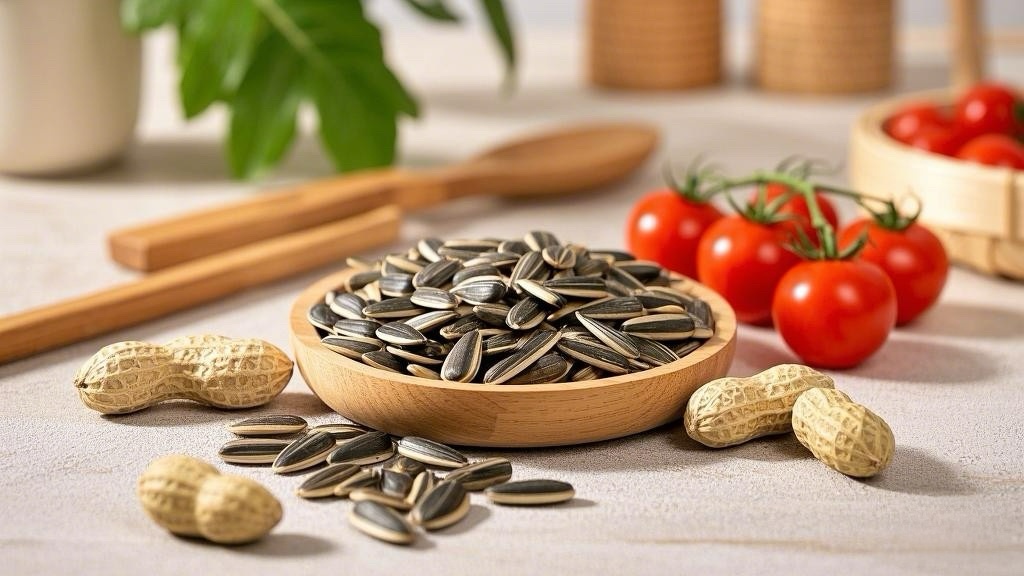
葵花籽(学名:Helianthus annuus)是向日葵的种子,富含健康脂肪、蛋白质和多种维生素与矿物质。它是一种营养丰富的零食,同时可用于烘焙、沙拉和各类健康食品。葵花籽不仅口感香脆,还具有多种健康益处,是天然的营养来源。
二、葵花籽的营养价值
葵花籽富含多种必需营养素,主要包括:
1.健康脂肪(不饱和脂肪酸):有助于降低坏胆固醇,保护心血管健康。
2.蛋白质:提供人体所需氨基酸,支持肌肉生长和修复。
3.维生素E:具有抗氧化作用,帮助保护细胞免受自由基损害。
4.镁:支持神经系统健康,帮助缓解压力。
5.硒:增强免疫系统,有助于细胞修复和抗氧化。
三、葵花籽的健康益处
1.保护心血管健康:不饱和脂肪酸有助于降低胆固醇水平,减少心血管疾病风险。
2.促进皮肤健康:维生素E含量丰富,有助于保持皮肤光滑、延缓衰老。
3.增强免疫力:硒和维生素E的抗氧化作用,有助于提升机体免疫防御能力。
4.缓解压力:镁有助于调节神经系统,帮助缓解紧张情绪。
5.维持血糖稳定:健康脂肪和蛋白质的组合,有助于控制血糖水平,提供持久能量。
四、葵花籽的食用方式
1.直接食用:作为健康零食,适量摄取即可补充营养。
2.撒入沙拉:增加脆感和营养价值。
3.加入烘焙食品:可用于制作面包、饼干、能量棒等。
4.制成葵花籽酱:类似花生酱的替代品,可用于涂抹面包或搭配水果。
5.加入谷物早餐或燕麦粥:提升口感,补充营养。
五、关于葵花籽的小知识
如何挑选优质葵花籽?
选择外壳完整、色泽均匀、无异味的葵花籽最佳。
葵花籽适合每天食用吗?
适量食用有益健康,但过量可能摄入过多脂肪和热量。
如何存放葵花籽?
应存放于干燥阴凉处,密封保存,以防受潮或氧化变质。
总结
葵花籽是一种富含不饱和脂肪酸、蛋白质、维生素E、镁和硒的健康食物,有助于保护心血管健康、促进皮肤健康、增强免疫力和缓解压力。无论是作为零食、撒入沙拉、用于烘焙还是制作葵花籽酱,葵花籽都是健康饮食的理想选择。
Date: 03/16/2024 03/17/2024
Location: Star Lake Meditation Center
Teacher: Otto Huang
Buddhist Diet and Regimen
Sunflower Seeds
Sunflower Seeds: A Nutrient-Dense and Healthy Snack
1. What are Sunflower Seeds?
Sunflower seeds (Helianthus annuus) are the edible seeds of the sunflower plant, packed with healthy fats, protein, vitamins, and minerals. They are a nutrient-rich snack and can also be used in baking, salads, and various health-conscious recipes. With a crunchy texture and mild nutty flavor, sunflower seeds offer numerous health benefits.
2. Nutritional Value of Sunflower Seeds
Sunflower seeds provide essential nutrients, including:
1.Healthy Fats (Unsaturated Fatty Acids): Help lower bad cholesterol and protect heart health.
2.Protein: Supplies essential amino acids for muscle growth and repair.
3.Vitamin E: A powerful antioxidant that protects cells from oxidative damage.
4.Magnesium: Supports nervous system function and helps reduce stress.
5.Selenium: Strengthens the immune system and supports cellular repair.
3. Health Benefits of Sunflower Seeds
1.Promotes Heart Health: Unsaturated fats help lower cholesterol levels and reduce cardiovascular risks.
2.Supports Skin Health: Rich in vitamin E, which keeps skin smooth and helps slow aging.
3.Boosts Immunity: Selenium and vitamin E provide antioxidant protection and strengthen immune defenses.
4.Reduces Stress and Anxiety: Magnesium helps regulate the nervous system and promotes relaxation.
5.Helps Maintain Blood Sugar Levels: The combination of healthy fats and protein supports stable blood sugar and provides lasting energy.
4. Best Ways to Eat Sunflower Seeds
1.Eaten as a Snack: A nutritious on-the-go snack when consumed in moderation.
2.Sprinkled on Salads: Adds crunch and nutritional value.
3.Used in Baking: Ideal for making bread, cookies, and energy bars.
4.Made into Sunflower Seed Butter: A great alternative to peanut butter, perfect for spreading on toast or pairing with fruit.
5.Mixed into Cereal or Oatmeal: Enhances texture and boosts nutritional intake.
5. Interesting Facts About Sunflower Seeds
How to choose the best sunflower seeds?
Look for whole, evenly colored seeds with no off smell.
Is it okay to eat sunflower seeds every day?
Yes, but in moderation, as excessive consumption may lead to high fat and calorie intake.
How should sunflower seeds be stored?
Keep them in a dry, cool place, sealed tightly to prevent moisture or oxidation.
Conclusion
Sunflower seeds are a nutrient-dense food rich in unsaturated fats, protein, vitamin E, magnesium, and selenium. They promote heart health, skin health, immune function, and stress relief. Whether eaten as a snack, added to salads, used in baking, or made into sunflower seed butter, they are a versatile and healthy addition to any diet.