时间:05/03/2025 05/04/2025
地点:星湖禅修中心
主讲:龙示林
佛法修行
童女迦叶度外道
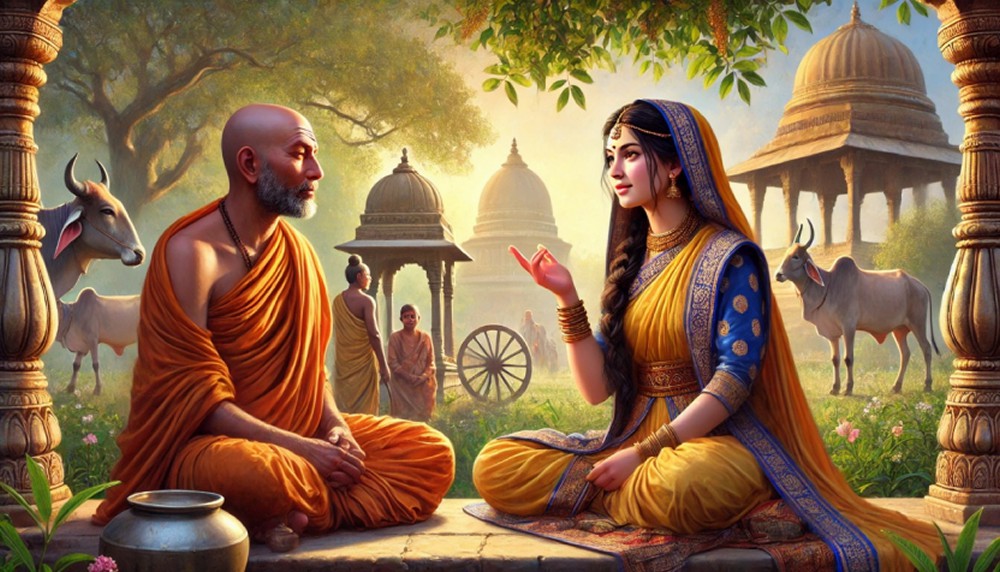
童女迦叶度化外道弊宿的事迹,约发生在佛陀入涅盘未久。当时憍萨罗国波斯匿王,将斯波醯村封给婆罗门弊宿。童女迦叶与五百比丘游行到此,村人早已听闻童女迦叶广学多闻、辩才无碍,都争相前去请法。弊宿婆罗门向来不信有来世、善恶业报等事,特地前去问难。
弊宿言:「依我看,并没有所谓的来世、转生,也没有善恶业报。」迦叶问:「那么你认为天上的日月,是此世有,还是他世有?是人为的,还是上天所造的?」弊宿言:「日月是他世有,并非此世;是上天所造的,非是人为。」迦叶说:「由此可知,必定有他世、有善恶业报。」弊宿言:「我还是不相信!」
迦叶便问:「是什么因缘,使你如此坚信没有来世、转生、善恶业报?」弊宿言:「我有位亲友生病将死,当我去探病时就和他约定:『如果真如沙门所说有地狱存在,以你平时十恶具足,必当堕入地狱。果真如此,你一定要回来告诉我,我才相信有地狱、业报等事!』
然而至今,他始终没有回来,以我们的交情,他是不会爽约的。所以,并没有来世、转生、善恶业报等事!」迦叶就举个譬喻说:「有个盗贼被王所捉,将要赴刑场的路上,哀求守卫说:『求你放我回去和亲人告别,我一定会再回来的!』请问守卫会放他回去吗?」弊宿回答:「当然不会!」迦叶说:「同样的道理,狱卒怎么可能放你的亲人回来呢?所以,你的执着是错误的。」
弊宿又说:「但是,我有另一位亲人,平日广行十善,死前我也和他约定,如果生到天上,一定要回来告诉我,这样我才会相信有来生、善恶业报等事。但是,至今他都未曾回来过!」迦叶回答:「譬如有个人掉到厕所里,国王不但派人把他救出来,还用香汤为他沐浴干净后,抹上香粉、香水,让他穿上最好的衣服、吃美味的食物,并且提供歌舞伎乐,请问这个人还会想回去泡在厕所中吗?」
弊宿说:「当然不会!厕所那么臭秽不堪!」迦叶言:「在天人眼中,我们阎浮提就像厕所一样臭秽,百由旬外都能闻到。你的亲人广修十善,生天享天福,快乐无比,哪里还会来这臭秽的阎浮提?」
弊宿又说:「我还有位亲人,在世时持守五戒,依沙门所说,死后应当生忉利天。我也和他约定,如果生天必来相告,至今未见,所以我不信有来生、善恶业报。」迦叶回答:「人间百年,是忉利天一日一夜。你的亲人持守五戒而生忉利天,必定想先游戏个二、三天,再来找你。到时候,你见得到吗?」
弊宿回答:「忉利天的二、三天,是人间二、三百年,那时我早不在了!虽然你这样说,但谁知道忉利天的天寿果真如你所说?」迦叶又举个譬喻说:「有人天生眼盲,不知颜色、长短等相,也没有见过日月星辰、高山流水。所以就说没有这些东西,对不对?」
弊宿回答:「当然不对。世间本来就有青黄赤白等色,也有山河大地、日月星辰。不会因为盲人说没有,就真的没有。」迦叶说:「这就如同你不知忉利天寿多长,便不相信一样。」
弊宿说:「沙门说:人有识神。可是人死时,都不曾看到有识神跑出来,所以我不相信有来世。」迦叶反问:「你在高楼睡觉时,有没有梦见过山川江河、园林街道?」答:「有。」迦叶又问:「你睡觉时,旁边有侍卫吗?」答:「有。」迦叶又问:「当你梦见山川江河、园林街道时,你的侍卫曾经见过你的识神出去吗?当你醒来,侍卫又曾见到你的识神回来吗?」答:「没有。」
迦叶言:「你现在活着,人们尚且不见你的识神出入,更何况是死人呢?在佛法中,比丘精进不懈修习道品,以三昧力,得清净天眼。用天眼可以得知众生的寿命长短、善恶业报。你不能因为这肉眼无知无见,就认为没有来世。」迦叶又说了个譬喻:「从前有位事火梵志,有事外出,要他的弟子好好看顾火堆,等他回来。
弟子贪玩,不小心让火灭了,心怕被骂,赶紧求火。于是努力劈柴却不见有火;把木头放在臼中捣碎,也找不到火。梵志回来后,告诉弟子,要求火,应该钻木才对。你如果想知有无来世,应该如同比丘一样精进修行,具足定力,得清净天眼,便能知道。不应该因为肉眼不见,就说没有来世。」
弊宿说:「我绝不能舍弃断灭理论,因为我从生下来就是这么认为,而且也教导许多人,包括国王、大臣,大家都知道我是断灭学者。」迦叶说:「譬如有二人出外求财。最初找到了麻,二人就载了很多;后来又见到麻布,一人舍弃麻而取麻布,一人坚持不舍,认为麻就很好了。
再往前走,又有更好的贝劫缕,一人舍麻布取贝劫缕,一人还是坚持着麻。而后,不论再找到更好的白铜、白银、黄金,其中一人便舍原来所有,取较好的;另一人依旧坚持不舍。回到家乡后,带回黄金的人受到大家的欢迎;而坚持取麻的人,被人所取笑。你也是如此,坚持邪见,终究没有益处。」
弊宿说:「如果真如你所说行善生天,你现在应该以刀自杀,以求生天。若是贪生不死,就表示并非真的有来世。」迦叶说:「譬如有个富者,死后留下二位妻子。大老婆生了几个儿子,小老婆才刚怀孕。分财产时,大老婆认为小老婆没有小孩,所有财产都该归她和她的儿子们所有。
小老婆则认为要等她生产后,若是男孩也该有一份财产。但是大老婆的儿子不肯,再三地要求分财产。小老婆心急之下,就以刀剖腹看是男是女。结果,母子双亡。你自己身怀邪见,不但自误且害人,不如沙门精勤修道,戒德具足,长久住世,可以利益更多众生。你应该赶紧舍弃邪见,不要再执迷不悟,自增苦毒!」
弊宿说:「尊者,其实,当您最初问我『日月是此世有、他世有?』时,我就已经知道自己的谬误。之所以一直追问,目的是想见识一下尊者的辩才与智慧,以增强信心。现在,我诚心信服,归依于您。」迦叶言:「你应当归依于我师世尊。」
弊宿问:「世尊在哪里呢?」迦叶言:「世尊刚灭度不久。」弊宿说:「既然如此,我就归依灭度如来及法和众僧。自今以后,尽形寿持守五戒,并且广行布施。」
于是,不仅是弊宿婆罗门得度,在场所有梵志、婆罗门和居士,听闻童女迦叶的开示,都法喜充满,并对佛法生起坚固的信心。
Date: 05/03/2025 05/04/2025
Location: Star Lake Meditation Center
Teacher: Shilin Long
Dharma Talk
The Young Woman Kāśyapa Converts the Heretical Brāhmin Bhiśuka
The story of the young woman Kāśyapa converting the heretical Brāhmin Bhiśuka took place shortly after the Buddha entered Parinirvāṇa. At that time, King Prasenajit of Kosala bestowed the village of Sipohi upon the Brāhmin Bhiśuka.
The young woman Kāśyapa, along with five hundred monks, traveled to this place. The villagers had long heard of Kāśyapa’s vast knowledge, eloquence, and impeccable wisdom, so they eagerly gathered to seek teachings from her.
Brāhmin Bhiśuka had never believed in the existence of future lives, karma, or the consequences of good and evil deeds. He went to challenge her directly.
Bhiśuka said, “In my view, there is no such thing as future lives, rebirth, or karma and its consequences.”
Kāśyapa asked, “Then tell me, do you believe that the sun and the moon belong to this world or another world? Were they created by humans or by divine beings?”
Bhiśuka replied, “The sun and the moon belong to another world, not this one. They were created by the gods, not by humans.”
Kāśyapa said, “From this, we can deduce that there must be another world and that the consequences of good and evil deeds must exist.”
Bhiśuka responded, “I still do not believe it!”
Kāśyapa then asked, “What causes and conditions lead you to firmly believe that there are no future lives, no rebirth, and no consequences for good and evil deeds?”
Bhiśuka said, “I once had a close friend who was gravely ill and nearing death. When I visited him, we made an agreement: ‘If there truly is a hell as the ascetics claim, then given your lifetime of committing the ten evil deeds, you will surely fall into hell.
If that happens, you must return to tell me, so I will believe in hell, karma, and retribution!’ However, until now, he has never come back. Given our deep friendship, he would not have broken his promise. Therefore, there is no future life, no rebirth, and no consequences for good and evil deeds!”
Kāśyapa gave an analogy: “There was once a thief who was captured by the king and was about to be taken to the execution ground. Along the way, he pleaded with the guards, saying, ‘Please let me return home to say farewell to my family, and I promise I will come back!’ Tell me, would the guards let him go back?”
Bhiśuka replied, “Of course not!”
Kāśyapa said, “Similarly, how could the guards of hell possibly allow your friend to return?”
”Therefore, your belief is mistaken.”
Bhiśuka continued, “However, I had another friend who practiced the ten good deeds diligently. Before he passed away, I also made an agreement with him: ‘If you are reborn in the heavens, you must return to tell me, so I will believe in the existence of future lives and the consequences of good and evil deeds.’ Yet, until now, he has never returned!”
Kāśyapa responded with another analogy: “Suppose a man fell into a latrine. The king not only sent people to rescue him, but also bathed him with fragrant water, applied fine perfumes and powders, dressed him in the finest clothes, and provided him with delicious food, music, and entertainment. Do you think this person would want to go back and soak in the filthy latrine?”
Bhiśuka said, “Of course not! The latrine is so foul and repugnant!”
Kāśyapa said, “To celestial beings, this human world is as repulsive as a latrine. The scent of Jambudvīpa (the human world) can be detected from a hundred yojanas away. Your friend, having cultivated the ten good deeds and ascended to heaven, is enjoying unparalleled bliss. Why would he ever return to this filthy realm of Jambudvīpa?”
Bhiśuka continued, “I had yet another friend who upheld the Five Precepts. According to the ascetics, he should have been reborn in the Trāyastriṃśa Heaven after death. Before he passed away, we agreed that if he was reborn in heaven, he would return and inform me. However, I have not seen him since. That is why I do not believe in future lives and karma.”
Kāśyapa explained, “One hundred human years equal just one day and night in the Trāyastriṃśa Heaven. Your friend, having been reborn there due to his observance of the Five Precepts, would surely want to enjoy himself for two or three days before coming to find you. But by then, would you still be here to see him?”
Bhiśuka replied, “Two or three days in the Trāyastriṃśa Heaven is two or three hundred years in the human world. By that time, I will be long gone! Even if you put it this way, who can verify that the lifespan in the Trāyastriṃśa Heaven is truly as you claim?”
Kāśyapa gave another analogy: “There are people who are blind from birth. They cannot perceive colors, shapes, or sizes, nor have they ever seen the sun, moon, stars, mountains, or rivers. If such a person were to say that these things do not exist, would that be correct?”
Bhiśuka replied, “Of course not. The world inherently possesses blue, yellow, red, and white colors, as well as mountains, rivers, lands, and celestial bodies. Just because a blind person cannot see them does not mean they do not exist.”
Kāśyapa said, “Similarly, just because you do not know the lifespan of celestial beings does not mean it does not exist.”
Bhiśuka argued, “Ascetics claim that human beings have a consciousness. However, when people die, no one has ever seen their consciousness leave their bodies, so I do not believe in future lives.”
Kāśyapa countered, “When you sleep in a high building, have you ever dreamt of mountains, rivers, forests, and streets?”
Bhiśuka replied, “Yes.”
Kāśyapa asked again, “When you were sleeping, were there guards watching over you?”
Bhiśuka said, “Yes.”
Kāśyapa asked, “When you dreamt of mountains, rivers, forests, and streets, did the guards ever see your consciousness leave your body? And when you woke up, did the guards see your consciousness return?”
Bhiśuka replied, “No.”
Kāśyapa concluded, “Even when you are alive, people cannot see your consciousness enter or leave your body, let alone when a person is dead. In Buddhism, monks diligently cultivate the path and attain pure divine vision through meditative concentration. With their celestial eyes, they can perceive the length of life and the consequences of good and evil actions. Just because your physical eyes cannot see something does not mean that it does not exist.”
Finally, Bhiśuka admitted, “Venerable one, when you first asked me whether the sun and moon belonged to this world or another, I already realized my mistake. The reason I kept questioning was to test your eloquence and wisdom, and now I have complete faith in you.”
Kāśyapa said, “You should take refuge in my teacher, the World-Honored One.”
Bhiśuka asked, “Where is the World-Honored One now?”
Kāśyapa replied, “The World-Honored One has recently entered Parinirvāṇa.”
Bhiśuka said, “In that case, I take refuge in the Tathāgata, the Dharma, and the Sangha. From now on, I will uphold the Five Precepts for the rest of my life and practice generosity extensively.”
Thus, not only was the Brāhmin Bhiśuka converted, but all the other Brāhmins and laypeople present were also filled with Dharma joy and developed unwavering faith in the Buddha’s teachings.