时间:02/17/2024 02/18/2024
地点:星湖禅修中心
主讲:Lucy Zhou
斋食养生
芹菜
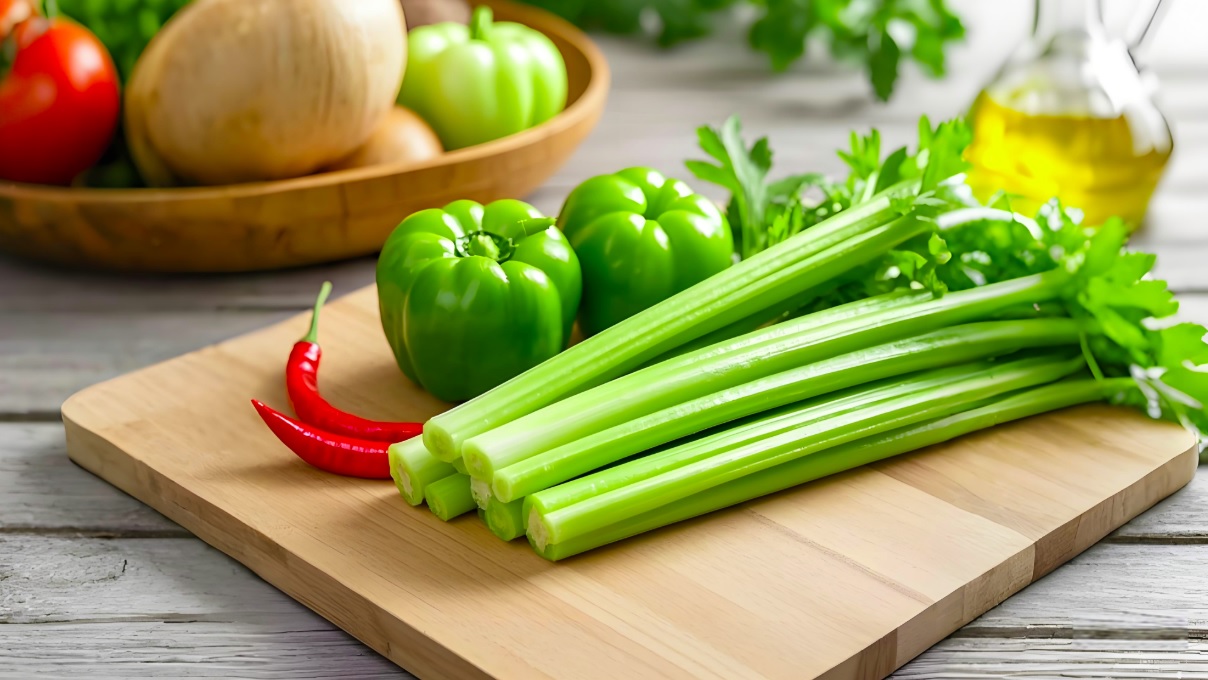
芹菜:清脆爽口的健康蔬菜
一、芹菜是什么?
芹菜(学名:Apium graveolens)是一种富含营养的蔬菜,以其清脆的口感和独特的清香广受欢迎。它既可以生吃,也可以煮熟食用,是许多健康饮食中的重要食材。芹菜含有丰富的膳食纤维、维生素和矿物质,常用于调理身体健康。
二、芹菜的营养价值
芹菜是一种低热量、高营养的蔬菜,主要营养成分包括:
1.膳食纤维:促进肠道蠕动,有助于改善消化功能。
2.维生素K:支持血液凝固功能,维持骨骼健康。
3.钾:有助于调节体内电解质平衡,维持血压稳定。
4.维生素C:增强免疫力,促进胶原蛋白合成。
5.抗氧化物质:富含类黄酮,有助于减少自由基损伤,保护细胞健康。
三、芹菜的健康益处
1.支持消化系统健康:高纤维含量有助于促进肠道蠕动,预防便秘。
2.帮助调节血压:钾含量丰富,有助于维持血压平衡。
3.增强免疫力:维生素C和抗氧化物质有助于提升机体防御能力。
4.促进代谢健康:低热量且富含水分,有助于维持体内平衡。
5.保护心血管健康:抗氧化物质有助于降低炎症,减少心血管疾病风险。
四、芹菜的食用方式
1.凉拌:切段后搭配调味料,口感清脆爽口。
2.清炒:简单翻炒,保留芹菜的鲜嫩和营养。
3.煮汤:与其他食材一起炖煮,使汤品更加清香可口。
4.榨汁:搭配其他蔬果制成蔬菜汁,补充营养。
5.蒸煮:轻微蒸煮后食用,保持原味和营养。
五、关于芹菜的小知识
如何挑选优质芹菜?
选择颜色鲜绿、茎叶挺拔、无干枯或黄斑的芹菜最佳。
芹菜适合生吃还是熟吃?
两者皆可,生吃清脆,熟吃更易消化,适合不同口感需求。
如何存放芹菜?
可用保鲜袋包裹后冷藏,保持水分,避免过早干枯。
总结
芹菜是一种富含膳食纤维、维生素K、维生素C和钾的健康蔬菜,有助于消化系统、血压调节、免疫力增强和心血管健康。无论是凉拌、炒制、煮汤还是榨汁,芹菜都是健康饮食的理想选择。
Date: 02/17/2024 02/18/2024
Location: Star Lake Meditation Center
Teacher: Lucy Zhou
Buddhist Diet and Regimen
Celery
Celery: A Crisp and Nutritious Vegetable
1. What is Celery?
Celery (Apium graveolens) is a nutrient-rich vegetable known for its crunchy texture and refreshing aroma. It can be eaten raw or cooked and is widely used in healthy diets. Celery is packed with fiber, vitamins, and minerals, making it a beneficial addition to meals.
2. Nutritional Value of Celery
Celery is a low-calorie, nutrient-dense vegetable with key nutrients, including:
1.Dietary Fiber: Aids digestion and promotes gut health.
2.Vitamin K: Supports blood clotting and maintains bone health.
3.Potassium: Helps regulate electrolyte balance and maintain blood pressure stability.
4.Vitamin C: Boosts immunity and supports collagen production.
5.Antioxidants: Rich in flavonoids that protect cells from free radical damage.
3. Health Benefits of Celery
1.Supports Digestive Health: High fiber content promotes gut motility and prevents constipation.
2.Helps Regulate Blood Pressure: Potassium aids in maintaining blood pressure balance.
3.Boosts Immunity: Vitamin C and antioxidants enhance the body’s defense system.
4.Promotes Metabolic Health: Low in calories and high in water content, supporting hydration and balance.
5.Protects Heart Health: Antioxidants help reduce inflammation and lower cardiovascular risks.
4. Best Ways to Eat Celery
1.Raw in Salads: Sliced and mixed with seasonings for a fresh and crunchy dish.
2.Stir-Fried: Lightly sautéed to retain its crisp texture and nutrients.
3.Added to Soups: Enhances the aroma and nutritional value of broths.
4.Juiced: Blended with other fruits and vegetables for a nutrient-rich drink.
5.Steamed: Lightly steamed to preserve its natural flavor and health benefits.
5. Interesting Facts About Celery
How to choose the best celery?
Look for bright green stalks with firm, upright leaves and no yellow or dry spots.
Is celery better eaten raw or cooked?
Both are beneficial—raw celery is crunchy, while cooked celery is easier to digest.
How should celery be stored?
Wrap it in a storage bag and refrigerate to maintain freshness and prevent dehydration.
Conclusion
Celery is a fiber-rich vegetable loaded with vitamin K, vitamin C, and potassium, supporting digestion, blood pressure regulation, immunity, and heart health. Whether eaten raw, stir-fried, added to soups, or juiced, celery is a versatile and healthy addition to any diet.