时间:02/10/2024 02/11/2024
地点:星湖禅修中心
主讲:Sara
打坐参禅
身体的放松与稳定技术
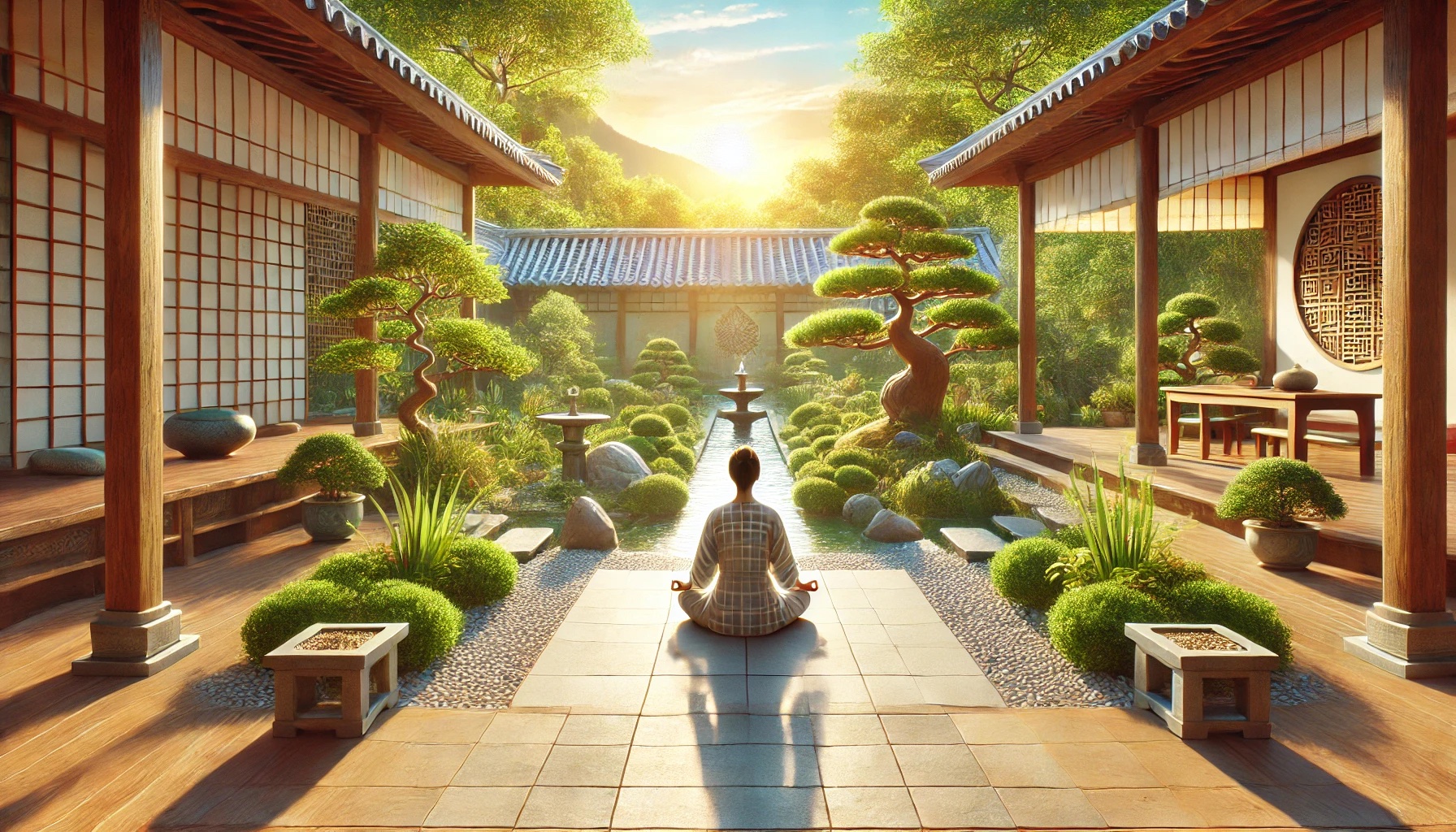
身体的放松与稳定,是所有身心练习的基础。透过放松肌肉、平稳身体姿态与建立安全感,身体才能为呼吸、心念与觉察提供稳定的支点,使练习更深入、更持久。
一、身体放松与稳定是什么?
身体的放松与稳定,是让身体从紧绷与僵硬中松开,同时建立一个自在、稳定且可持续的姿态。它既不是完全瘫软,也不是用力撑着,而是在松弛中保持结构,在稳定中保持柔软。
二、身体放松与稳定的基础
1.觉察紧绷部位:先感受身体哪些区域在用力。
2.释放不必要的力:让肩、胸、腹、背逐渐松开。
3.建立稳定姿态:脊椎自然延展、下盘稳固。
4.让呼吸带动松动:以呼吸作为身体放松的节奏。
5.找到安全感:身体稳定后,心才能真正安定。
三、身体放松与稳定的益处
1.减少疲劳累积:肌肉放松使身体更轻松。
2.提升呼吸质量:身体稳定使呼吸更深、更顺畅。
3.改善疼痛不适:松开肩颈与腰背可减轻压力累积。
4.提升专注力:身体稳定能减少外界干扰。
5.促进身心协调:身体放松带动情绪与心念也跟着松开。
四、实践身体放松与稳定的方法
1.调身坐姿:让脊椎直、肩放松、下盘稳。
2.深度扫描身体:从头到脚释放紧绷区域。
3.配合呼吸松动:吸气延展、呼气松开。
4.轻柔伸展:让身体恢复弹性与柔软。
5.找回重心:让重量自然落在下半身或坐骨。
五、关于身体放松的小知识
放松与无力有什么不同?
放松是松弛但有结构,无力是塌陷与失去支撑。
坐不稳是因为身体僵硬吗?
多半如此,僵硬会造成代偿,使身体难以安住。
身体放松需要很久吗?
不需要,持续几分钟即可感受明显变化。
总结
身体的放松与稳定,是身心练习的根基。只有当身体不再紧绷,并在稳定中找到柔软,呼吸与心念才能真正安定下来,使练习自然深入。
Date: 02/10/2024 02/11/2024
Location: Star Lake Meditation Center
Teacher: Sara
Sitting Meditation
Techniques for Physical Relaxation and Stability
Physical relaxation and stability form the foundation of all mind–body practices. By releasing muscular tension, stabilizing posture, and cultivating a sense of safety, the body becomes a steady support for breath, awareness, and mental clarity.
1. What Are Physical Relaxation and Stability?
Physical relaxation and stability refer to releasing unnecessary tension while maintaining a natural, sustainable posture. It is neither collapsing nor forcing, but remaining soft within structure and stable within ease.
2. Foundations of Physical Relaxation and Stability
1.Recognize areas of tension: Observe where the body is tightening.
2.Release unnecessary effort: Relax shoulders, chest, abdomen, and back.
3.Build a stable posture: Keep the spine naturally extended and the base grounded.
4.Let breath guide softening: Use breathing as the rhythm for relaxation.
5.Find a sense of safety: A stable body allows the mind to settle.
3. Benefits of Physical Relaxation and Stability
1.Reduced fatigue: Relaxed muscles feel lighter and more efficient.
2.Improved breathing quality: Stability allows deeper, smoother breathing.
3.Relief from tension and discomfort: Softening the neck, shoulders, and lower back eases pressure.
4.Enhanced focus: Physical stability reduces external distractions.
5.Better mind–body coordination: When the body relaxes, the mind naturally follows.
4. Ways to Practice Physical Relaxation and Stability
1.Postural alignment: Keep the spine upright, shoulders relaxed, and base grounded.
2.Body scanning: Release tightness from head to toe.
3.Breath–guided relaxation: Inhale to extend, exhale to soften.
4.Gentle stretching: Restore elasticity and softness.
5.Centering weight: Allow the body’s weight to settle naturally.
5. Facts About Physical Relaxation
What’s the difference between relaxation and collapse?
Relaxation has structure; collapse loses support.
Is instability caused by stiffness?
Often yes—stiffness leads to compensations that destabilize posture.
Does relaxation take long?
Only a few minutes of consistent practice are needed to feel changes.
Conclusion
Physical relaxation and stability create the foundation for deeper mind–body practice. When the body finds softness within steadiness, both breath and mind naturally settle, allowing the practice to unfold effortlessly.