时间:11/15/2025 11/16/2025
地点:星湖禅修中心
主讲:龙示林
打坐参禅
见山是山、见山不是山
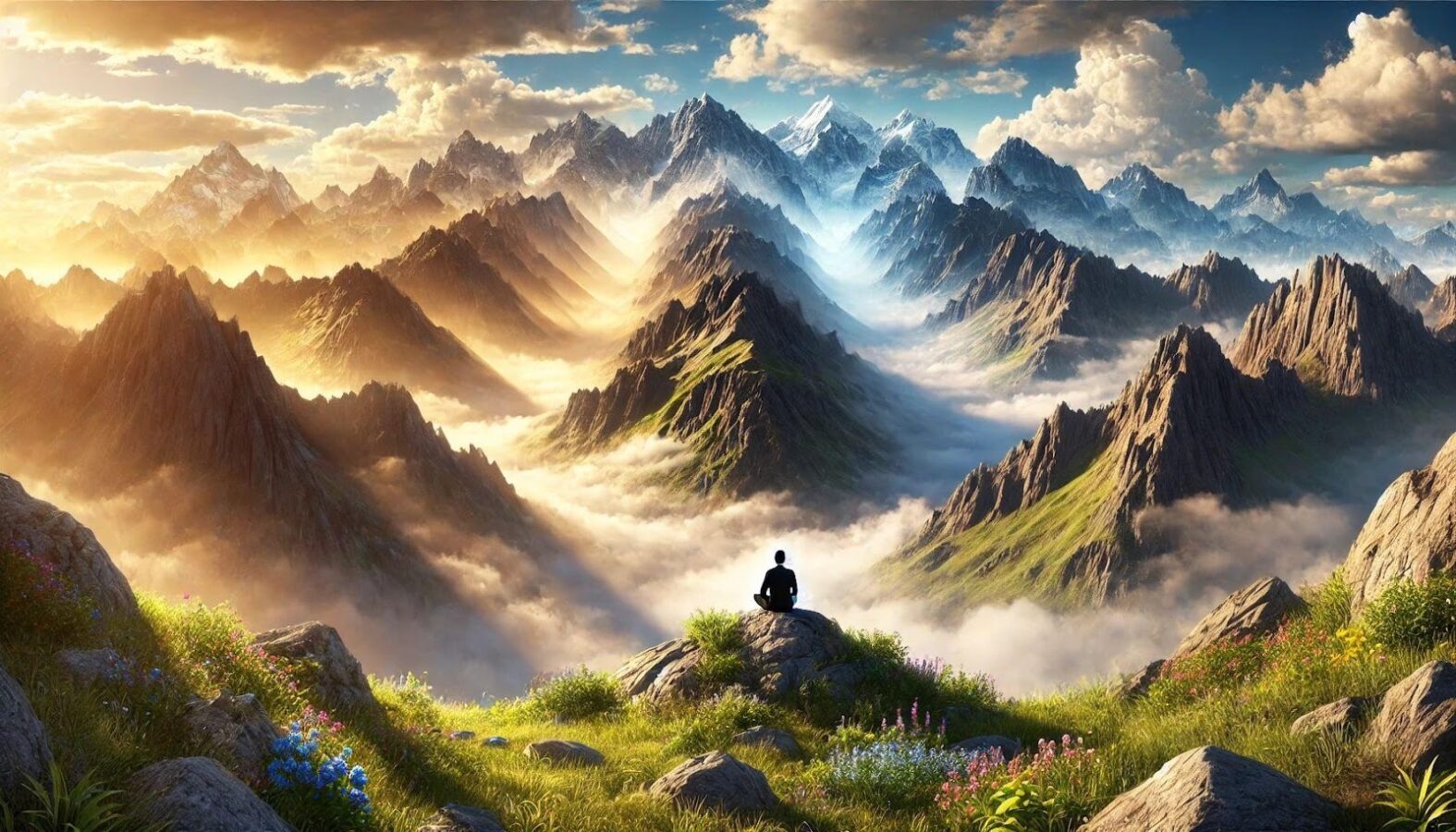
“见山是山,见山不是山,见山还是山”是禅宗最著名的三境界比喻,用来说明禅修者从凡夫到困惑再到悟境的心理历程。这句话并非谈论山的形状,而是形容“心的变化”。它展示了从以概念认识世界,到彻底打破概念,再到回归真实、自在、自然的觉悟之路。
一、第一境界:见山是山——以概念理解世界的阶段
1. 凡夫以表相为真实
看到什么就认为是什么。
2. 以逻辑、经验和知识判断
世界被理解为固定不变的事物。
3. 心依赖概念来认识
山是山、水是水、我就是我。
二、第二境界:见山不是山——概念崩解、直见无常
1. 通过禅修与觉知看到“无常”
山也在变化,心也在变,没有永恒不变的实体。
2. “山”的概念被打破
不再执着于语言与表象。
3. 进入疑惑、动摇与不稳的过渡期
旧观念崩解,新认知尚未成形。
三、第三境界:见山还是山——在无常中看见真实
1. 明白“山”是现象,但现象也是真实的一部分
不再否定世界,也不再执着世界。
2. 自然地接受表相与本质同时存在
形相不碍真性,真性不碍形相。
3. 回归平常心
不执着、不否定,不落两边。
四、三境界的真实含义:心的成熟,而非知识的变化
1. 第一境界:概念真实
未曾怀疑世界。
2. 第二境界:真相浮现
开始觉察“世界并不如想象那样实在”。
3. 第三境界:自在无碍
真实世界与觉性融为一体。
五、为何禅修者必经这三境界:见破、见空、见性
1. 见破:打破固有观念
意识到语言与概念都是虚构。
2. 见空:看见万法无常、无我
不再把世界当作固定实体。
3. 见性:在变化中看到不动的觉性
在现象中照见本心。
六、如何从“不是山”走向“还是山”:稳定觉知,不落两边
1. 不执着于空
空不是否定,而是通达。
2. 不排斥形
形象不是障碍,而是道的表达。
3. 在觉知中自然回归
觉知越稳定,世界越清晰。
七、禅宗教法中的意义:从幻象到真实的回归
1. 不是逃离世界,而是重新看待世界
山仍然是山,但心不再被其束缚。
2. 明白“真实”不是概念,而是体验
语言无法触及悟境。
3. 回归生活本身
觉性不是远离人群,而是照见日常。
总结
“见山是山、见山不是山、见山还是山”不是神秘教义,而是心从执着到觉醒的必然过程。第一境界是未悟,第二境界是破执,第三境界是融通。当人不再被概念束缚,不停留在否定与执着,而能以觉性照见万物时,一切都自然如是——山还是山,心却已经彻底不同。
Date: 11/15/2025 11/16/2025
Location: Star Lake Meditation Center
Teacher: Shilin Long
Sitting Meditation
Seeing Mountains as Mountains, Not Mountains, and Mountains Again
“Seeing mountains as mountains, not mountains, and mountains again” is one of the most iconic Zen metaphors. It describes the transformation of perception as one progresses from ordinary understanding, through conceptual breakdown, to awakened clarity. This teaching is not about mountains—it is about the evolution of the mind.
1. Stage One: Mountains Are Mountains — The Ordinary View
1. Taking appearances as reality
Seeing only the surface of things.
2. Understanding the world through logic and concepts
Belief in fixed, independent entities.
3. Relying on conceptual knowledge
Mountains are mountains; the self is the self.
2. Stage Two: Mountains Are Not Mountains — Concepts Collapse
1. Insight into impermanence through meditation
Everything is changing; nothing is fixed.
2. The concept of “mountain” dissolves
Words no longer define reality.
3. A transitional stage of doubt and instability
Old views fall apart; new insights have not yet matured.
3. Stage Three: Mountains Are Mountains Again — Reality Revisited
1. Seeing phenomena clearly without clinging
Appearance is appearance, but not mistaken for essence.
2. Accepting form and emptiness as one
The mountain is empty of self-nature yet still appears.
3. Returning to natural, effortless presence
A mind free of grasping and rejection.
4. The Three Stages Represent Inner Maturity, Not Knowledge
1. First stage: conceptual reality
Unexamined assumptions.
2. Second stage: insight into emptiness
Seeing that concepts cannot represent truth.
3. Third stage: clarity and ease
Appearing and emptying are one process.
5. Why These Stages Are Inevitable in Zen Practice
1. Breaking illusion
Seeing that what we took as real was constructed.
2. Realizing emptiness
Understanding that all phenomena lack fixed identity.
3. Seeing true nature
Recognizing awareness that holds all changes.
6. Transitioning From “Not Mountains” to “Mountains Again”
1. Do not cling to emptiness
Emptiness is liberation, not denial.
2. Do not reject appearances
Form expresses the Way.
3. Let awareness stabilize
With clarity, reality becomes simple and direct.
7. Meaning in Zen Teaching
1. Not escaping the world but seeing it rightly
Reality remains; suffering drops away.
2. Truth is experiential, not conceptual
Words cannot describe awakening.
3. Enlightenment returns to everyday life
Ordinary acts become expressions of clarity.
Conclusion
The teaching “mountains are mountains, not mountains, and mountains again” describes the journey from illusion to awakening.First is naive perception, second is conceptual deconstruction, and third is clarity without attachment.When the mind sees without grasping or rejecting, everything appears as it truly is—the mountain remains a mountain, yet the mind is utterly transformed.