时间:06/28/2025 06/29/2025
地点:星湖禅修中心
主讲:龙示林
佛法知识
坐禅的基本方法
坐禅,看似只是安静地坐着,实则是一门极为细腻而真实的修行方法。许多人初学坐禅时,容易将重点放在姿势是否标准、时间是否够长,或是否出现某种特殊感受,却忽略了坐禅真正的核心。坐禅的基本方法,并不是制造某种状态,而是建立一种稳定、清醒而不执取的觉知方式。
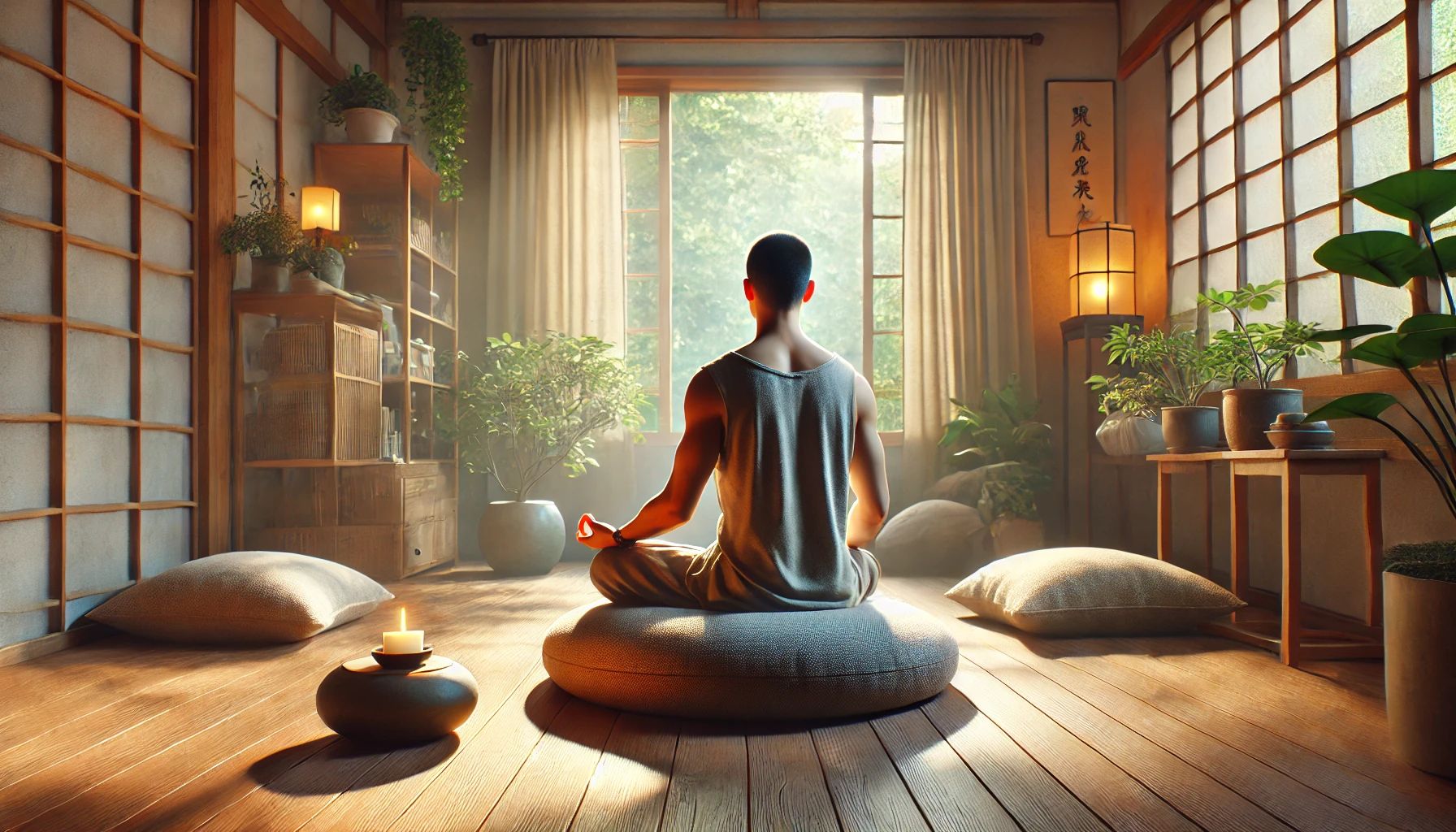
坐禅的第一要点,是身体的安稳。姿势并不追求僵硬的标准化,而强调稳定与放松的平衡。双腿可以结跏趺、半跏趺,或以自然舒适的方式盘坐,关键是身体能够长时间保持不动而不过度紧张。脊柱自然挺直,不刻意用力;头部端正,下巴微收;双肩放松,双手自然安放。身体的稳定,并不是目的本身,而是为心的安住提供条件。
当身体安顿下来后,坐禅的重点转向呼吸。呼吸不是被控制的对象,而是觉知的依托。修行者只是如实地觉知呼吸的出入,知道气息的长短、轻重与变化,而不刻意调整。若呼吸粗重,就觉知粗重;若呼吸细微,就觉知细微。坐禅并不追求特殊的呼吸状态,而是培养对正在发生之事的清楚觉察。
在坐禅过程中,念头不可避免地会生起。初学者往往误以为坐禅就是“没有念头”,于是对杂念产生排斥或焦虑。事实上,坐禅并不是让念头消失,而是学习与念头保持适当的关系。当念头出现时,只要知道“念头出现了”,不跟随、不压制,轻轻地回到呼吸或当下的觉知即可。每一次觉察走神并回归,都是坐禅真正的训练。
坐禅中的觉知,应当是清醒而放松的。若觉知过于用力,容易紧绷、头痛或烦躁;若觉知过于松散,又容易昏沉、恍惚。正确的方法,是在清楚中保持柔软,在专注中保持开放。觉知像一盏灯,照亮经验,却不去抓取经验。
随着练习的持续,身体感受、情绪与念头都会更加清晰地显现。坐禅并不是避开这些内容,而是让它们在觉知中自然呈现。身体的不适、情绪的波动、内心的抗拒,都是坐禅的一部分。修行者不需要急于解决或改变它们,只需如实地看见。这种不干预的看见,本身就具有转化的力量。
坐禅的基本方法,还包括对时间与期待的正确态度。初学时不必追求长时间久坐,关键在于稳定与持续。每天固定一段时间,哪怕不长,只要如实坐着、如实觉知,效果便会逐渐累积。同时,要放下对“坐得好不好”的评判。坐禅不是表现,而是练习;不是为了证明什么,而是为了看清什么。
在坐禅中,常见的偏差之一,是追求安静与排斥扰动。事实上,真正的坐禅并不依赖外在或内在的安静。即使环境嘈杂、内心纷乱,只要觉知存在,坐禅依然成立。安静不是前提,而是可能出现的结果;扰动也不是错误,而是观察的对象。
坐禅也不应与生活割裂。坐禅所培养的觉知,应当逐渐延续到行走、说话、工作与关系之中。若坐禅时似乎很安定,但一离开坐垫便完全失去觉察,说明坐禅尚未真正成熟。基本方法的关键,不在于坐禅本身多么深,而在于觉知是否开始融入生活。
长期坚持坐禅的人,会发现坐禅的“方法”逐渐变得简单。姿势不再成为负担,呼吸不再是刻意的对象,觉知也不再需要频繁提醒。此时,坐禅不再是“我在修行”的行为,而是一种自然的安住状态。这种转变,并非来自追求,而是来自反复、诚实与耐心的练习。
因此,坐禅的基本方法,可以归结为四个要点:身体安稳、呼吸如实、觉知清楚、态度放松。它不复杂,却不容易;不玄妙,却极其真实。只要愿意一次次坐下,如实面对当下的身心,坐禅便会在平凡中,逐步显现其深远的力量。
Date: 06/28/2025 06/29/2025
Location: Star Lake Meditation Center
Teacher: Shilin Long
Dharma Knowledge
The Basic Method of Seated Meditation
Seated meditation may appear to be nothing more than sitting quietly, yet it is a practice that is both subtle and deeply real. Beginners often focus on posture, duration, or the appearance of special experiences, while overlooking the true essence of the practice. The basic method of seated meditation is not about producing particular states, but about cultivating a stable, lucid, and non-grasping awareness.
The first essential element of seated meditation is bodily stability. Posture is not about rigid perfection, but about a balance between steadiness and ease. One may sit in full lotus, half lotus, or any comfortable seated position, as long as the body can remain still without strain. The spine is upright yet relaxed, the head balanced, the shoulders soft, and the hands resting naturally. Physical stability is not the goal itself, but the support that allows the mind to settle.
Once the body is settled, attention turns to the breath. The breath is not an object to be controlled, but an anchor for awareness. The practitioner simply knows the in-breath and out-breath as they are, noticing their length, texture, and change without interference. If the breath is coarse, it is known as coarse; if it is subtle, it is known as subtle. Seated meditation does not seek a special breathing pattern, but trains awareness to stay with what is actually occurring.
Thoughts will inevitably arise during meditation. Beginners often assume that meditation means “having no thoughts,” and become frustrated or anxious when distractions appear. In reality, meditation does not aim to eliminate thought, but to change one’s relationship to it. When a thought arises, one simply recognizes that “a thought has arisen,” without following or suppressing it, and gently returns to the breath or present awareness. Each recognition of distraction and return is the heart of the training.
Awareness in seated meditation should be clear yet relaxed. Excessive effort leads to tension, discomfort, or restlessness; too little effort leads to dullness or drifting. The correct approach is alert softness—clarity without rigidity, focus without contraction. Awareness functions like a light that illuminates experience without grasping it.
As practice continues, bodily sensations, emotions, and mental patterns become more vivid. Seated meditation does not avoid these phenomena, but allows them to appear within awareness. Physical discomfort, emotional movement, and inner resistance are not problems to be eliminated, but aspects of experience to be known. The practitioner does not need to fix or alter them; seeing them clearly without interference is already transformative.
Another important aspect of the basic method is a balanced attitude toward time and expectation. Beginners need not sit for long periods; consistency matters more than duration. Sitting at a regular time each day, even briefly, and meeting experience honestly allows the practice to accumulate naturally. Equally important is letting go of judgment about “good” or “bad” sittings. Meditation is not a performance, but a training; not a test to pass, but an opportunity to see clearly.
A common deviation in meditation is the pursuit of calm and the rejection of disturbance. Genuine meditation does not depend on internal or external quiet. Even in noise or mental turbulence, if awareness is present, meditation is intact. Calmness may arise, but it is not a prerequisite. Disturbance is not a mistake, but an object of observation.
Seated meditation should not be isolated from daily life. The awareness cultivated on the cushion is meant to extend into walking, speaking, working, and relating. If one appears calm while sitting but loses all awareness upon standing, the practice remains incomplete. The effectiveness of the method lies not in how deep meditation feels, but in how naturally awareness integrates into living.
With long-term practice, the “method” of seated meditation becomes increasingly simple. Posture no longer feels burdensome, the breath no longer requires deliberate attention, and awareness no longer needs constant correction. At this stage, meditation is no longer an activity of “doing practice,” but a natural state of presence. This shift comes not from striving, but from repetition, sincerity, and patience.
In essence, the basic method of seated meditation can be summarized in four points: a stable body, natural breathing, clear awareness, and a relaxed attitude. It is simple, yet not easy; plain, yet profoundly real. When one is willing to sit again and again and meet body and mind as they are, seated meditation gradually reveals its quiet and far-reaching power within ordinary experience.