时间:03/23/2024 03/24/2024
地点:星湖禅修中心
主讲:净真
佛法知识
佛陀的日常生活
理解佛陀的日常生活,并非为了描绘一位圣人的私人习惯,而是为了澄清一个常见误解:觉悟并不发生在超离现实的状态中,而是在最普通、最可重复的生活结构中完成并被维持。佛陀的日常生活,本身就是佛法如何落地运行的范例。
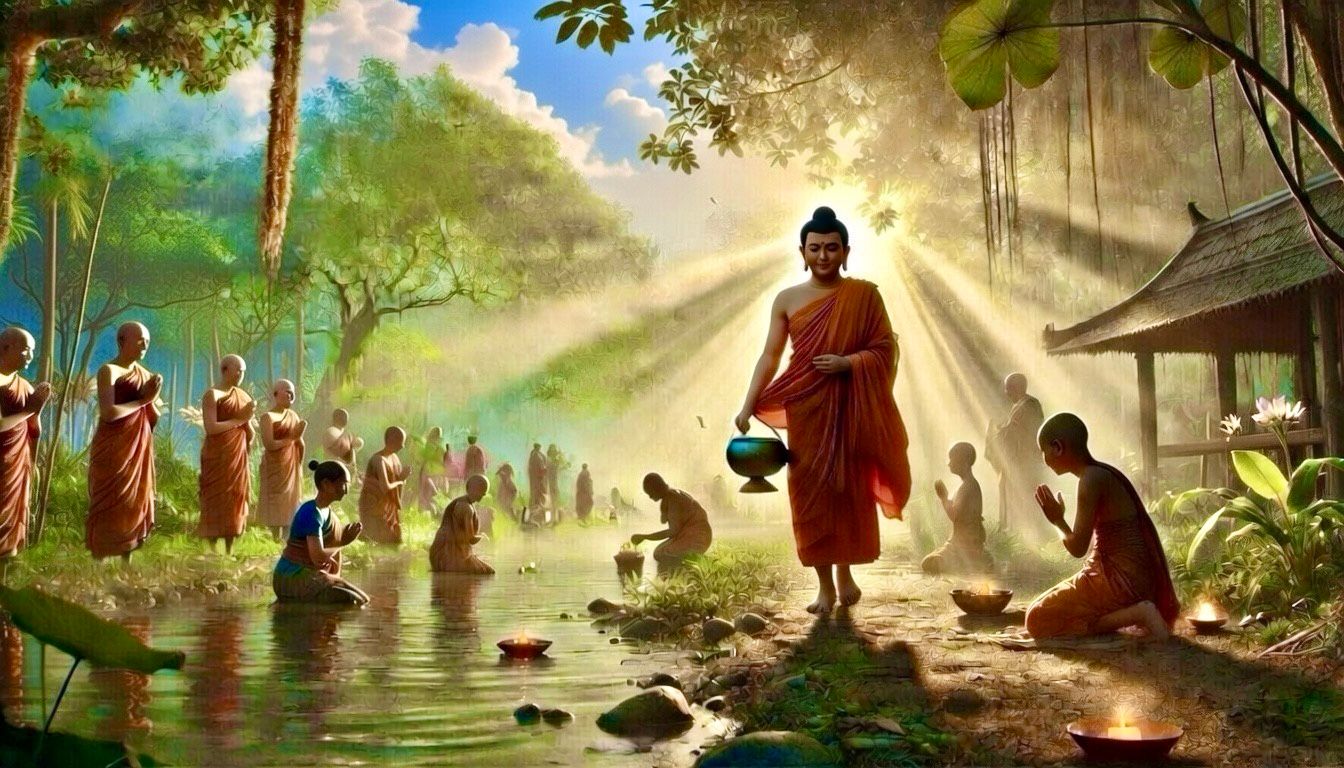
在弘法时期,佛陀并未脱离基本生活需求。他每日行乞取食,居无定所,随季节与环境而住。这种生活方式并非苦行,也非禁欲理想,而是刻意维持最低依赖条件,使身心不被占有、选择与积累所牵制。生活被简化,并非为了清贫的象征意义,而是为了减少认知干扰。
佛陀的作息具有高度规律性。清晨多用于独处与观察,日间行乞、进食与接触大众,傍晚与夜间则用于教导、答疑与个别指导。这样的节律,并非仪式要求,而是基于身心运作的现实条件:在心最清明、环境最稳定的时段进行深度观察,在人与人接触最频繁的时段承担社会互动。
在饮食方面,佛陀不讲究味觉满足,也不主张刻意压抑。他接受他人布施的食物,不因喜恶而挑拣,也不以“清净”“不清净”的观念作价值判断。进食的唯一标准是维持身体功能,使修行与教学得以继续。这一态度体现的是对欲望的理解与管理,而非否定。
佛陀的衣着极为简单,仅用于遮体与御寒。他拒绝装饰性与象征性服饰,也不通过外在形象建立权威。衣服的功能性被严格限定,避免身份、等级与角色意识的强化。这一选择,并非反社会,而是防止自我概念借助外物不断被重申。
在与人相处时,佛陀的态度并非疏离。他与弟子、在家众、国王、商人、乞者交谈,方式随对象而变,但原则一致:不迎合、不回避、不操纵。他回答问题时,专注于问题是否有助于减少无明与苦,而不是是否满足好奇或建立崇敬。若问题无助于解脱,佛陀往往保持沉默。
佛陀并未将全部时间用于讲法。他强调独处与静观的必要性,即使在觉悟之后,仍持续进行观察。这一点极为关键:觉悟不是一次性事件,而是一种需要在日常经验中不断校正的认知状态。日常生活本身,正是检验觉悟是否稳固的场域。
在面对疾病、衰老与身体不适时,佛陀并未表现出对肉身的否认或厌弃。他如实承认身体的限制,也接受医治与照料。这种态度表明,佛法并不要求否定身体经验,而是要求不在身体经验之上建立“我”与“我的苦”的认知结构。
佛陀的日常生活没有神秘化成分。没有持续的神迹展示,也没有通过异常行为制造神圣距离。他通过稳定、清醒、可预测的生活方式,表明解脱并不依赖特殊状态,而取决于对每一个普通经验的如实理解。
因此,佛陀的日常生活本身即是一种教学:生活可以被简化,欲望可以被管理,关系可以被清晰对待,觉知可以在行、住、坐、卧中持续。佛法并不发生在生活之外,而正是通过这样的生活方式,才得以被验证。
Date: 03/23/2024 03/24/2024
Location: Star Lake Meditation Center
Teacher: Sara
Dharma Knowledge
The Buddha’s Daily Life
Understanding the Buddha’s daily life is not an exercise in personal biography. Its purpose is to correct a common misconception: awakening does not occur in separation from ordinary life, but within it. The Buddha’s daily routine demonstrates how the Dharma functions under the most basic and repeatable conditions.
During his teaching years, the Buddha did not withdraw from fundamental human needs. He relied on daily alms for food and lived without permanent residence, adjusting to seasons and circumstances. This was neither asceticism nor symbolic poverty. It was a deliberate minimization of dependence, reducing the mental burden created by ownership, choice, and accumulation. Life was simplified not as an ideal, but as a cognitive strategy.
His daily schedule was highly regular. Mornings were often reserved for solitude and observation; daytime for alms rounds, eating, and interaction with the wider community; evenings and nights for teaching, discussion, and individual guidance. This rhythm was not ritualized, but practical—aligned with bodily function, mental clarity, and social availability.
Regarding food, the Buddha neither pursued sensory pleasure nor practiced deliberate deprivation. He accepted what was offered without preference, avoiding judgments based on taste, purity, or status. Eating served a single purpose: sustaining the body so practice and teaching could continue. This reflects understanding and regulation of desire, not its denial.
His clothing was minimal and strictly functional. It served only to cover and protect the body. The Buddha rejected decorative or symbolic attire and did not cultivate authority through appearance. By limiting clothing to necessity, he avoided reinforcing identity, rank, or role through external markers.
In social interaction, the Buddha was not detached. He spoke with monastics, householders, rulers, merchants, laborers, and outcasts. His manner adapted to the listener, but his criterion remained constant: whether a discussion reduced ignorance and suffering. Questions that did not serve this aim were often met with silence, not out of evasion, but precision.
The Buddha did not spend all his time teaching. Even after awakening, he emphasized the necessity of solitude and continued observation. Awakening was not treated as a static achievement, but as a cognitive condition that required ongoing verification in lived experience. Daily life itself was the testing ground.
When faced with illness, aging, and physical discomfort, the Buddha did not reject the body or deny its limitations. He acknowledged physical pain and accepted care when needed. This demonstrates that the Dharma does not negate bodily experience; it prevents the construction of identity and suffering on top of it.
There was nothing theatrical or mystical in his daily conduct. No constant display of miracles, no cultivation of sacred distance through abnormal behavior. Through steady, lucid, and predictable living, the Buddha showed that liberation does not rely on extraordinary states, but on accurate understanding of ordinary experience.
In this sense, the Buddha’s daily life was itself instruction. Life can be simplified, desire regulated, relationships clarified, and awareness sustained in walking, standing, sitting, and lying down. The Dharma is not found outside daily life; it is verified precisely through it.