时间:01/31/2026 02/01/2026
地点:星湖禅修中心
主讲:龙示林
斋食养生
紫甘蓝的抗氧化能力
简介
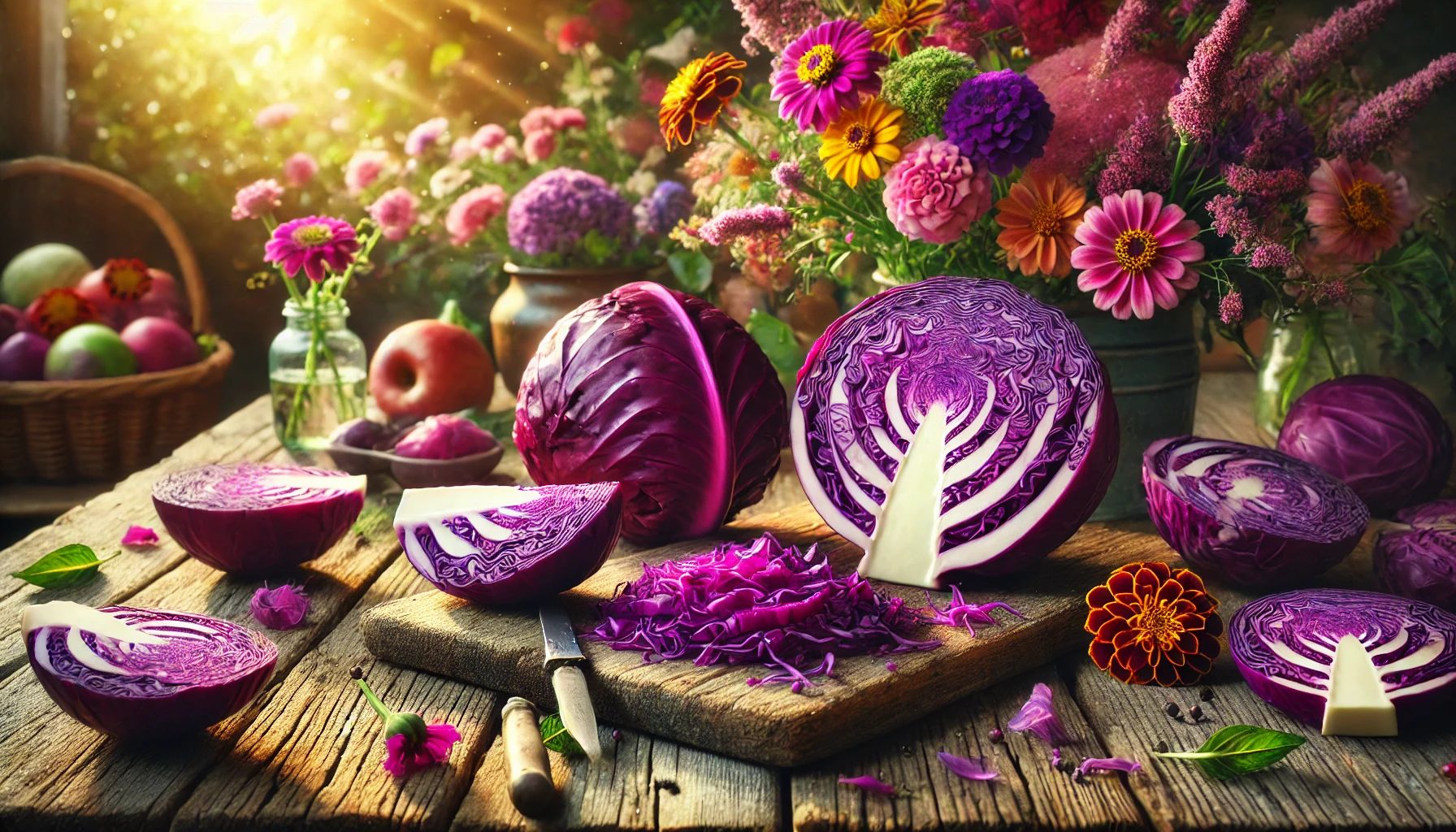
紫甘蓝是一种色泽鲜艳、营养密度极高的十字花科蔬菜,其紫红色主要来源于丰富的花青素。花青素属于强效抗氧化的植物多酚类物质,能够有效清除自由基、减轻氧化应激,并在延缓衰老、保护心血管和降低慢性疾病风险方面发挥重要作用。结合维生素C、维生素K及多种硫代葡萄糖苷,紫甘蓝在抗氧化领域表现尤为突出。本文将从抗氧化成分、作用机制及健康价值等方面进行解析。
一、紫甘蓝的主要抗氧化成分
1.花青素:含量显著高于绿甘蓝,是其抗氧化能力的核心来源。
2.维生素C:水溶性抗氧化剂,协同清除体内自由基。
3.多酚类物质:包括黄酮和酚酸,具有抗炎与抗氧化双重作用。
4.硫代葡萄糖苷:在体内转化为异硫氰酸盐,参与抗氧化与解毒过程。
5.维生素K与矿物质:支持细胞代谢与抗氧化系统稳定。
二、抗氧化作用机制
1.清除自由基:花青素能有效中和活性氧,减少细胞氧化损伤。
2.抑制脂质过氧化:保护细胞膜与血管内皮免受氧化破坏。
3.降低炎症水平:抗氧化与抗炎协同,减少慢性炎症相关风险。
4.支持解毒系统:促进肝脏抗氧化酶活性,提升解毒能力。
三、健康益处
1.延缓衰老:减少氧化应激对皮肤与组织的损害。
2.心血管保护:改善血管弹性,降低动脉硬化风险。
3.增强免疫力:抗氧化成分支持免疫细胞正常功能。
4.辅助防癌:与降低结直肠癌、乳腺癌等风险相关。
四、食用建议
1.最佳食用方式:生食(沙拉)或轻度快炒,保留花青素活性。
2.搭配建议:与橄榄油、坚果等健康脂肪同食,提升多酚利用率。
3.适宜人群:关注抗氧化、心血管健康及防衰老人群。
4.注意事项:肠胃较弱者可选择熟食,减少生食刺激。
Date: 01/31/2026 02/01/2026
Location: Star Lake Meditation Center
Teacher: Shilin Long
Buddhist Diet and Regimen
Antioxidant Capacity of Red Cabbage
Summary
Red cabbage is a vibrant cruciferous vegetable with exceptionally high antioxidant potential. Its deep purple color comes primarily from anthocyanins—powerful polyphenolic compounds known for their ability to neutralize free radicals and reduce oxidative stress. Combined with vitamin C, vitamin K, and glucosinolates, red cabbage plays an important role in anti-aging, cardiovascular protection, and chronic disease prevention. This article explores its antioxidant compounds, mechanisms, and health benefits.
1. Key Antioxidant Compounds
1.Anthocyanins: Present in much higher amounts than in green cabbage, forming the core antioxidant activity.
2.Vitamin C: A water-soluble antioxidant that works synergistically with polyphenols.
3.Polyphenols: Including flavonoids and phenolic acids with antioxidant and anti-inflammatory effects.
4.Glucosinolates: Converted into isothiocyanates that support antioxidant defense and detoxification.
5.Vitamin K and Minerals: Help maintain metabolic balance and antioxidant system stability.
2. Mechanisms of Antioxidant Action
1.Free Radical Scavenging: Anthocyanins neutralize reactive oxygen species and reduce cellular damage.
2.Prevents Lipid Peroxidation: Protects cell membranes and vascular endothelium from oxidative injury.
3.Reduces Inflammation: Antioxidant and anti-inflammatory actions work together to lower chronic inflammation.
4.Supports Detox Pathways: Enhances liver antioxidant enzyme activity and detox capacity.
3. Health Benefits
1.Anti-Aging Effects: Reduces oxidative stress-related damage to skin and tissues.
2.Cardiovascular Protection: Improves vascular elasticity and lowers atherosclerosis risk.
3.Immune Support: Antioxidants help maintain proper immune cell function.
4.Cancer Risk Reduction: Associated with reduced risk of colorectal and breast cancers.
4. Consumption Tips
1.Best Ways to Eat: Raw in salads or lightly stir-fried to preserve anthocyanins.
2.Pairing Suggestions: Combine with healthy fats like olive oil or nuts to improve polyphenol absorption.
3.Best For: Individuals seeking antioxidant support, cardiovascular health, and anti-aging benefits.
4.Notes: People with sensitive digestion may prefer cooked preparations over raw.