时间:09/20/2025 09/21/2025
地点:星湖禅修中心
主讲:龙示林
打坐参禅
禅修中的光影现象辨别
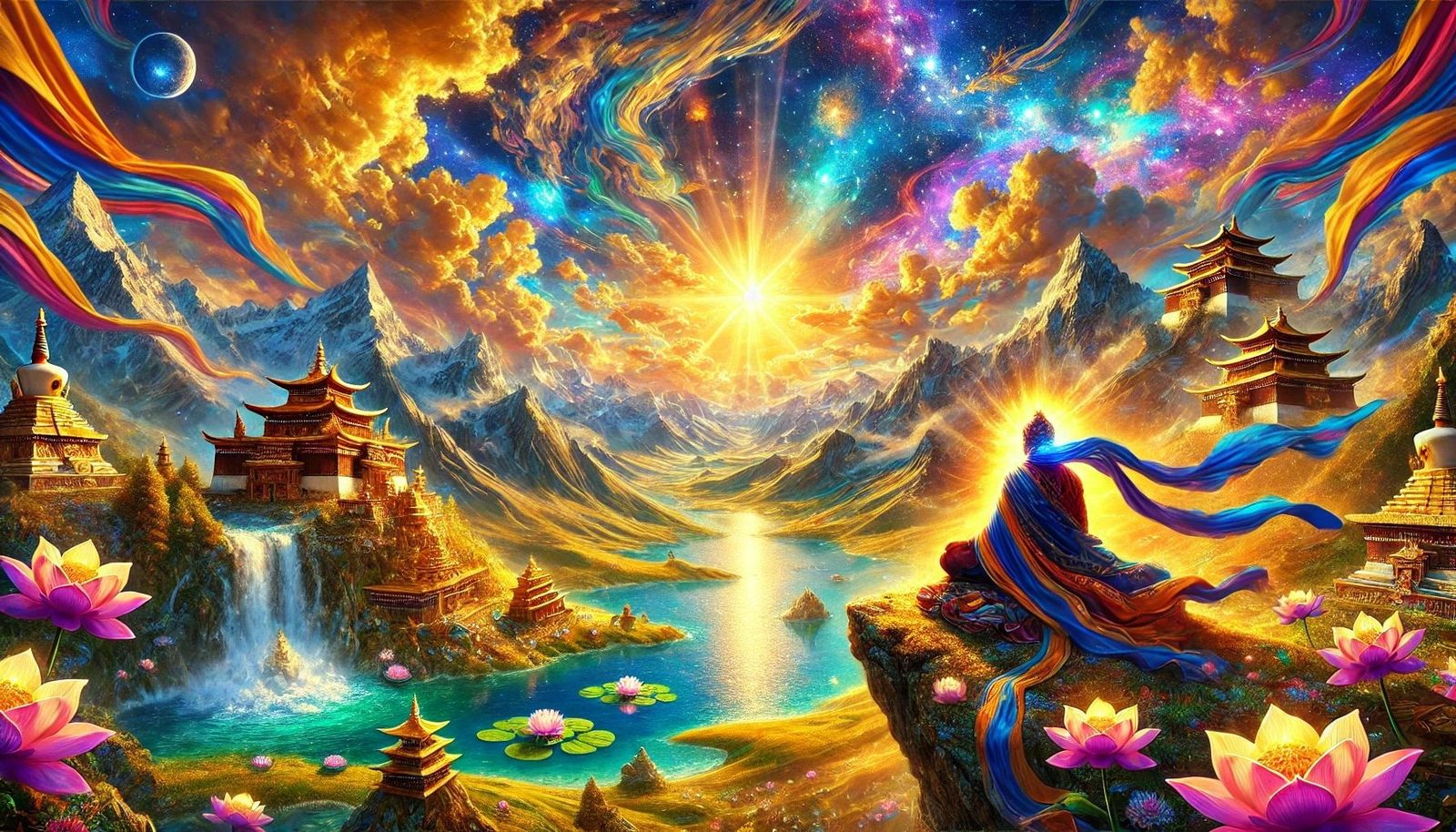
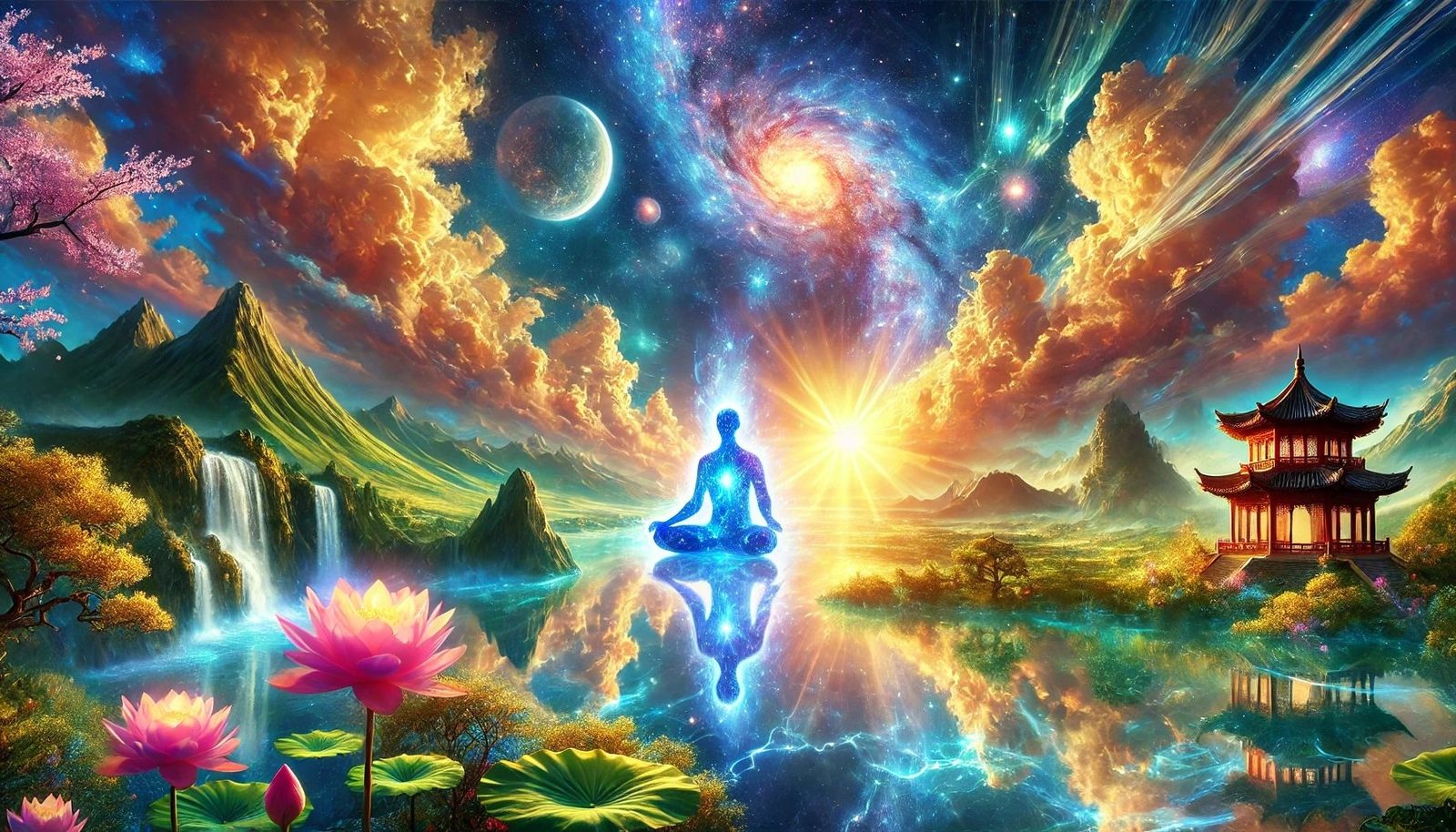
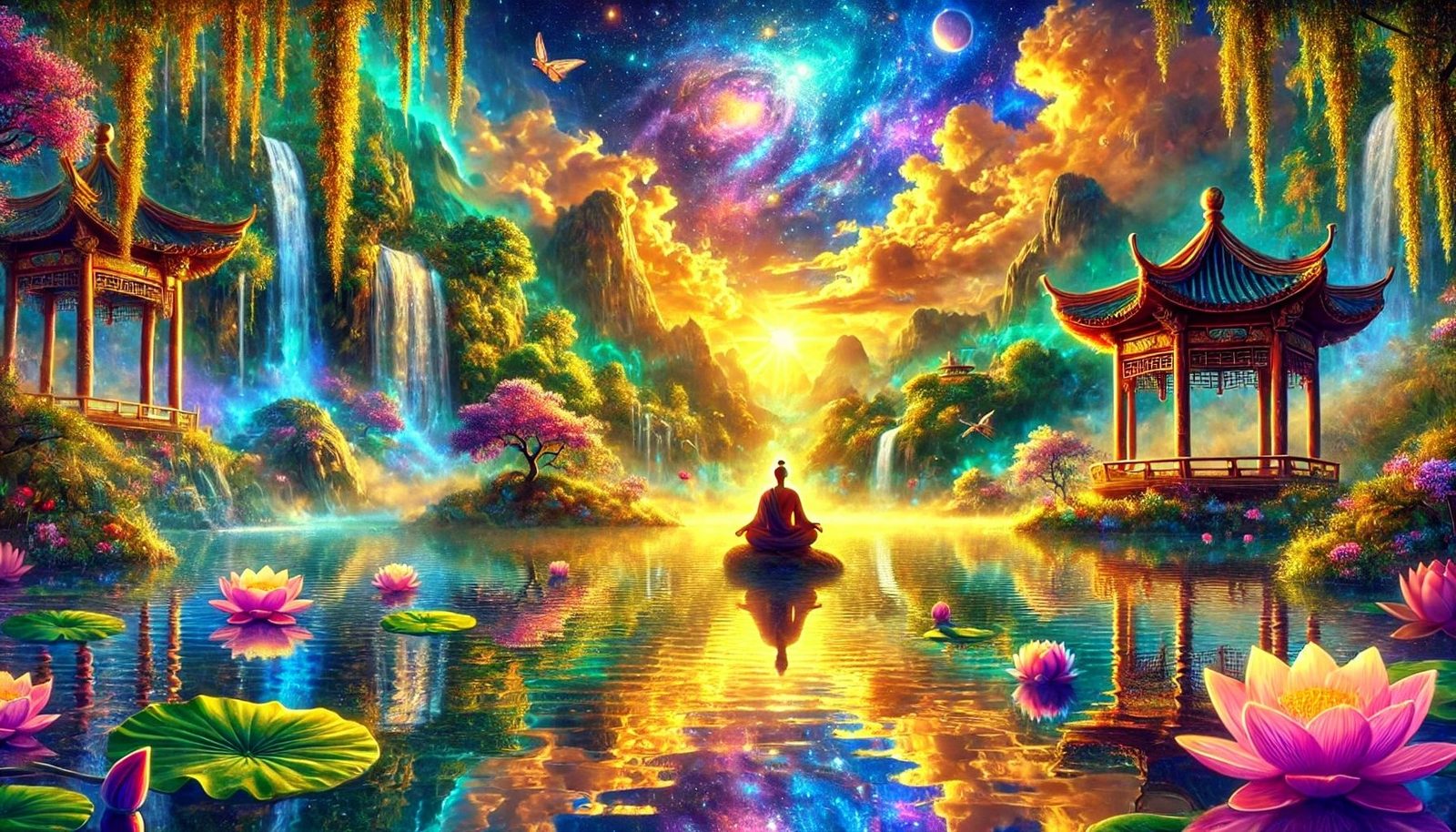
许多禅修者在进入较深的放松与专注时,会出现各种形式的“光影现象”,如亮光、色点、光圈、影像般的波纹等。这些现象并不稀奇,也不是神秘体验,而是身心放松、专注力提高后产生的自然视觉与意识变化。正确了解这些现象,能帮助禅修者避免误解,不执着、不恐惧,在稳定的觉知中继续深入修行。
一、光影现象是什么:专注与放松的自然产物
1. 身心放松后的视觉回声
闭目时视觉神经仍会产生弱电反应,形成光点或光纹。
2. 大脑进入深度静定后的图像化活动
越静,脑部讯号越敏感,光影就越明显。
3. 并非超自然现象
大部分光影都有清晰的心理与生理机制。
二、光影现象的常见类型:亮光、色彩、纹路与影像
1. 光点与亮光
如夜空中闪烁的星点,是最常见的视觉反应。
2. 色彩变化
蓝光、白光、紫光、金光等由神经讯号产生,无特定意义。
3. 流动光纹
像水波、云雾一般,是觉知细腻后的自然影像。
4. 模糊影像或场景
像梦般的画面,是大脑深度放松后的意象活动。
三、为何禅修中会出现光影:三大机制
1. 生理机制:视觉神经的自然放电
闭眼时神经仍有活动,形成内在光影。
2. 心理机制:专注力增强,觉知变敏锐
越安静,细微讯号越容易被察觉。
3. 意识机制:妄想与意象活动微弱浮现
平日不易察觉的心理影像,在禅修中变清晰。
四、光影是否意味着修行进步?不要过度解读
1. 光影出现不代表开悟
只是身心放松后的自然现象。
2. 某些光感只是注意力集中后的副产品
像摄影机光圈调节,非深定的象征。
3. 禅修的目标不是追光
追逐光影会使心散乱、执着。
五、如何正确面对应光影:不追、不拒、不动心
1. 不追:不期待、不刻意制造
越想要光影,越容易偏离禅修目标。
2. 不拒:也不需要害怕
光影无害,只是影像化的觉知现象。
3. 不动心:继续回到主要对象
如呼吸、身体触点,不让光影夺走注意力。
六、何时光影可能代表问题?需增加觉知的情况
1. 光影过于鲜明,伴随情绪兴奋
表示可能进入“用力过度”。
2. 光影导致失去观察目标
说明注意力被影像牵走,需要重新安住。
3. 出现强烈恐惧或不适
可能是紧绷或压抑造成的,需要放松与调整。
七、光影现象的修行意义:它是心的镜子,而非目标
1. 光影显示心的敏感度提升
觉知变细腻,是正常进展。
2. 光影提醒保持中道
不兴奋,不恐惧,只是观察。
3. 光影帮助学习“见相非相”
现象来、现象去,心中保持如实、平等。
总结
禅修中的光影现象普遍且自然,不需惊喜,也无需惧怕。光影不是修行成就,也不是障碍,而是让我们练习“不执着、不追逐、如实观照”的修行教材。当禅修者能安住于主要对象,不被光影扰动,心便越来越稳定、清净与明亮。
Date: 09/20/2025 09/21/2025
Location: Star Lake Meditation Center
Teacher: Shilin Long
Sitting Meditation
Recognizing Light and Visual Phenomena in Meditation
During deeper relaxation and concentration, many meditators experience “light phenomena”—flashes, colors, glowing dots, or wave-like shadows. These experiences are natural effects of physiology and attention, not supernatural signs. Understanding them prevents confusion and helps maintain stable awareness.
1. What Are Light Phenomena? Natural Results of Relaxation and Focus
1. Residual activity in the visual system
Even with eyes closed, visual neurons fire weak signals.
2. Heightened sensory awareness
A calm mind perceives subtle internal signals more clearly.
3. Not supernatural
Most visual phenomena have a clear physiological or psychological basis.
2. Common Types of Light and Visual Experiences
1. Light dots or flashes
Like tiny stars appearing and fading.
2. Color fields
White, gold, blue, purple—simply neural signals.
3. Flowing patterns
Water-like, cloud-like, or wave-like motions.
4. Vague images or scenes
Dream-like images during deep relaxation.
3. Why Visual Phenomena Occur in Meditation
1. Physiological activation
The visual cortex produces spontaneous signals.
2. Psychological sensitivity
Focused attention makes subtle experiences noticeable.
3. Mental imagery
Subtle thoughts and memories manifest as inner images.
4. Do Light Phenomena Indicate Progress? Avoid Misinterpretation
1. Not signs of awakening
They do not represent spiritual attainment.
2. Often the byproduct of concentration
Not the essence of deep meditation.
3. Chasing lights leads to distraction
Making them a goal disrupts true practice.
5. How to Respond Properly: Neither Pursue nor Resist
1. Do not chase
Expectation makes the mind tense.
2. Do not resist
Light phenomena are harmless.
3. Stay with your primary object
Breath or body awareness should remain central.
6. When Light Phenomena Require Attention
1. When excitement arises
Indicating over-effort or imbalance.
2. When you lose the main object
Means attention has drifted into fantasy.
3. When fear or discomfort emerges
A sign of tension or misunderstanding.
7. The Value of Light Phenomena in Practice
1. Indicates increased sensitivity
Awareness becomes more refined.
2. Trains non-attachment
Learning to observe without clinging.
3. Teaches “seeing appearances as appearances”
They arise and pass—nothing to grasp.
Conclusion
Light and visual phenomena in meditation are neither achievements nor obstacles.They are natural manifestations of a relaxed and attentive mind.When practitioners stay centered, treating phenomena with equanimity, meditation deepens into true tranquility and clarity.