时间:02/22/2025 02/23/2025
地点:星湖禅修中心
主讲:龙示林
斋食养生
斋食对血压的影响
简介
高血压是全球范围内常见的慢性疾病之一,与心血管疾病的发生密切相关。饮食习惯在血压管理中起着至关重要的作用,而斋食由于富含植物性食物、低饱和脂肪和高膳食纤维,被认为对血压有积极的调节作用。本文将探讨斋食如何影响血压,并提供科学合理的饮食建议,以帮助维持血压健康。
一、斋食如何帮助降低血压
1.减少饱和脂肪摄入:斋食不包含动物性脂肪,避免了红肉、加工肉类等高饱和脂肪食物,从而降低胆固醇水平,减少血管硬化的风险。
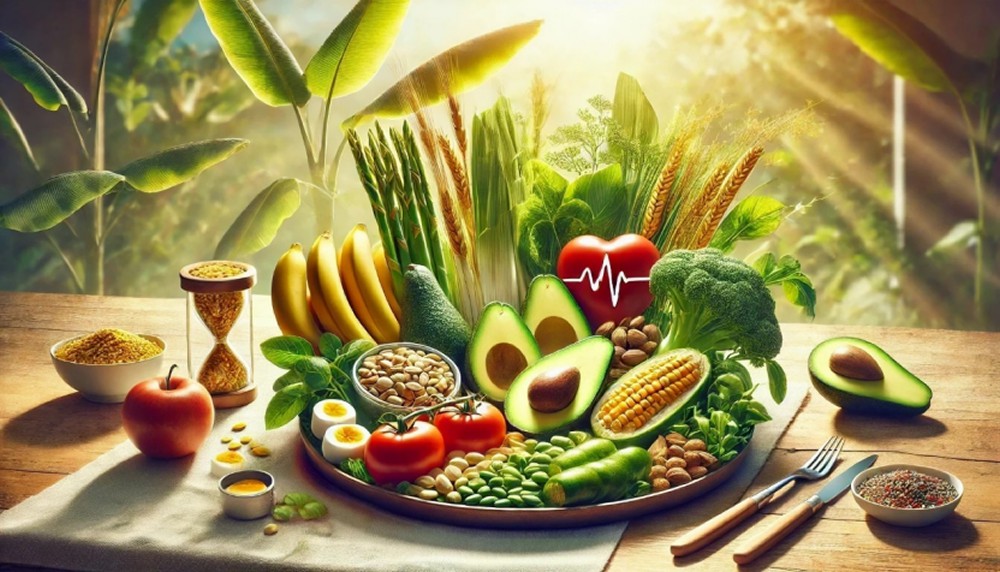
2.富含钾元素,促进血压平衡:钾有助于调节血管扩张,降低钠的负面影响。斋食富含钾元素的食物包括香蕉、红薯、菠菜和豆类。
3.高膳食纤维促进血管健康:全谷物、豆类和蔬菜中的膳食纤维有助于降低胆固醇,改善血液循环,维持血压稳定。
4.减少钠摄入:斋食通常避免加工食品,而加工食品往往含有大量的钠,过量钠摄入是导致高血压的主要因素之一。
二、斋食的最佳血压管理食材
1.富含钾的食物:香蕉、红薯、菠菜、鳄梨,这些食物能帮助平衡血钠,降低血压。
2.高镁食物:坚果、豆类、全谷物中的镁元素有助于放松血管,改善血压水平。
3.富含抗氧化物的食物:蓝莓、胡萝卜、番茄等富含抗氧化剂,能减少氧化应激对血管的损害。
4.健康脂肪来源:橄榄油、亚麻籽、核桃富含不饱和脂肪酸,有助于维护心血管健康。
三、避免可能升高血压的食物
1.高盐食品:腌制食品、加工食品、咸菜等含盐量高,应减少摄入。
2.过度精加工食品:白面包、糕点等高升糖指数食物可能影响血糖和血压稳定。
3.含糖饮料:过量糖分会增加血压风险,应选择天然饮品,如绿茶或温水柠檬。
四、斋食如何在日常生活中帮助维持健康血压
1.均衡饮食:搭配富含钾、镁、膳食纤维和健康脂肪的食材,保持营养均衡。
2.控制盐摄入:尽量选择新鲜食材,减少加工食品,并使用天然香料如柠檬、姜、蒜来调味。
3.保持良好生活习惯:搭配适量运动、规律作息和减压方式,如冥想或瑜伽,以辅助血压管理。
Date: 02/22/2025 02/23/2025
Location: Star Lake Meditation Center
Teacher: Shilin Long
Buddhist Diet and Regimen
The Impact of a Vegetarian Diet on Blood Pressure
Summary
Hypertension is a common chronic disease worldwide and is closely related to cardiovascular health. Diet plays a crucial role in blood pressure management. A vegetarian diet, rich in plant-based foods, low in saturated fat, and high in dietary fiber, is considered beneficial for regulating blood pressure. This article explores how a vegetarian diet affects blood pressure and provides dietary recommendations for maintaining healthy blood pressure levels.
1. How a Vegetarian Diet Helps Lower Blood Pressure
1.Reduced Saturated Fat Intake: A vegetarian diet eliminates animal fats, avoiding red meat and processed meats high in saturated fat, which helps lower cholesterol and reduce arterial stiffness.
2.Rich in Potassium for Blood Pressure Balance: Potassium aids in blood vessel relaxation and counteracts the negative effects of sodium. Vegetarian diets are abundant in potassium-rich foods such as bananas, sweet potatoes, spinach, and legumes.
3.High in Dietary Fiber for Vascular Health: Whole grains, legumes, and vegetables contain fiber that helps lower cholesterol, improve circulation, and stabilize blood pressure.
4.Lower Sodium Intake: Vegetarian diets often avoid processed foods, which are high in sodium—a major contributor to high blood pressure.
2. Best Vegetarian Foods for Blood Pressure Management
1.Potassium-Rich Foods: Bananas, sweet potatoes, spinach, and avocados help balance sodium levels and lower blood pressure.
2.Magnesium-Rich Foods: Nuts, legumes, and whole grains contain magnesium, which helps relax blood vessels and improve blood pressure levels.
3.Antioxidant-Rich Foods: Blueberries, carrots, and tomatoes are packed with antioxidants that reduce oxidative stress on blood vessels.
4.Healthy Fat Sources: Olive oil, flaxseeds, and walnuts provide unsaturated fats that support cardiovascular health.
3. Foods to Avoid That May Raise Blood Pressure
1.High-Sodium Foods: Pickled foods, processed foods, and salty snacks should be limited.
2.Overly Processed Foods: White bread, pastries, and high-glycemic foods can affect blood sugar and blood pressure stability.
3.Sugary Beverages: Excess sugar intake may increase blood pressure risk; opt for natural drinks like green tea or warm lemon water instead.
4. How to Maintain Healthy Blood Pressure with a Vegetarian Diet
1.Balanced Meals: Incorporate foods rich in potassium, magnesium, fiber, and healthy fats for optimal nutrition.
2.Control Sodium Intake: Choose fresh ingredients, limit processed foods, and use natural seasonings like lemon, ginger, and garlic for flavoring.
3.Adopt Healthy Lifestyle Habits: Combine a balanced diet with regular exercise, proper sleep, and stress management techniques such as meditation or yoga for effective blood pressure control.