时间:06/01/2024 06/02/2024
地点:星湖禅修中心
主讲:Otto Huang
斋食养生
芋头
芋头:口感软糯的高纤根茎类食物
一、芋头是什么?
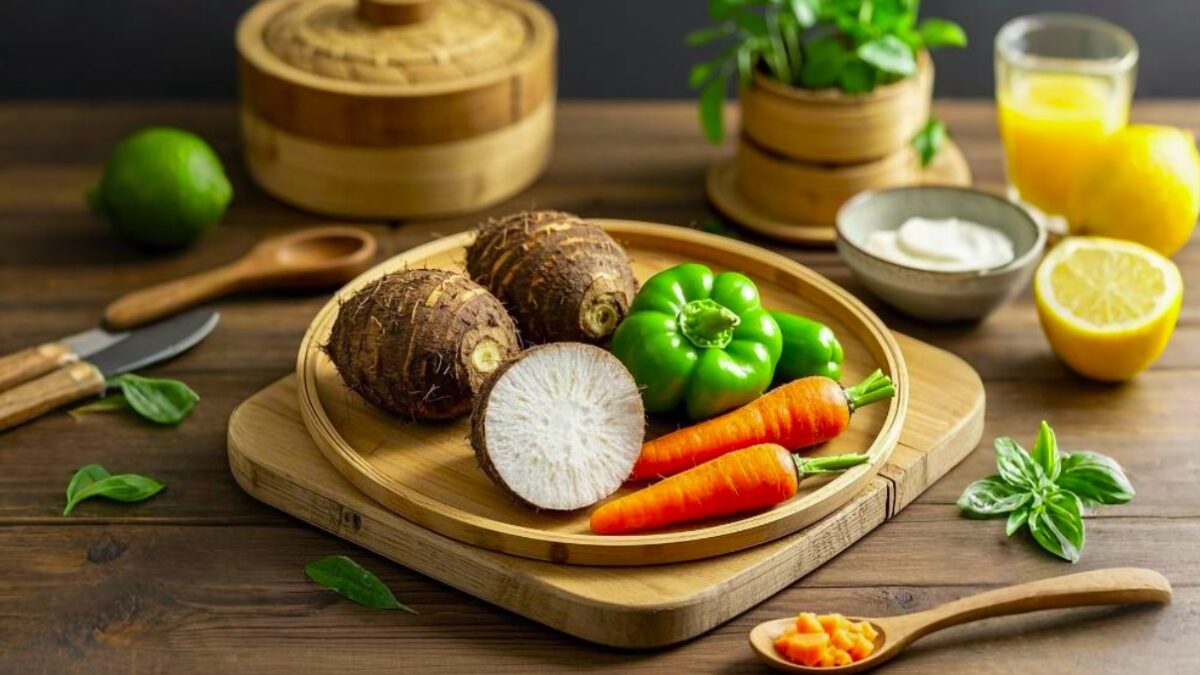
芋头(学名:Colocasia esculenta)是一种富含淀粉的根茎类食物,广泛种植于热带和亚热带地区。它的外皮粗糙,内里质地细腻,蒸煮后口感软糯香甜,适合作为主食或配料,深受各地人们喜爱。
二、芋头的营养价值
芋头是一种营养丰富的食材,含有多种维生素和矿物质,主要包括:
1.膳食纤维:促进肠道蠕动,改善消化系统健康。
2.复合碳水化合物:提供稳定能量,适合作为主食。
3.维生素C:增强免疫力,促进胶原蛋白合成。
4.钾:帮助维持体内水分平衡,调节血压。
5.镁:支持骨骼健康,维持神经系统稳定。
三、芋头的健康益处
1.促进消化:富含膳食纤维,有助于改善肠道健康。
2.有助于控制血糖:低升糖指数(GI)食物,适合均衡饮食。
3.支持心血管健康:钾有助于降低血压,保护心血管系统。
4.增强免疫力:维生素C和抗氧化物质有助于提高免疫防御力。
5.帮助体重管理:高纤维、低脂肪特性,使其成为健康饮食的良好选择。
四、芋头的食用方式
1.蒸煮:口感绵密,可直接食用或作为配料。
2.炖煮:搭配其他食材煮汤,增加汤品的香甜口感。
3.烘烤:切片后烤制,口感外脆内糯。
4.炒制:搭配调味料炒制,增加风味。
5.制作甜品:可用于芋泥、芋头糕、芋头汤等甜品。
五、关于芋头的小知识
如何挑选优质芋头?
选择外皮干燥、无腐烂、质地坚硬的芋头最佳。
芋头可以生吃吗?
不建议生吃,生芋头含有草酸钙,可能引起口腔不适,需加热后食用。
如何存放芋头?
存放于阴凉干燥处,避免受潮和发芽。
总结
芋头是一种富含膳食纤维、维生素C、钾和镁的根茎类食物,有助于消化、维持血糖稳定、增强免疫力,并支持心血管健康。无论是蒸煮、烘烤还是制作甜品,芋头都是理想的饮食选择。
Date: 06/01/2024 06/02/2024
Location: Star Lake Meditation Center
Teacher: Otto Huang
Buddhist Diet and Regimen
Taro
Taro: A Nutritious and Creamy Root Vegetable
1. What is Taro?
Taro (Colocasia esculenta) is a starchy root vegetable grown in tropical and subtropical regions. It has a rough, fibrous outer skin and a smooth, creamy interior. When cooked, taro becomes soft and slightly sweet, making it a versatile ingredient in both savory and sweet dishes.
2. Nutritional Value of Taro
Taro is a high-fiber, nutrient-rich food with essential health benefits, including:
1.Dietary Fiber: Supports digestion and promotes gut health.
2.Complex Carbohydrates: Provides sustained energy and serves as a great staple food.
3.Vitamin C: Enhances immune function and aids in collagen production.
4.Potassium: Helps maintain fluid balance and regulates blood pressure.
5.Magnesium: Supports bone health and nervous system stability.
3. Health Benefits of Taro
1.Aids Digestion: High fiber content helps regulate gut bacteria and improve digestion.
2.Regulates Blood Sugar Levels: Low glycemic index (GI) helps maintain stable blood sugar.
3.Supports Heart Health: Potassium helps lower blood pressure and reduce cardiovascular risks.
4.Boosts Immunity: Vitamin C and antioxidants help combat oxidative stress and support immune function.
5.Aids in Weight Management: High fiber and low-fat content make it a healthy dietary option.
4. Best Ways to Eat Taro
1.Steamed or Boiled: Simply cooked to retain its natural flavor and creamy texture.
2.Simmered in Soups: Enhances the sweetness and texture of soups and stews.
3.Baked or Roasted: Sliced and roasted for a crispy outside and soft inside.
4.Stir-Fried: Lightly seasoned and stir-fried for a flavorful dish.
5.Used in Desserts: Ideal for making taro paste, taro cake, or sweet taro soup.
5. Interesting Facts About Taro
How to choose the best taro?
Look for firm, dry, and unblemished taro roots.
Can taro be eaten raw?
No, raw taro contains calcium oxalate, which can cause irritation; it must be cooked before consumption.
How should taro be stored?
Keep it in a cool, dry place to prevent sprouting and moisture buildup.
Conclusion
Taro is a nutritious and versatile root vegetable packed with fiber, vitamin C, potassium, and magnesium. Regular consumption supports digestion, maintains blood sugar stability, boosts immunity, and promotes heart health. Whether steamed, baked, or used in desserts, taro is a delicious and healthy addition to any diet.