时间:10/26/2024 10/27/2024
地点:星湖禅修中心
主讲:Otto Huang
斋食养生
秋葵
秋葵:富含膳食纤维的营养蔬菜
一、秋葵是什么?
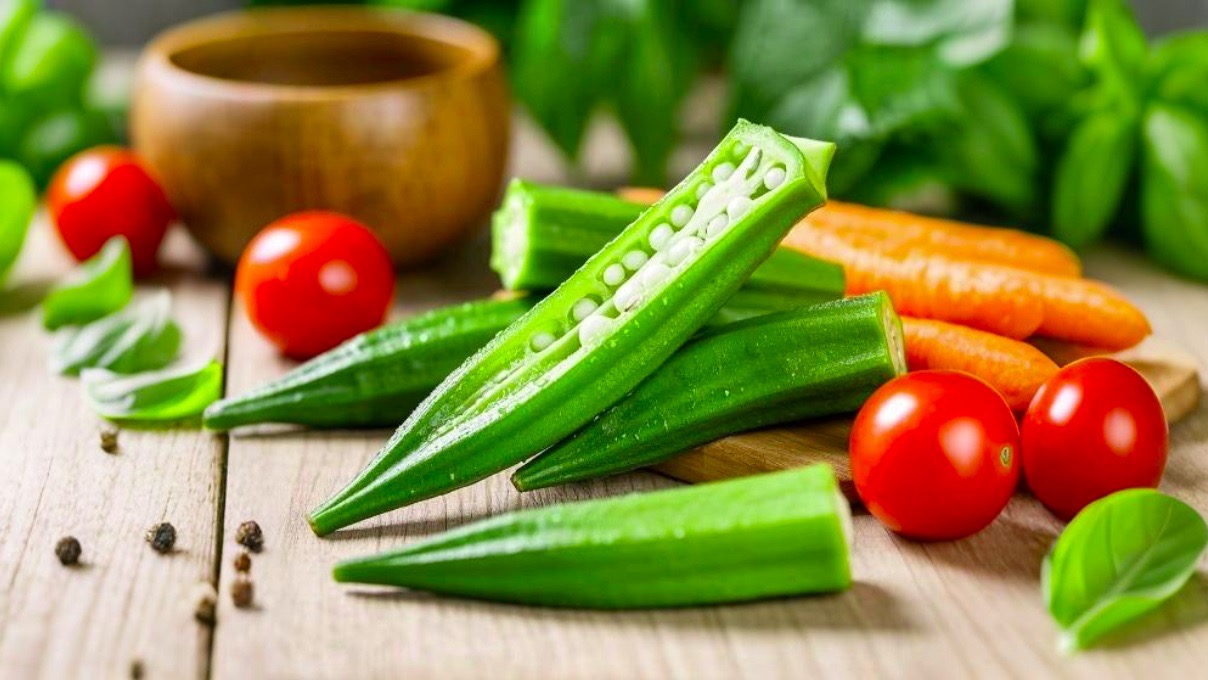
秋葵(学名:Abelmoschus esculentus),又称羊角豆,是一种富含膳食纤维、植物蛋白和维生素的蔬菜。秋葵的果荚嫩滑,略带黏性,适合炒制、蒸煮、煲汤或凉拌食用。
二、秋葵的营养价值
秋葵富含多种对人体有益的营养成分,包括:
1.膳食纤维:促进肠道蠕动,改善消化健康。
2.植物蛋白:提供优质蛋白质,适合作为素食蛋白来源。
3.维生素C:增强免疫力,提高抗氧化能力。
4.叶酸:有助于细胞生长,适合孕期营养需求。
5.镁和钾:帮助调节血压,支持心血管健康。
三、秋葵的健康益处
1.促进消化:富含黏液物质和膳食纤维,有助于润滑肠道,缓解便秘。
2.增强免疫力:维生素C和抗氧化成分提高机体抵抗力。
3.支持心血管健康:钾和镁有助于降低高血压风险。
4.有助于血糖调节:秋葵的低升糖指数(GI)有助于维持血糖稳定。
5.支持孕期健康:叶酸有助于胎儿神经系统发育。
四、秋葵的食用方式
1.清炒:保持嫩滑口感,搭配豆制品或其他蔬菜。
2.凉拌:焯水后拌入调味料,口感爽脆。
3.蒸煮:保持营养,口感更滑嫩。
4.煲汤:与菌菇、豆腐等食材炖煮,营养丰富。
5.烘烤或炸制:可作为健康小吃,风味独特。
五、关于秋葵的小知识
如何挑选优质秋葵?
选择色泽鲜绿、外皮细嫩、长度适中的最佳。
秋葵的黏液有益吗?
是的,黏液含有可溶性纤维,有助于肠道健康。
如何存放秋葵?
需冷藏保存,避免长时间放置导致变老变硬。
总结
秋葵是一种富含膳食纤维、植物蛋白、维生素C和矿物质的营养蔬菜,有助于促进消化、增强免疫力、支持心血管健康,并帮助血糖调节。无论是炒制、凉拌、蒸煮还是煲汤,秋葵都是健康饮食的理想选择。择。
Date: 10/26/2024 10/27/2024
Location: Star Lake Meditation Center
Teacher: Otto Huang
Buddhist Diet and Regimen
Okra
Okra: A Fiber-Rich, Nutrient-Dense Vegetable
1. What is Okra?
Okra (Abelmoschus esculentus), also known as lady’s finger, is a nutrient-rich vegetable packed with fiber, protein, and vitamins. It has a smooth, slightly slimy texture and is commonly used in stir-fries, steamed dishes, soups, and salads.
2. Nutritional Value of Okra
Okra is loaded with essential nutrients, including:
1.Dietary Fiber: Supports digestion and gut health.
2.Plant-Based Protein: A great source of protein for vegetarians.
3.Vitamin C: Enhances immunity and provides antioxidant benefits.
4.Folate: Essential for cell growth, especially important for pregnancy.
5.Magnesium and Potassium: Helps regulate blood pressure and supports heart health.
3. Health Benefits of Okra
1.Aids Digestion: High in fiber and mucilage, which help lubricate the intestines and prevent constipation.
2.Boosts Immunity: Vitamin C and antioxidants help strengthen the immune system.
3.Supports Heart Health: Potassium and magnesium help lower blood pressure.
4.Regulates Blood Sugar: Low glycemic index (GI) helps maintain stable blood sugar levels.
5.Promotes Prenatal Health: Folate supports fetal neural development.
4. Best Ways to Eat Okra
1.Stir-Fried: Lightly sautéed with tofu or other vegetables for a crunchy texture.
2.Served Cold in Salads: Blanched and mixed with dressings for a refreshing dish.
3.Steamed or Boiled: Retains nutrients and offers a smooth texture.
4.Added to Soups: Cooked with mushrooms and tofu for a nourishing broth.
5.Roasted or Fried: Provides a unique and crispy snack option.
5. Interesting Facts About Okra
How to choose the best okra?
Look for bright green, tender, and medium-sized pods.
Is okra’s slimy texture beneficial?
Yes, the mucilage is rich in soluble fiber, aiding digestion.
How should okra be stored?
Keep refrigerated and use within a few days to maintain freshness.
Conclusion
Okra is a highly nutritious vegetable rich in fiber, protein, vitamin C, and minerals. It aids digestion, boosts immunity, supports heart health, and helps regulate blood sugar. Whether stir-fried, steamed, added to soups, or roasted, okra is a delicious and healthy addition to any diet.