时间:12/14/2024 12/15/2024
地点:星湖禅修中心
主讲:净真
佛法知识
阿修罗道的特性
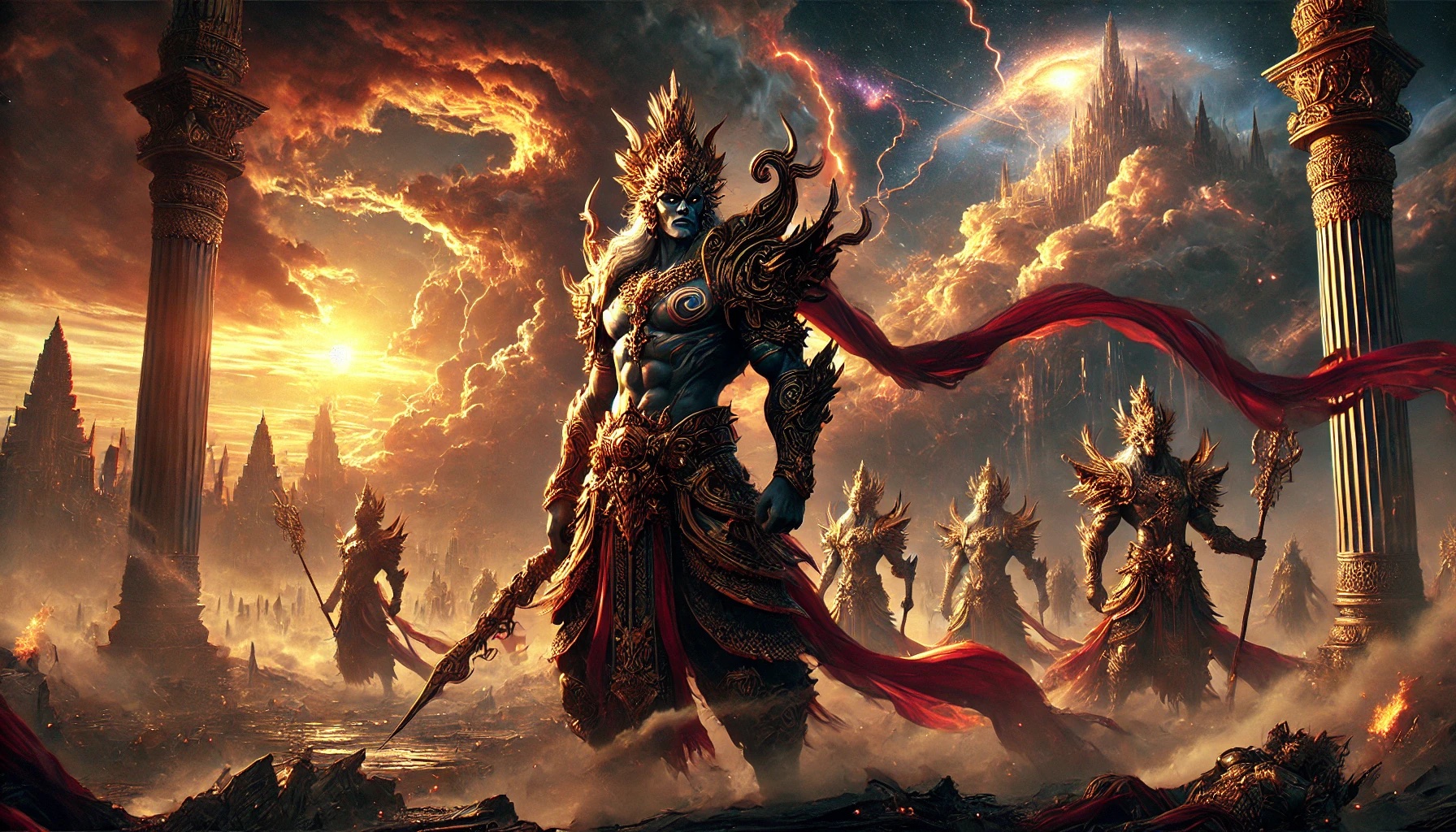
在六道体系中,阿修罗道常被误解为“好斗的神灵世界”或“半神的战场”。这种理解多来自神话化叙事,而非佛法本身的分析框架。若从佛法的立场出发,阿修罗道并不是一个以神秘形象为核心的空间概念,而是一种由特定心理结构与业力模式所决定的存在状态。
阿修罗道的根本特性,可以概括为强烈的自我中心、持续的比较心、深重的不满与高度的对抗性。阿修罗并非缺乏能力,恰恰相反,其特征在于福报、能力与行动力皆不低,但内在结构极不稳定。这种不稳定并非源于贫乏,而是源于对“高下、胜负、尊卑”的执着。
从业力结构看,阿修罗道由两类力量共同推动:一是较强的善业,使其具备地位、力量、寿命或资源;二是未被调伏的嗔恨、嫉妒与我执,使其无法安住于已有条件之中。正因为“拥有”与“不甘”并存,阿修罗道呈现出一种持续紧张的状态。
在认知层面,阿修罗的核心误区在于以比较来确认自我价值。自我并非通过如实观察而确立,而是依赖外在参照:是否高于他人、是否被承认、是否占据优势位置。一旦比较成立,自我暂时稳固;一旦比较失败,内在便迅速失衡。这使得阿修罗始终处于竞争与防御之中。
在情绪结构上,阿修罗以嗔为主导。这里的嗔,并不一定表现为直接的暴怒,更常见的是不服、怨怼、敌意与持续的不平感。即便在顺境中,阿修罗也难以生起真正的满足,因为满足意味着停止比较,而这恰恰会动摇其自我感的支撑方式。
在行为模式上,阿修罗倾向于对抗而非理解,证明而非观察。他们重视力量、胜利与正当性,却很少反思这些目标本身是否值得追求。这种行为并非出于纯粹的恶意,而是出于对自我崩解的恐惧。一旦不再争,便仿佛“不存在”。
佛法将阿修罗道列为“善趣”之一,并非因为其内在安乐,而是因为其仍具备较强的行动力与反思潜能。与地狱、饿鬼相比,阿修罗尚有余力修正方向;但与天道相比,其苦恼更多、更密集、更具内耗性。这是一种“高位不安”的存在状态。
从修行角度看,阿修罗道的问题不在能力不足,而在智慧缺位。其关键障碍不是无力,而是不肯放下对胜负与自我优越的执取。只要比较逻辑仍在运转,苦便无法止息。佛法并不通过压制嗔心解决这一问题,而是通过如实照见:比较本身并不能建立真实的自我。
因此,阿修罗道并非遥远的神话世界,而是人类社会中高度可见的一种心理与行为结构。在权力斗争、名利竞争、道德对立与意识形态冲突中,阿修罗道并非例外状态,而是常态放大。理解阿修罗道的特性,其意义不在于区分“他者”,而在于识别自身何时落入这一结构。
Date: 12/14/2024 12/15/2024
Location: Star Lake Meditation Center
Teacher: Sara
Dharma Knowledge
The Characteristics of the Asura Realm
Within the framework of the six realms, the Asura realm is often misunderstood as a mythological world of warlike demigods. Such interpretations arise from symbolic storytelling rather than from the analytical perspective of the Dharma. From a Buddhist standpoint, the Asura realm is not defined by supernatural imagery, but by a specific configuration of mental patterns and karmic conditions.
The defining characteristics of the Asura realm can be summarized as strong ego-centeredness, constant comparison, deep dissatisfaction, and a pronounced tendency toward conflict. Asuras are not weak or deprived. On the contrary, they often possess power, status, longevity, or resources. Their suffering arises not from lack, but from instability rooted in attachment to superiority, rank, and victory.
Karmically, the Asura realm is driven by a combination of two forces. First, relatively strong wholesome karma grants favorable conditions. Second, unrestrained anger, jealousy, and self-clinging prevent contentment. Because possession and resentment coexist, the Asura state is marked by continuous tension.
At the cognitive level, the central error of the Asura is using comparison to establish identity. The sense of self is not grounded in direct understanding, but in external reference points: being above others, being recognized, or maintaining advantage. When comparison succeeds, the self feels secure; when it fails, instability immediately arises. This locks the Asura into perpetual competition and vigilance.
Emotionally, anger is the dominant tone of the Asura realm. This anger does not always manifest as overt rage. More commonly, it appears as resentment, defiance, hostility, or a persistent sense of unfairness. Even in favorable circumstances, genuine satisfaction is rare, because satisfaction would require the suspension of comparison—and comparison is the very mechanism sustaining the Asura’s sense of self.
Behaviorally, Asuras favor confrontation over understanding, assertion over observation. Power, victory, and justification are prioritized, while reflection on whether these aims are meaningful is largely absent. This pattern does not stem from inherent malice, but from fear: without struggle, the self seems to dissolve.
The Dharma classifies the Asura realm as a “fortunate realm” not because it is peaceful, but because it retains energy, agency, and the capacity for correction. Compared with hell or hungry ghost realms, Asuras still possess the ability to redirect their path. Compared with the heavenly realms, however, their suffering is more frequent, more intense, and more internally corrosive. It is a state of elevated conditions combined with persistent unrest.
From a practical perspective, the problem of the Asura realm is not lack of strength, but lack of wisdom. The primary obstacle is not inability, but unwillingness to relinquish attachment to victory and superiority. As long as the logic of comparison operates, suffering cannot cease. The Dharma does not address this by suppressing anger, but by revealing a deeper insight: comparison cannot establish a real self.
Thus, the Asura realm is not a distant mythological domain, but a readily observable psychological and social pattern. In struggles for power, status, moral dominance, and ideological victory, the Asura realm manifests repeatedly. Understanding its characteristics is not about identifying others, but about recognizing when one’s own mind has entered this structure.