时间:03/30/2024 03/31/2024
地点:星湖禅修中心
主讲:Otto Huang
斋食养生
菠萝
菠萝:富含维生素C的热带水果
一、菠萝是什么?
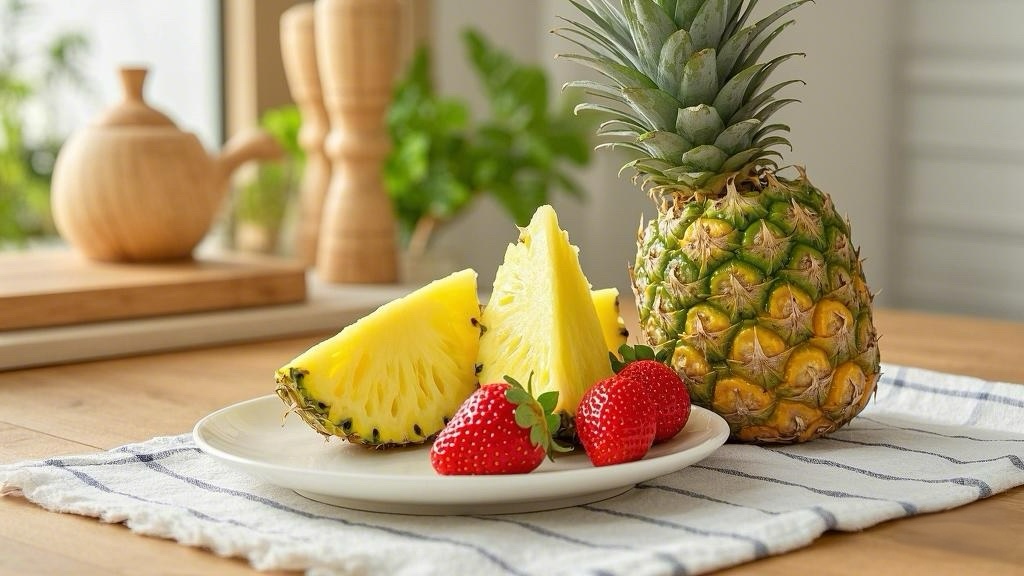
菠萝(学名:Ananas comosus)是一种广受欢迎的热带水果,以其鲜美的酸甜口感和独特的芳香著称。菠萝果肉金黄多汁,适合作为水果、生汁、烹饪配料或制作甜品。除了美味,菠萝还含有丰富的营养,对健康有诸多益处。
二、菠萝的营养价值
菠萝是一种营养密集型水果,富含多种维生素、矿物质和植物化合物,主要营养成分包括:
1.维生素C:增强免疫力,促进胶原蛋白合成,帮助铁的吸收。
2.膳食纤维:促进肠道蠕动,帮助维持消化系统健康。
3.菠萝蛋白酶:有助于分解蛋白质,改善消化功能。
4.钾:维持体内电解质平衡,帮助调节血压。
5.抗氧化物质:富含类黄酮和多酚,有助于减少自由基损伤,保护细胞健康。
三、菠萝的健康益处
1.增强免疫力:维生素C含量高,有助于提高身体抵抗力。
2.促进消化健康:菠萝蛋白酶有助于分解蛋白质,改善胃肠消化。
3.保护心血管健康:钾元素有助于维持血压稳定,减少心血管疾病风险。
4.抗炎和抗氧化:菠萝蛋白酶和多酚类物质有助于减少炎症,保护细胞健康。
5.有助于皮肤健康:维生素C和抗氧化成分有助于减少皮肤氧化损伤,使肌肤更健康。
四、菠萝的食用方式
1.鲜食:直接去皮切块,口感酸甜多汁。
2.榨汁:制成果汁,单独饮用或与其他水果混合。
3.入菜:可用于炒菜、炖汤或搭配米饭,增加风味。
4.制作甜品:用于果冻、果酱或烘焙食品,丰富口感。
5.果干:低温烘干制成果干,成为健康零食。
五、关于菠萝的小知识
如何挑选优质菠萝?
选择果皮金黄、闻起来有淡淡果香、按压略有弹性的菠萝最佳。
菠萝为什么要泡盐水?
菠萝含有草酸和菠萝蛋白酶,泡盐水可减少涩味,提高口感。
如何存放菠萝?
未削皮的菠萝可在室温下存放几天,切块后应冷藏保存,并尽快食用。
总结
菠萝是一种富含维生素C、膳食纤维、菠萝蛋白酶和抗氧化物质的热带水果,有助于增强免疫力、促进消化、保护心血管健康和改善皮肤状态。无论是鲜食、榨汁、入菜还是制成果干,菠萝都是健康饮食的理想选择。
Date: 03/30/2024 03/31/2024
Location: Star Lake Meditation Center
Teacher: Otto Huang
Buddhist Diet and Regimen
Pineapple
Pineapple: A Vitamin C-Rich Tropical Fruit
1. What is Pineapple?
Pineapple (Ananas comosus) is a popular tropical fruit known for its sweet and tangy flavor and distinctive aroma. Its golden, juicy flesh makes it perfect for eating fresh, juicing, cooking, or using in desserts. Besides being delicious, pineapple is packed with nutrients and offers numerous health benefits.
2. Nutritional Value of Pineapple
Pineapple is a nutrient-dense fruit rich in vitamins, minerals, and plant compounds, including:
1.Vitamin C: Supports immune function, promotes collagen production, and enhances iron absorption.
2.Dietary Fiber: Aids digestion and promotes gut health.
3.Bromelain: Helps break down proteins and improves digestion.
4.Potassium: Helps regulate electrolyte balance and supports heart health.
5.Antioxidants: Contains flavonoids and polyphenols that protect cells from oxidative damage.
3. Health Benefits of Pineapple
1.Boosts Immunity: High in vitamin C, which strengthens the body’s defense system.
2.Aids Digestive Health: Bromelain helps break down proteins and supports gut function.
3.Supports Heart Health: Potassium helps maintain stable blood pressure and reduce cardiovascular risks.
4.Anti-Inflammatory and Antioxidant Effects: Bromelain and polyphenols help reduce inflammation and protect cells.
5.Promotes Skin Health: Vitamin C and antioxidants help combat oxidative stress for healthier skin.
4. Best Ways to Eat Pineapple
1.Fresh and Raw: Peeled and sliced for a naturally sweet and tangy treat.
2.Juiced: Blended into fresh juice, either alone or mixed with other fruits.
3.Used in Cooking: Adds flavor to stir-fries, soups, or rice dishes.
4.Made into Desserts: Used in jellies, jams, and baked goods for a tropical twist.
5.Dried as a Snack: Dehydrated into pineapple chips for a healthy, portable treat.
5. Interesting Facts About Pineapple
How to choose the best pineapple?
Look for golden skin, a fragrant aroma, and slight firmness when pressed.
Why is pineapple soaked in salt water before eating?
Pineapple contains oxalic acid and bromelain, which can cause astringency; soaking in salt water helps reduce this effect and enhances sweetness.
How should pineapple be stored?
Whole pineapples can be stored at room temperature for a few days, while cut pieces should be refrigerated and consumed quickly.
Conclusion
Pineapple is a vitamin C-rich tropical fruit packed with fiber, bromelain, and antioxidants. It boosts immunity, aids digestion, supports heart health, and enhances skin vitality. Whether eaten fresh, juiced, cooked, or dried, pineapple is a delicious and nutritious addition to any diet.