时间:12/13/2025 12/14/2025
地点:星湖禅修中心
主讲:龙示林
打坐参禅
情绪在深层禅修中的呈现
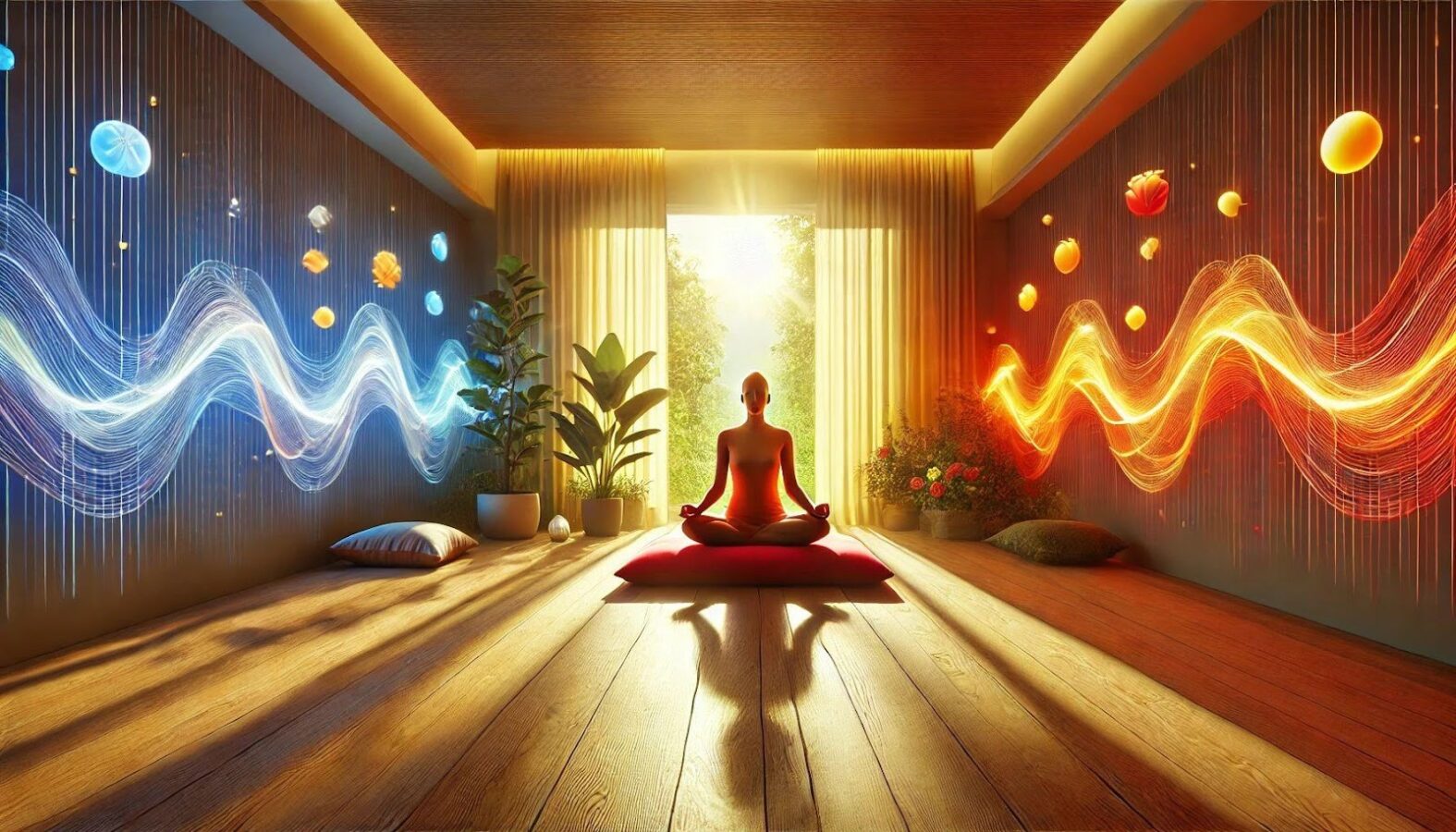
在禅修的初期,情绪似乎只是干扰;但当禅修进入更深层次时,情绪不再是“障碍”,而是心底沉积的内容浮现,是觉察的对象,是解脱的重要入口。深层禅修之所以强大,是因为它让潜藏已久的情绪——愤怒、悲伤、恐惧、孤独、羞耻、焦虑——得以被看见、被理解、被化解。
一、为何情绪会在深层禅修中浮现:心静故能见深层结构
1. 心静时,意识的底层内容浮现
平常被压抑的情绪会趁静止之际冒出。
2. 情绪本来就在,只是被忽略
禅修让我们第一次真正看见自己的情绪。
3. 心越稳,越能承载深层情绪
因此,情绪浮现往往是修行进步的象征。
二、深层禅修中常出现的情绪类型:旧伤、恐惧与未解经验
1. 过去未处理的情绪
被压抑的愤怒、遗憾、委屈会自然出现。
2. 生存性的恐惧
深层静坐时会触到“无常”与“空”,恐惧自然生起。
3. 孤独与空虚感
这并非退步,而是“我”的薄膜在松动。
三、情绪不是敌人:它是觉知的教材
1. 情绪提供心的“真实数据”
它告诉你心正在什么地方卡住。
2. 情绪是觉察的对象
不是压制的东西。
3. 情绪是解脱的入口
觉知越清晰,情绪束缚越松。
四、深层禅修面对情绪的三个核心原则
1. 不抵抗
抵抗让情绪更强。
2. 不跟随
跟随会让你陷入情绪的故事。
3. 不压抑
压抑会让情绪在未来更强烈出现。
五、如何在禅修中处理情绪:觉知是最有效的方法
1. 观察身体的反应
胸口紧、胃部绞、喉咙堵——这些都是通往情绪的路径。
2. 不贴标签
不要说“我很难过”,只觉察难过的感觉。
3. 允许它存在
让情绪像波浪一样自然起落。
六、深层情绪的释放过程:从紧绷到松动,从压抑到透明
1. 起:情绪出现
你开始觉察它。
2. 住:情绪停留
它在身心里短暂驻足。
3. 异:情绪转变
从紧绷到松动。
4. 灭:情绪淡化甚至消失
觉知越稳定,释放越自然。
七、为何情绪释放后,心会变得更轻、更亮
1. 不再被旧情绪牵制
心的负担自然减轻。
2. 觉知力量增强
心更稳定、更清晰。
3. 智慧生起
因为看清了情绪的本质而非被其控制。
八、深层禅修中的情绪并非退步,而是重要突破
1. 情绪浮现说明心更敏锐
说明觉知变强。
2. 处理情绪是修行的重要部分
不是需要躲避的阶段。
3. 透过情绪见“无我”
情绪是现象,不是“我”。
总结
情绪在深层禅修中出现,不是障碍,而是契机。每一个情绪都是修行的教材,是通往更深层觉醒的必经道路。当心不再抗拒、不再压抑、不再追随情绪时,情绪自然流动、自然释放;而觉知在流动中越来越强,智慧在透明中越来越明亮。
Date: 12/13/2025 12/14/2025
Location: Star Lake Meditation Center
Teacher: Shilin Long
Sitting Meditation
The Appearance of Emotions in Deep Meditation
In early meditation, emotions may feel like disruptions.But in deeper practice, emotions become important teachers.They are the surfacing of long-buried material, the unveiling of unconscious layers, and essential opportunities for insight. Deep meditation reveals emotional patterns that normally remain hidden beneath daily distractions.
1. Why Emotions Surface in Deep Meditation
1. Stillness allows deeper content to arise
Silence gives old feelings room to appear.
2. Emotions were always present
Meditation makes them visible for the first time.
3. A stable mind can hold deeper emotions
Emotional surfacing often signals genuine progress.
2. Types of Emotions That Commonly Arise
1. Unresolved past emotions
Old anger, regret, sadness, and hurt.
2. Existential fear
Fear triggered by touching impermanence and emptiness.
3. Loneliness and emptiness
Not regression, but signs of loosening ego-identity.
3. Emotions Are Not the Enemy: They Are Teachers
1. Emotions reveal inner patterns
They show where the mind is stuck.
2. Emotions are objects of awareness
Not enemies to suppress.
3. Emotions are gateways to liberation
Awareness dissolves emotional grip.
4. Three Core Principles for Handling Emotions in Meditation
1. Do not resist
Resistance strengthens emotions.
2. Do not follow
Following leads into emotional narratives.
3. Do not suppress
Suppression delays future release.
5. How to Work With Emotions: Awareness Is the Key
1. Observe bodily responses
Tight chest, knotted stomach, trembling hands.
2. Drop labels
Not “I am sad,” but “sadness is present.”
3. Allow emotions to exist
Let them rise and fall naturally.
6. The Process of Emotional Release
1. Arising
The emotion reveals itself.
2. Staying
It lingers for a short period.
3. Changing
It begins to soften and transform.
4. Dissolving
It fades naturally with steady awareness.
7. The Benefits After Emotional Release
1. Reduced emotional burden
Less carried weight.
2. Strengthened awareness
The mind becomes clearer.
3. Insight emerges
Understanding the nature of emotions brings wisdom.
8. Emotional Surfacing Is Not Regression but Breakthrough
1. Indicates higher sensitivity
Awareness becomes more refined.
2. Emotional processing is part of deep practice
Essential, not optional.
3. Leads to insight into no-self
Emotions are events, not identity.
Conclusion
Emotions in deep meditation are not obstacles but gateways.Each emotion is a teacher, an opportunity to deepen awareness and release old patterns.When the mind stops resisting and simply observes,emotions move through naturally,awareness expands,and wisdom shines more clearly.