时间:05/31/2025 06/01/2025
地点:星湖禅修中心
主讲:龙示林
斋食养生
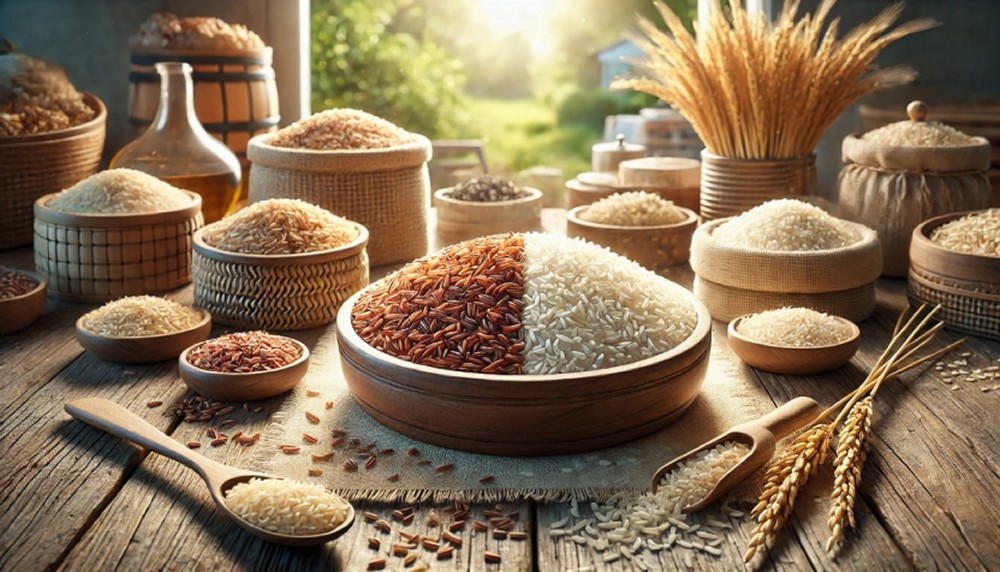
糙米与白米的营养对比
简介
糙米与白米同为常见主食,但因加工方式不同,其营养价值存在显著差异。糙米保留了米糠层和胚芽,营养更为丰富;而白米经过精制,虽然口感更佳,但部分营养成分被去除。本文将从营养组成、健康功效、适宜人群等方面,深入对比糙米与白米,帮助读者根据自身需求做出更科学的选择。
一、营养成分对比
1.膳食纤维:
糙米:膳食纤维含量高,有助于肠道蠕动、控制血糖、增加饱腹感。
白米:膳食纤维少,饱腹感较低,对血糖波动影响较大。
2.维生素与矿物质:
糙米:富含维生素B1、B3、B6、镁、铁、锌等,对神经系统和代谢有益。
白米:大部分B族维生素和矿物质在加工过程中被去除。
3.植物化合物与抗氧化物:
糙米:保留多酚、γ-谷维素等抗氧化成分,有助于抗老化、抗炎症。
白米:抗氧化活性显著降低。
4.热量与口感:
糙米:热量略低,质地较硬,口感较粗糙,需更长时间烹煮。
白米:热量略高,质地柔软,易消化,适合多数人食用。
二、健康功效对比
1.血糖控制:糙米升糖指数(GI)较低,适合糖尿病及胰岛素抵抗人群;白米GI高,易引起血糖快速上升。
2.心血管健康:糙米中富含镁与膳食纤维,有助于降低胆固醇和心脏病风险。
3.体重管理:糙米高纤维、易产生饱腹感,有助于控制饮食量;白米易过量摄取。
4.消化系统:白米易消化,适合病后恢复与肠胃虚弱者;糙米虽富含纤维,但不适合严重胃肠道疾病人群。
三、适宜人群建议
糙米适合:健康成年人、减重者、糖尿病患者、便秘人群。
白米适合:儿童、老年人、消化功能差者、恢复期患者。
四、搭配建议与食用方式
可将糙米与白米按比例混合(如1:1)煮食,兼顾营养与口感。
搭配豆类、坚果、蔬菜可提升整体营养均衡性。
糙米建议充分浸泡后烹煮,以改善口感与消化性。
Date: 05/31/2025 06/01/2025
Location: Star Lake Meditation Center
Teacher: Shilin Long
Buddhist Diet and Regimen
Nutritional Comparison Between Brown Rice and White Rice
Summary
Brown rice and white rice are both staple grains, but they differ significantly in nutritional value due to differences in processing. Brown rice retains its bran and germ layers, offering more nutrients, while white rice is refined for better texture but loses key vitamins and minerals. This article compares their nutritional content, health benefits, and suitable populations to help readers make more informed dietary choices.
1. Nutritional Content Comparison
1.Dietary Fiber:
Brown Rice: High in fiber, aiding digestion, blood sugar control, and satiety.
White Rice: Low in fiber, less filling, with a higher impact on blood sugar.
2.Vitamins and Minerals:
Brown Rice: Rich in B vitamins (B1, B3, B6), magnesium, iron, and zinc—supporting metabolism and the nervous system.
White Rice: Lacks many of these nutrients due to milling and polishing.
3.Phytonutrients and Antioxidants:
Brown Rice: Contains polyphenols and γ-oryzanol, which have anti-aging and anti-inflammatory properties.
White Rice: Significantly reduced antioxidant activity.
4.Calories and Texture:
Brown Rice: Slightly lower in calories, denser, chewier, and requires longer cooking time.
White Rice: Slightly higher in calories, softer, easier to digest.
2. Health Benefit Comparison
1.Blood Sugar Regulation: Brown rice has a lower glycemic index (GI), making it suitable for diabetics and insulin-sensitive individuals; white rice has a high GI and raises blood sugar quickly.
2.Cardiovascular Health: Brown rice’s magnesium and fiber content help reduce cholesterol and heart disease risk.
3.Weight Management: Brown rice promotes fullness and helps limit overeating; white rice may contribute to overconsumption.
4.Digestive Support: White rice is easy to digest, ideal for recovery or those with weak digestion; brown rice may not suit individuals with gastrointestinal issues.
3. Suitable Populations
Brown Rice: Best for healthy adults, weight-watchers, diabetics, and those with constipation.
White Rice: Suitable for children, the elderly, those with poor digestion, or recovering from illness.
4. Preparation Tips and Pairing Suggestions
Mix brown and white rice (e.g., 1:1 ratio) for a balance of nutrition and taste.
Pair with legumes, nuts, and vegetables to enhance nutrient density.
Soak brown rice before cooking to improve its texture and digestibility.